Silence Is Not Neutral
There is a comforting myth many of us cling to in times of mass violence, that silence is safety, that saying nothing keeps our hands clean. It doesn’t. Silence has never been neutral, and it has never protected the vulnerable. It has only always protected power.
I understand the fear. Being called antisemitic is devastating, especially when you know that you are not. Antisemitism is real, violent, and deadly. It has shaped history through pogroms, expulsions, and the Holocaust. No one with a conscience should dismiss or minimize that reality.
But the fear of being mischaracterised cannot become an excuse for moral paralysis while an entire population is being slaughtered.
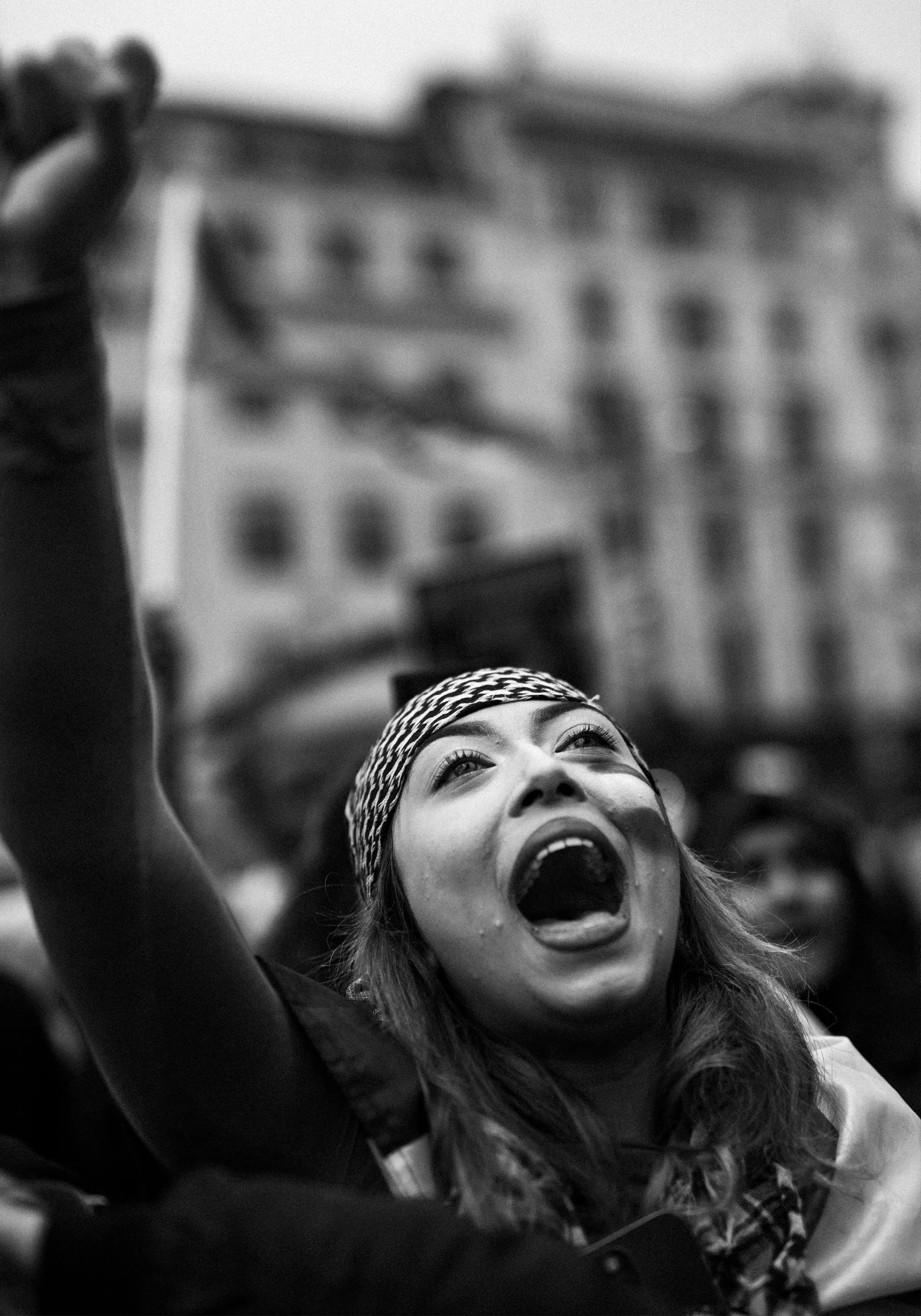
When bombs fall, when children are pulled from rubble, when entire neighborhoods are erased, choosing to say nothing is a decision. It is a decision to prioritise personal comfort over human life. It is a decision to let dominant narratives go unchallenged. And it is a decision that those in power depend on. Power does not require universal support to function. It just requires enough silence.
History shows us this again and again. Atrocities are not carried out only by monsters; they are enabled by ordinary people who look away, who wait for “perfect information,” who tell themselves it is “too complicated,” or who fear social consequences more than moral ones.
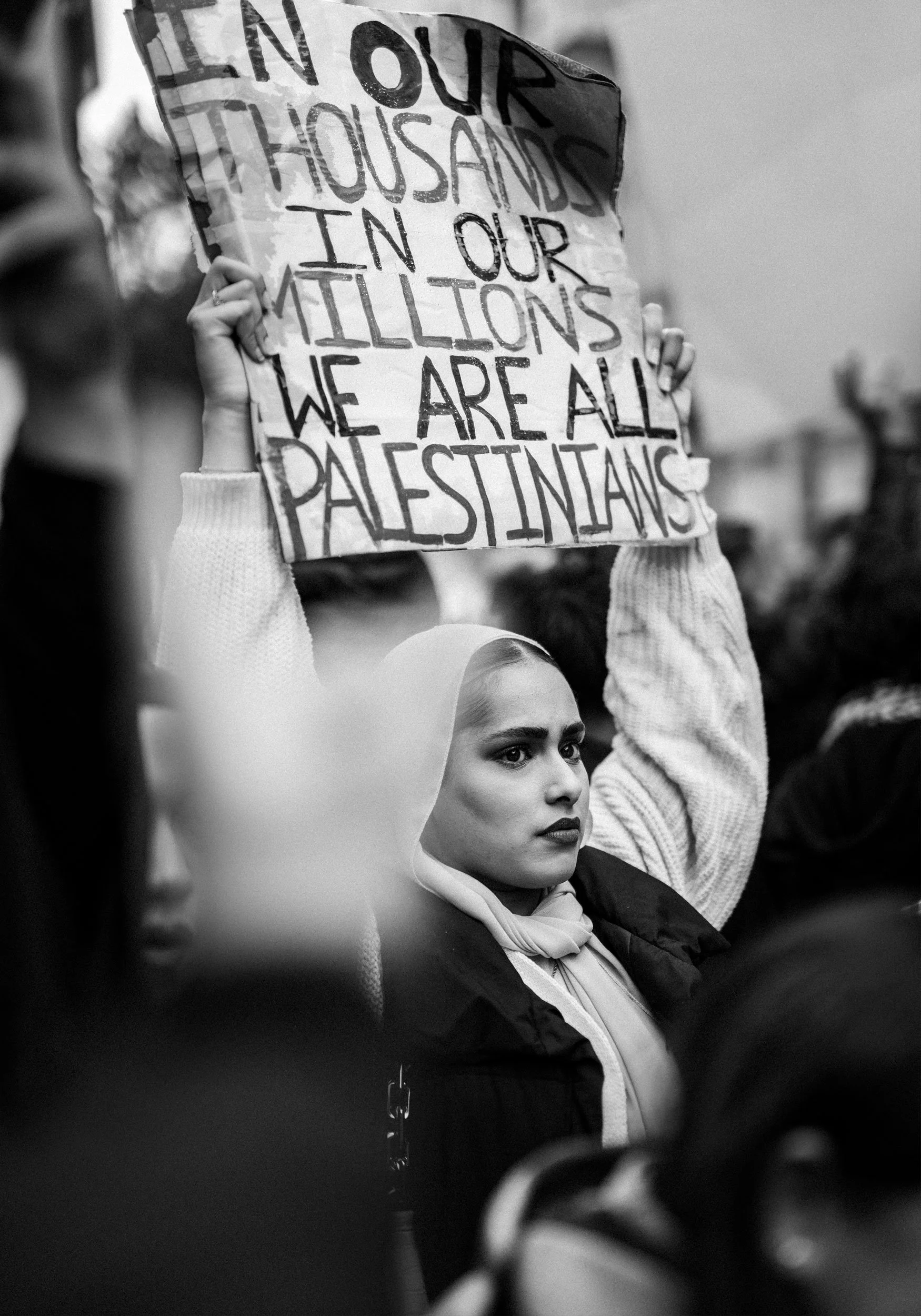
The widespread silence on Gaza is not accidental. It is manufactured.
People are taught that speaking out will cost them their jobs, their reputations, their friendships. That they will be smeared, misunderstood, or permanently labeled. And so many comply, not because they believe the violence is justified, but because they are afraid.
That fear proves something uncomfortable and that is how easily many of us can be controlled.
If a threat to your social standing is enough to make you ignore mass death, then the problem is not complexity, it is cowardice. And that same fear has been used throughout history to ensure that ordinary people remain quiet while extraordinary crimes are committed.
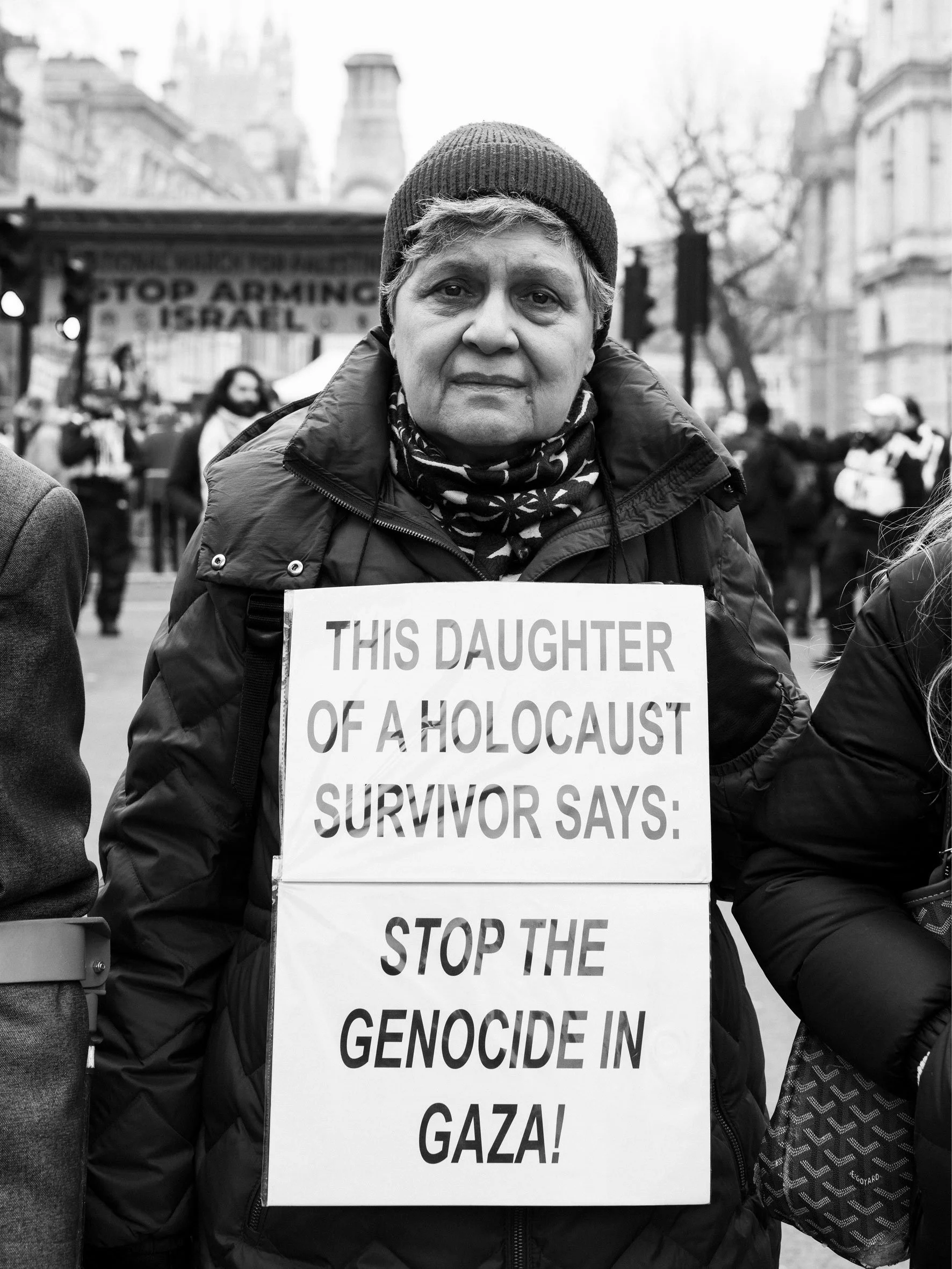
Many people like to believe they would have resisted past atrocities, that they would have hidden Jews during the Holocaust, that they would have opposed apartheid, that they would have marched for civil rights. I say bullshit. Because history is not judged by hypothetical courage. It is judged by actual behavior.
If you are silent now, when the evidence is overwhelming, when the suffering is visible in real time, when the victims are begging the world to see them, then you are demonstrating exactly how easily you could have been silent before. Not because you are evil, but because you have chosen personal safety over justice.
That is a hard truth. But it is a necessary one.
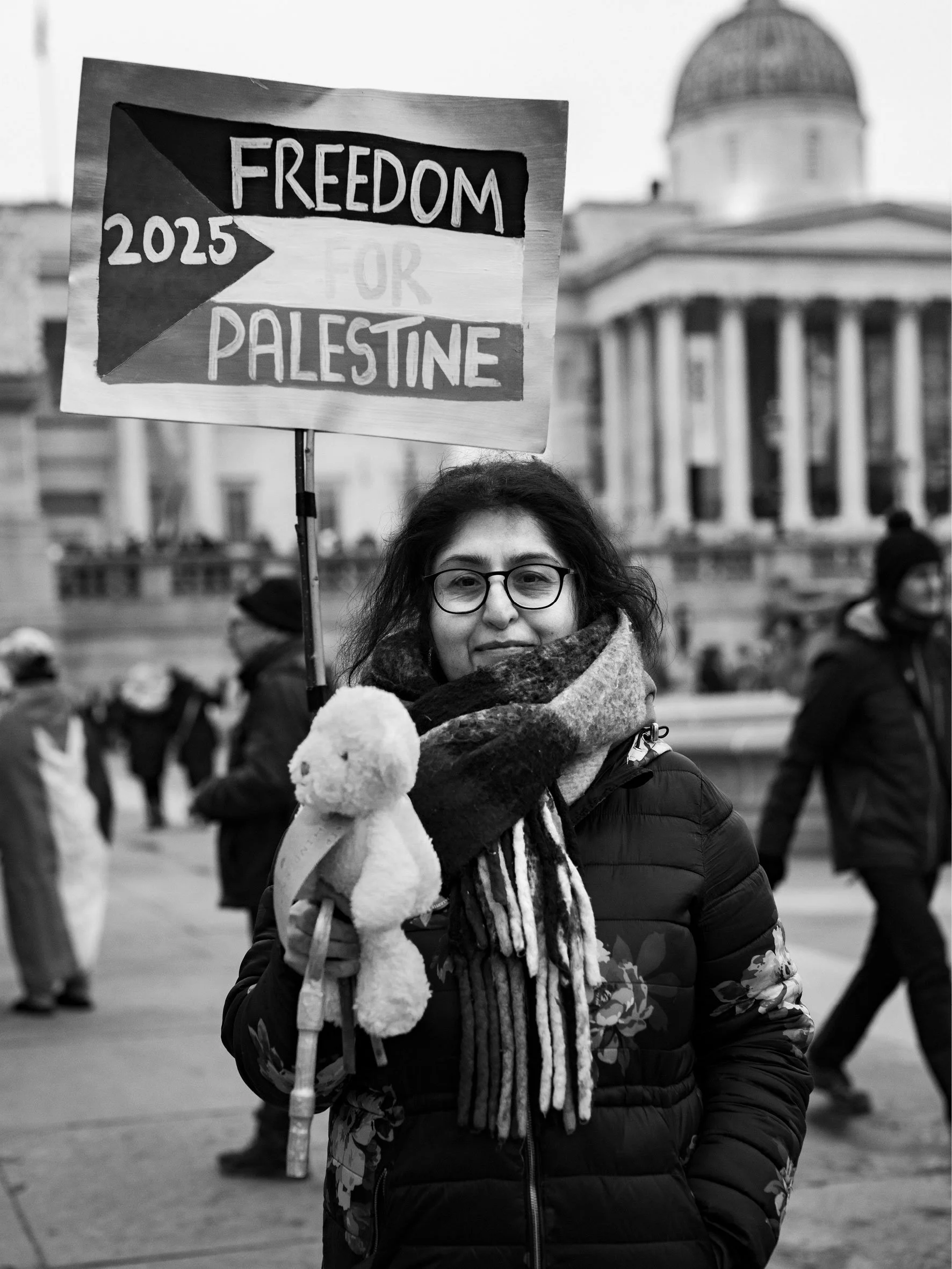
This must be said clearly and without apology: opposing the actions of the Israeli state is not the same as hating Jewish people. Judaism is not a government. Jewish identity is not a military campaign. Conflating the two does not protect Jews, it endangers them by weaponising antisemitism as a shield for state violence.
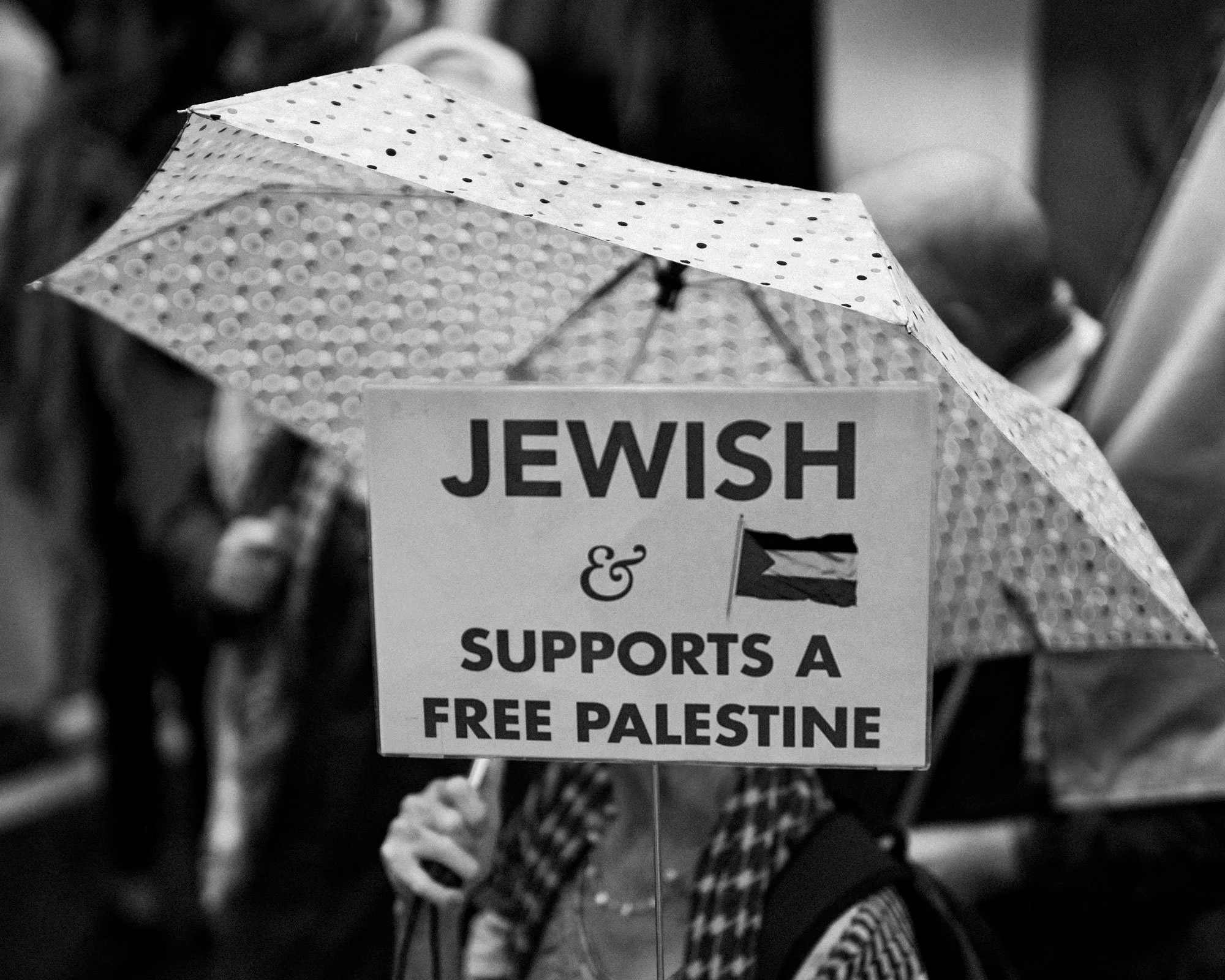
Many Jewish people around the world are speaking out against what is happening in Gaza, precisely because their history teaches them the cost of silence. Listening to them matters.
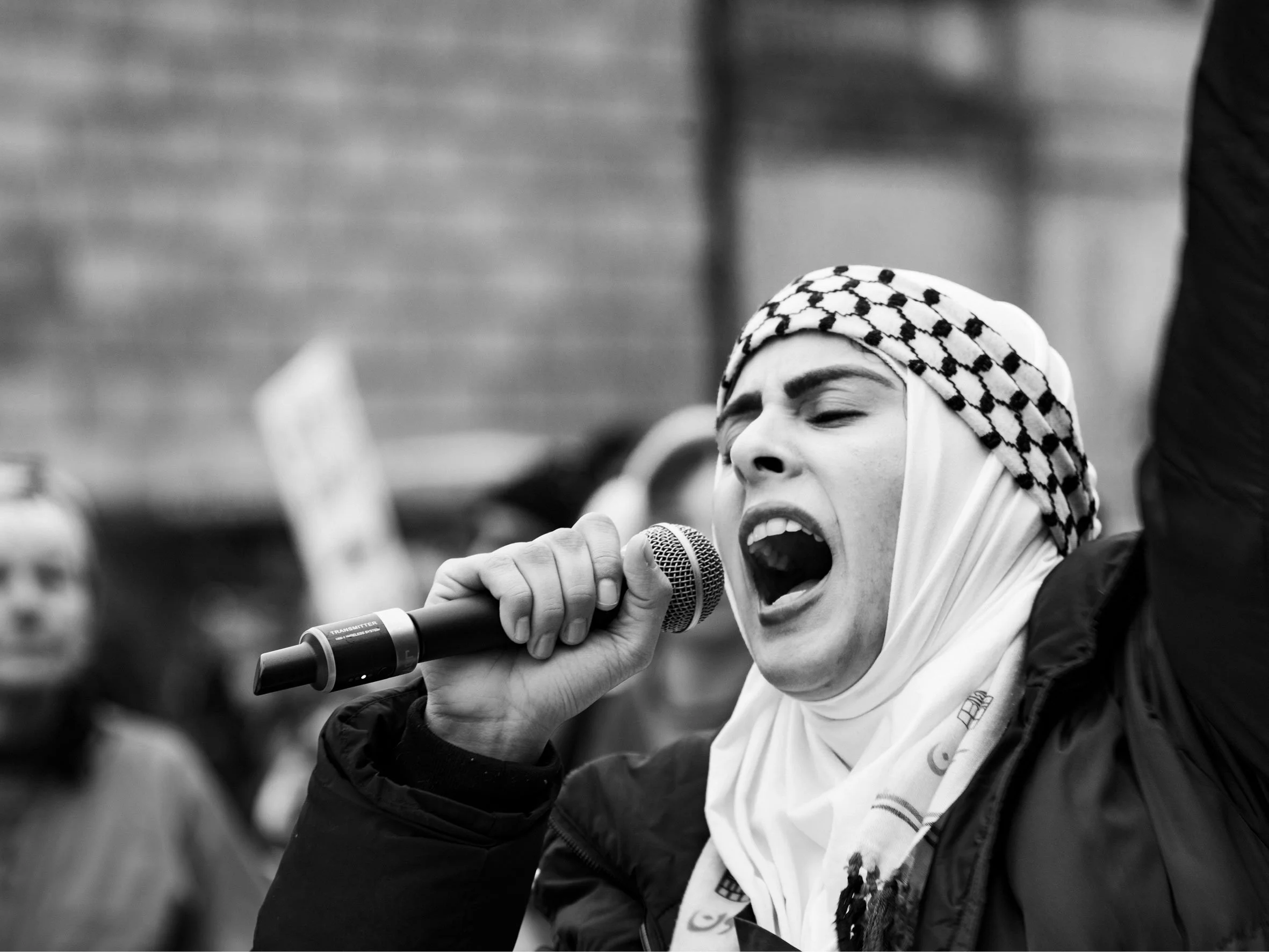
Silence does not protect Jewish people. It does not protect Palestinians. It does not protect peace.It protects: governments from accountability, corporations from scrutiny, media narratives, especially state media, from challenge, and it protects individuals from discomfort
And while you remain silent, the death toll rises.
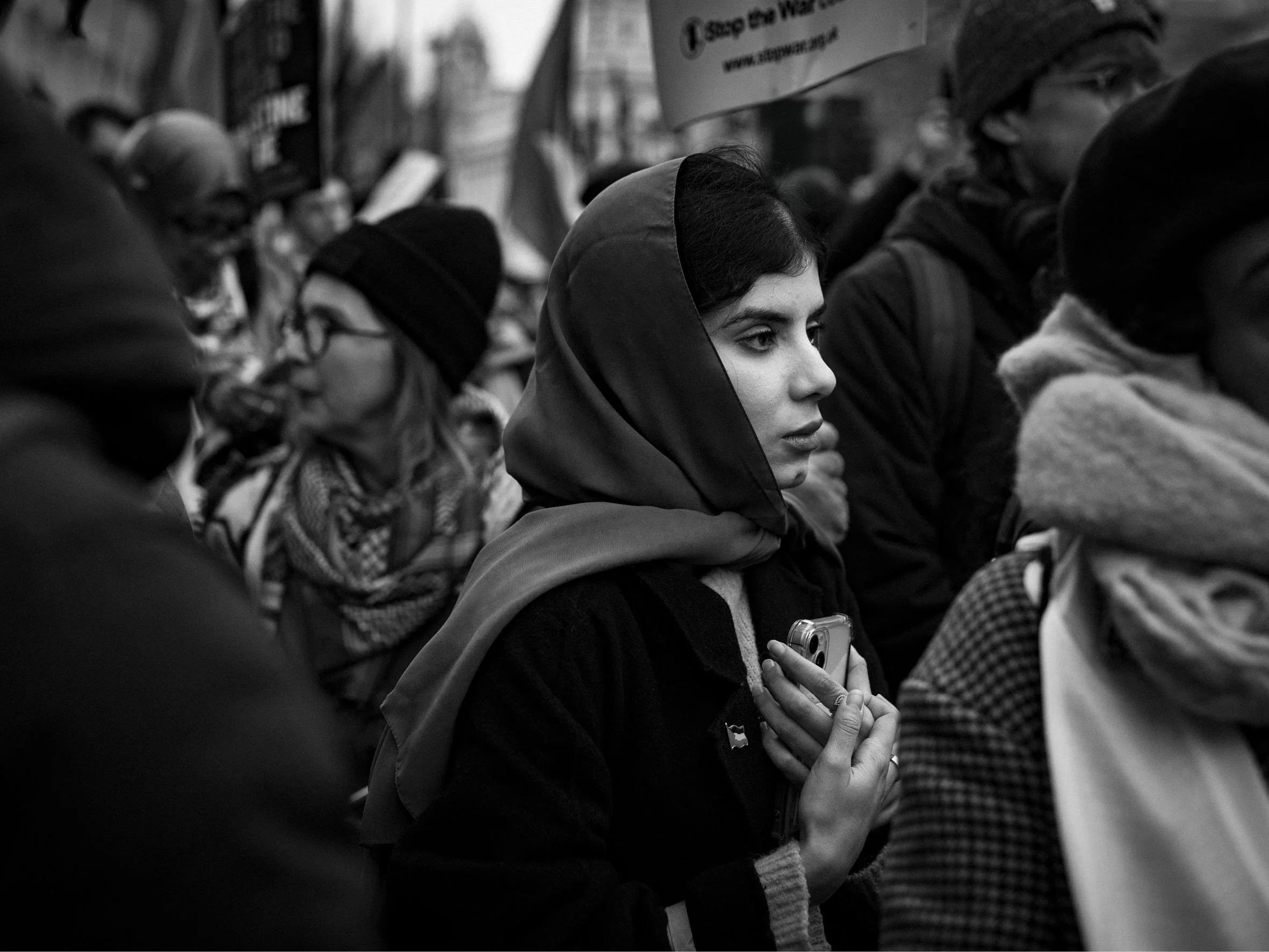
Speaking out does not require perfection. You may make mistakes. You may be misunderstood. You may be criticised. But none of that compares to the permanent silence imposed on those who are being killed. Moral clarity has never been popular in its own time. It has always been inconvenient, risky, and uncomfortable.
The question is not whether you will be judged for speaking. The question is how history will judge you for staying quiet.
Because silence, in the face of genocide, is not neutrality. It is complicity.