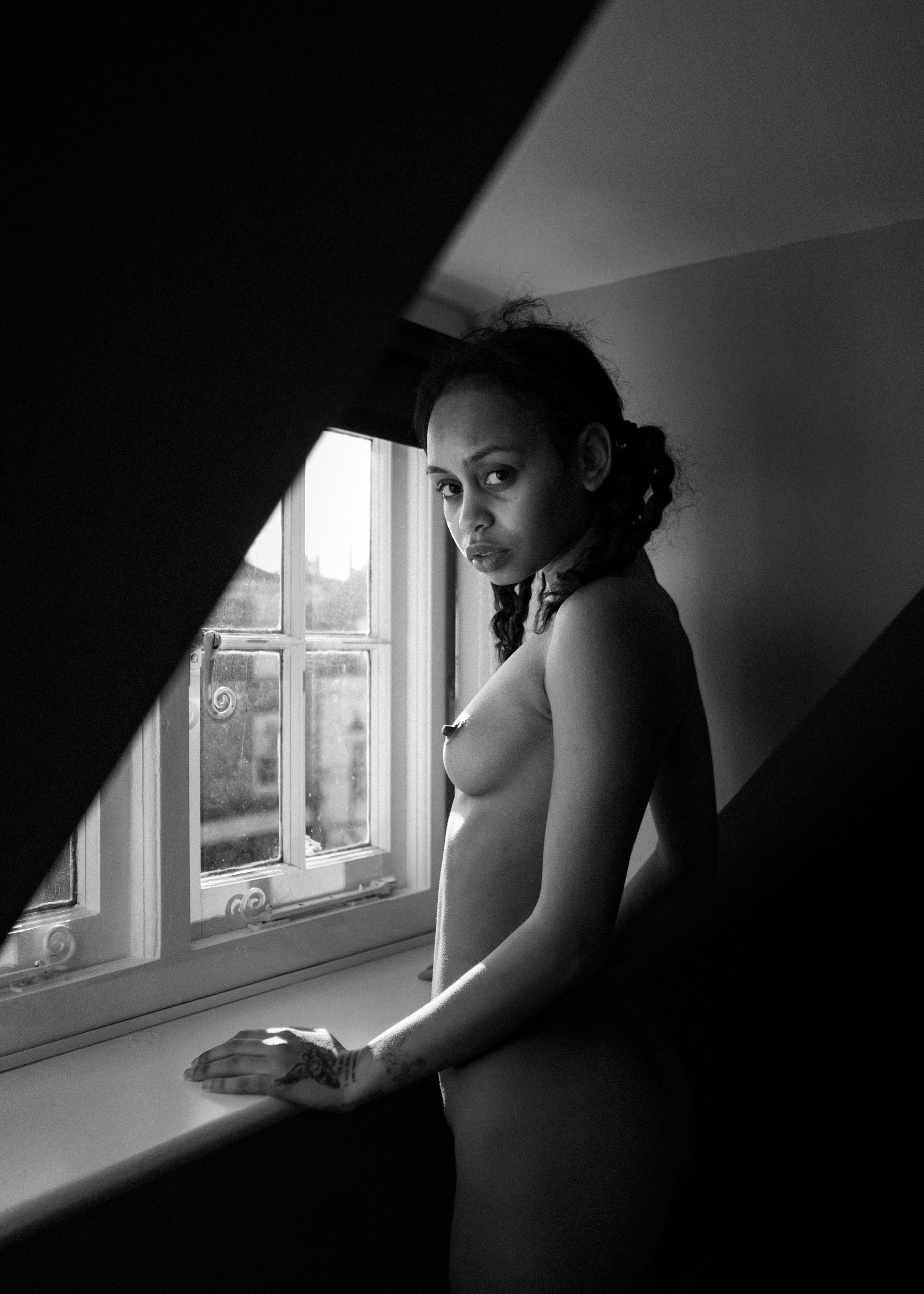
Energizer Bunny
This shoot with Bunny took place over four hours at my old home in Faversham town centre, a space I’ve worked in a few times before and one I always enjoy returning to.
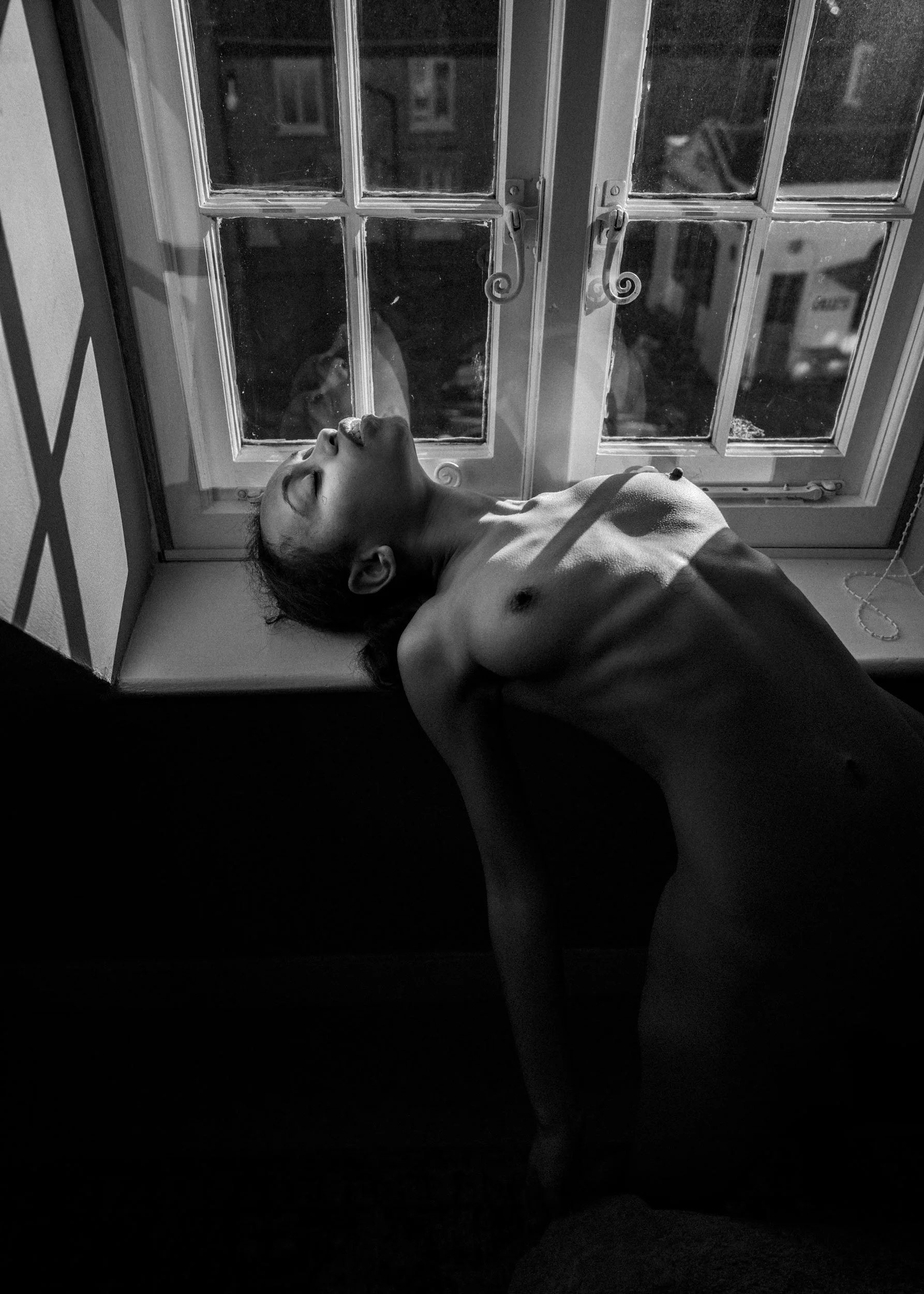
This shoot with Bunny took place over four hours at my old home in Faversham town centre, a space I’ve worked in a few times before and one I always enjoy returning to.
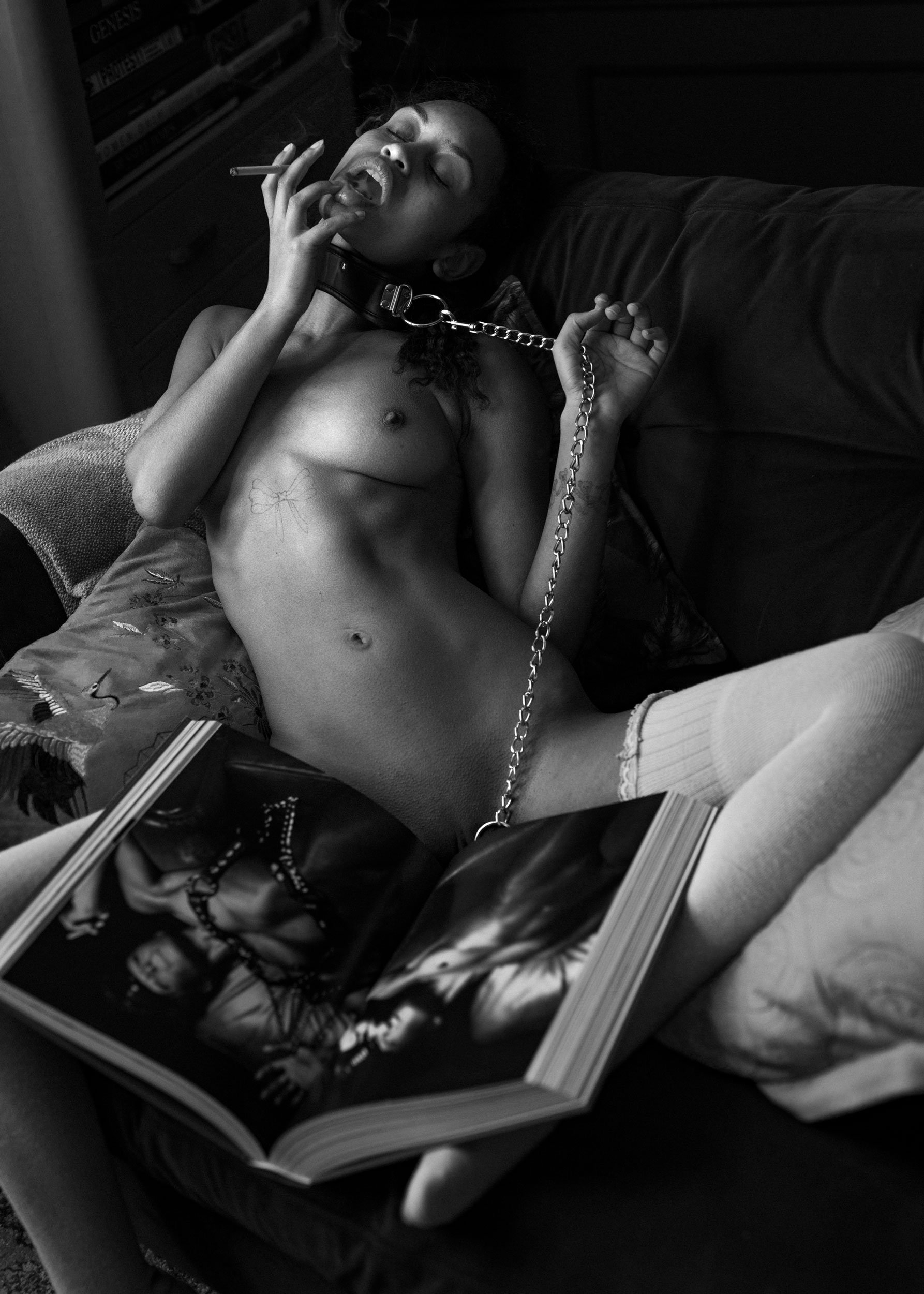
It’s a challenging environment: small rooms, dark walls, low ceilings. But when the light is right, it transforms completely. On this day, the sun was flawless, pouring through the space and turning those constraints into something special.
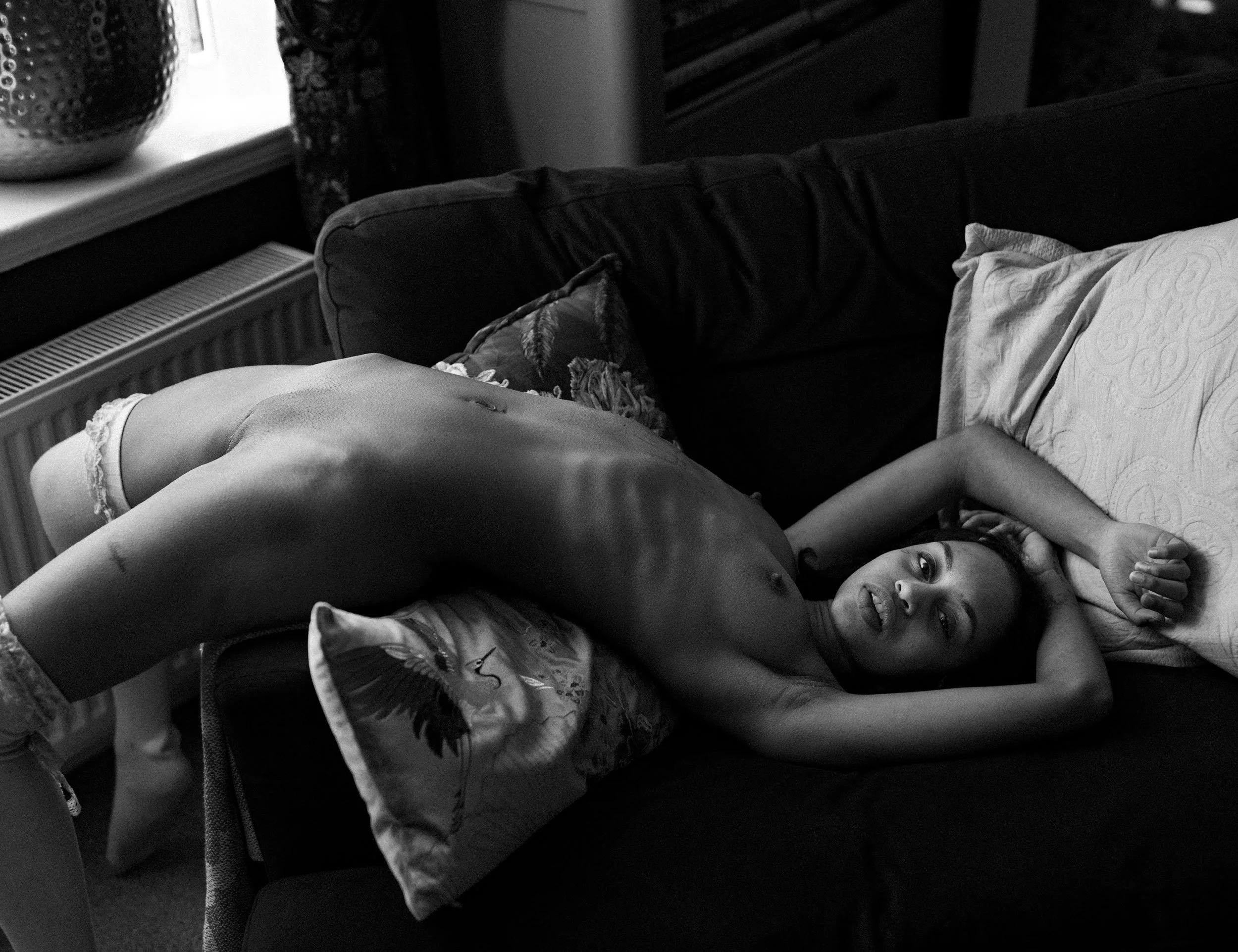
Bunny is a model I’ve wanted to work with for a long time, and I’m so glad our paths finally crossed for this session. From the moment we started, the energy was effortless. The shoot was nude, expressive, and unapologetically creative.
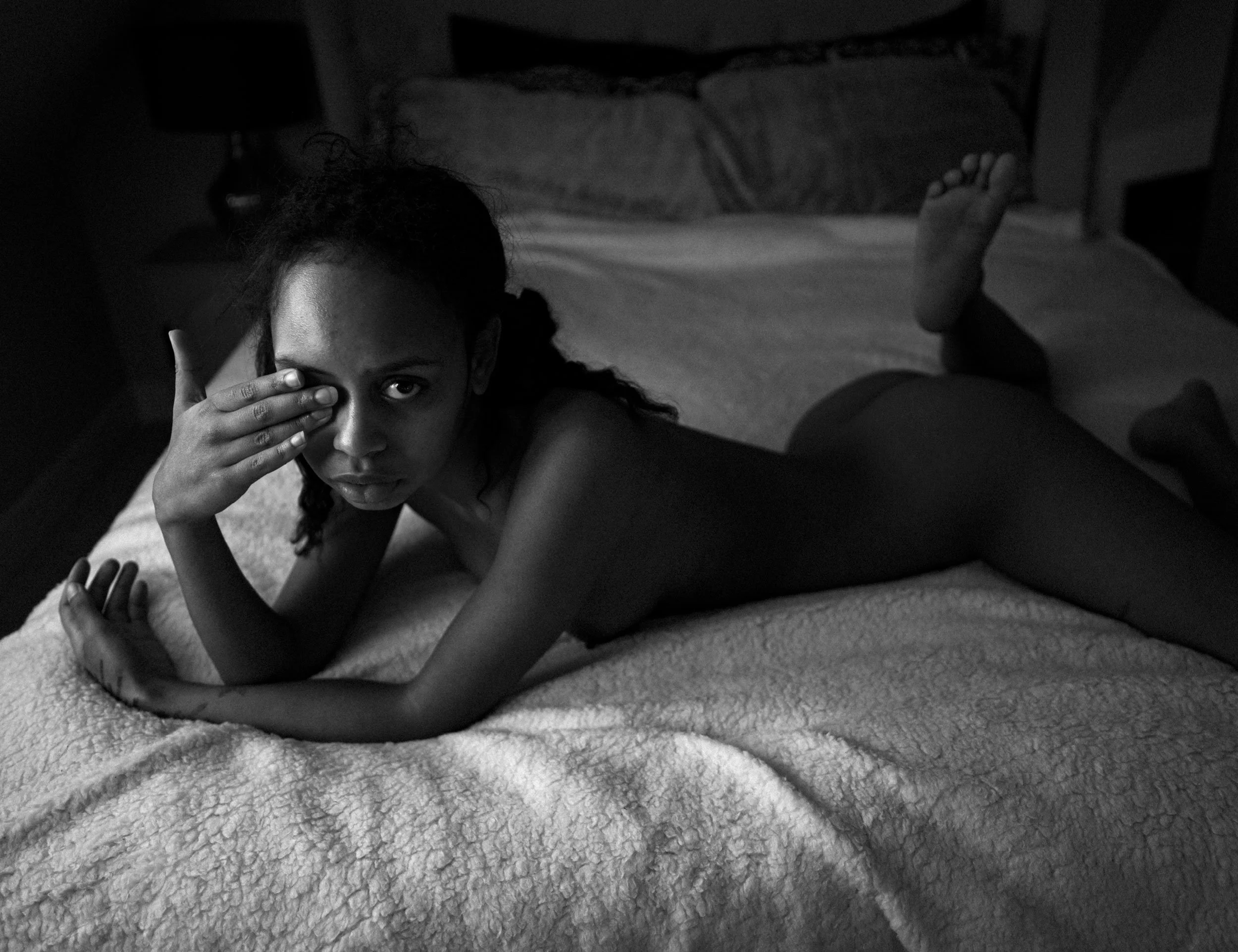
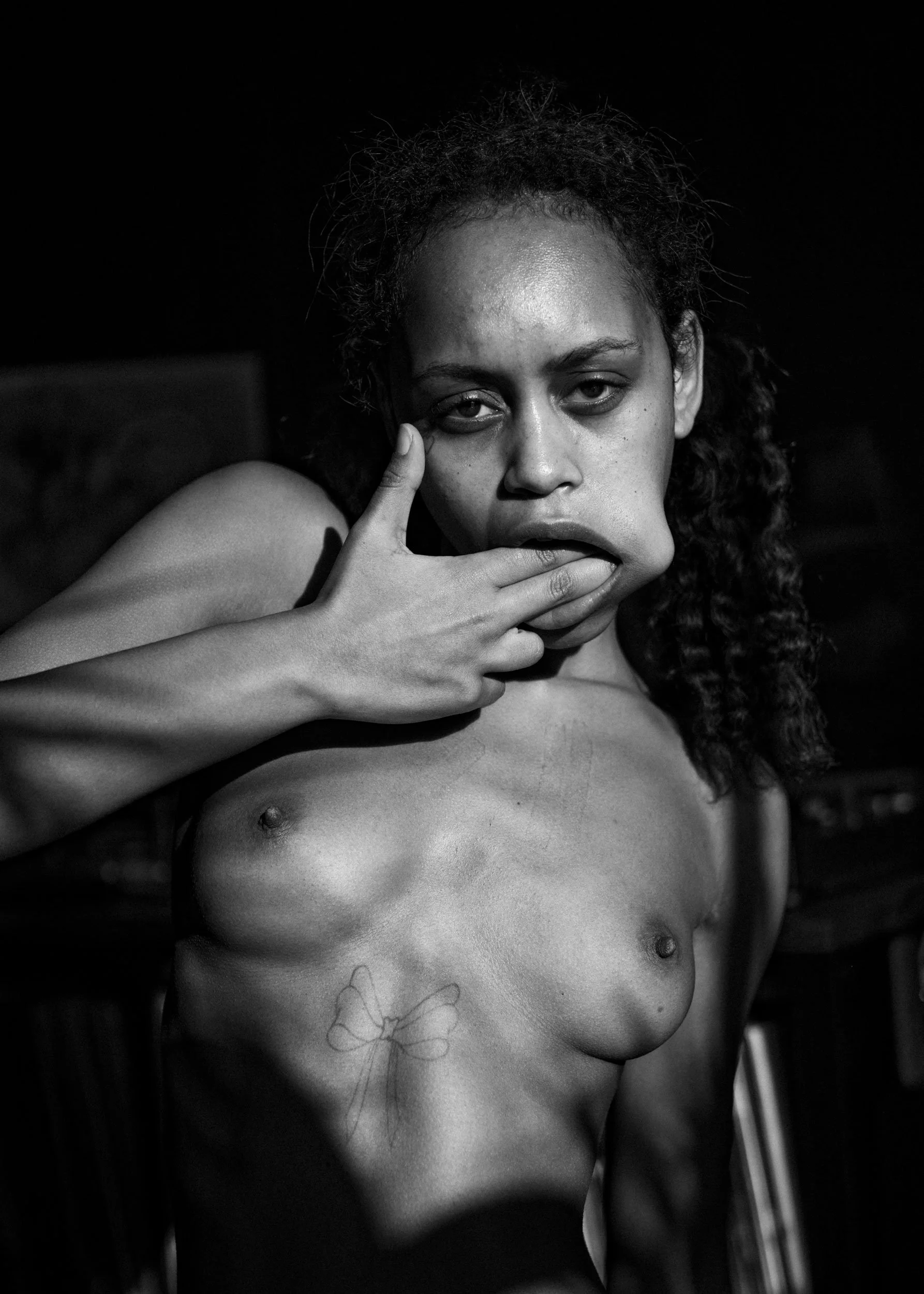
Bunny never stopped moving, constantly arching, flowing, and finding new shapes. Working with a model who brings that level of instinct and physical expression is rare; she’s a true creative force.
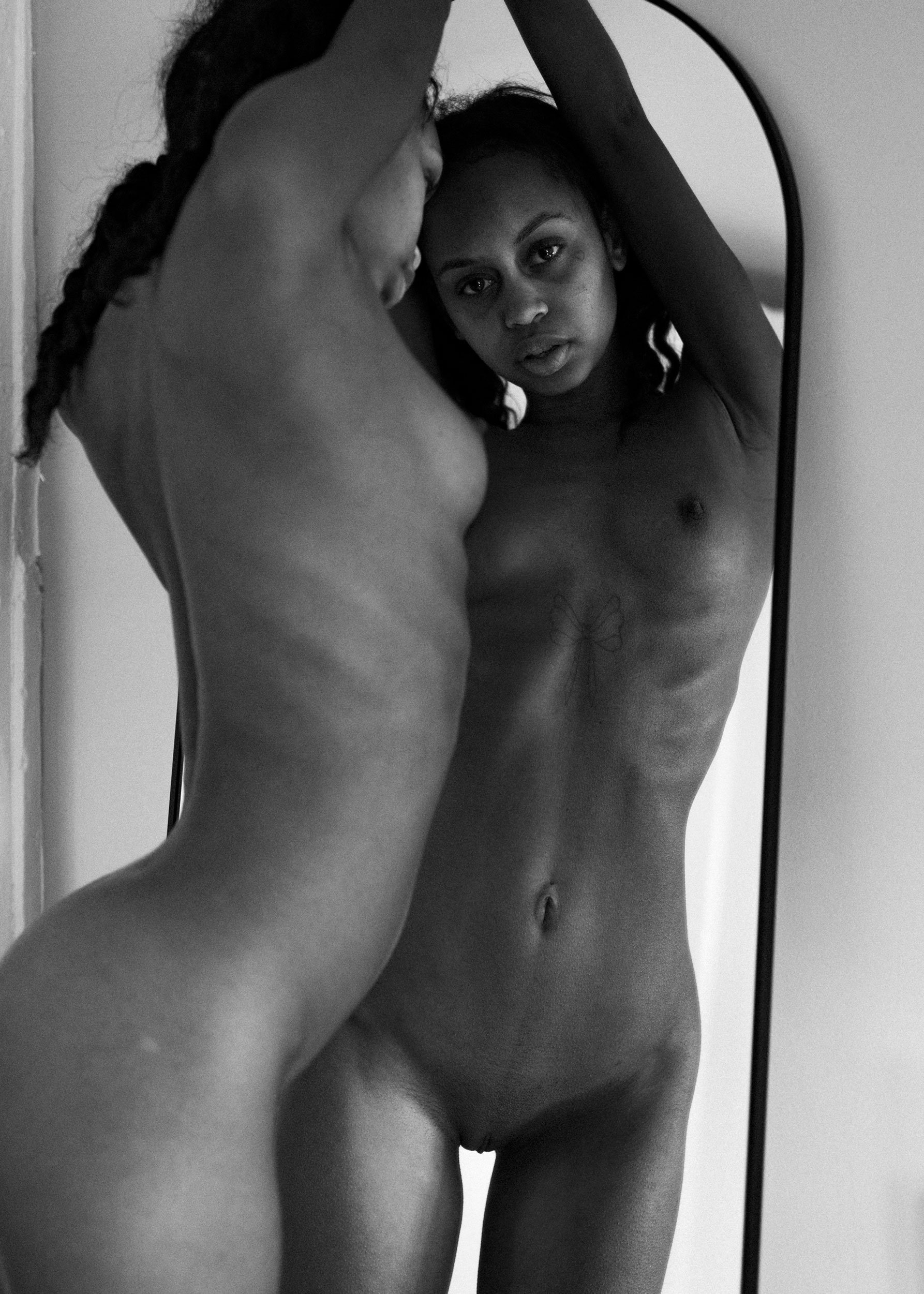
The resulting images feel powerful and thought-provoking, full of movement and intent. This kind of collaboration is exactly why I love shooting, and I can’t wait to create work like this again.
A foggy weekend in Kent
A foggy weekend in Kent offers incredible opportunities for atmospheric photography, and this trip to Margate and Rochester was no exception.
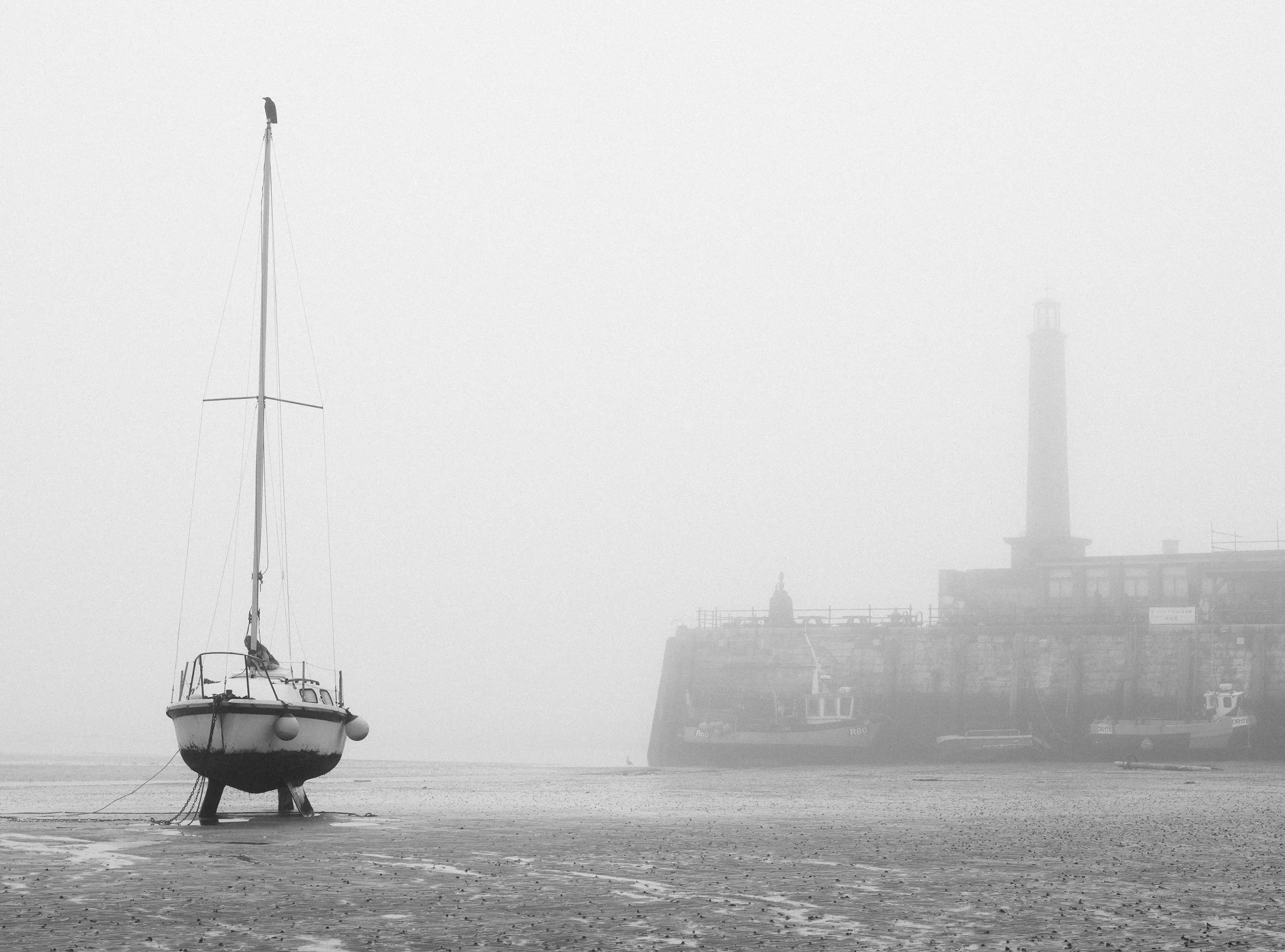
Fog descending at low tide in Margate
There’s something about fog that changes everything, and this weekend in Kent was a perfect reminder of why I love heading out with a camera when the weather is uncertain.
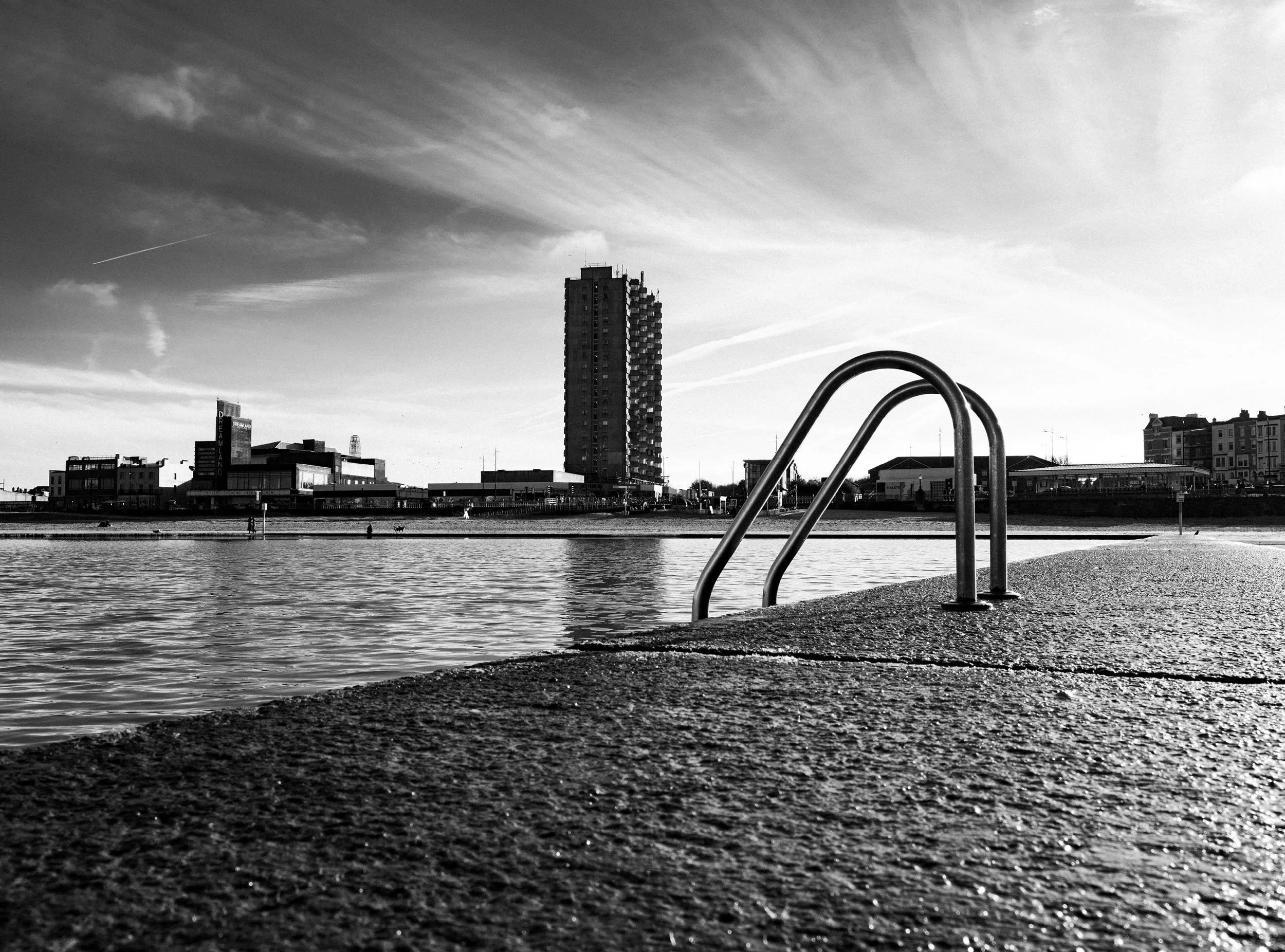
Sun was out in Margate on a brisk January morning
On Saturday I decided to do a bit of street photography in Margate. When I arrived, the sun was out and the light felt just right, but after about an hour the fog rolled in and completely transformed the atmosphere.
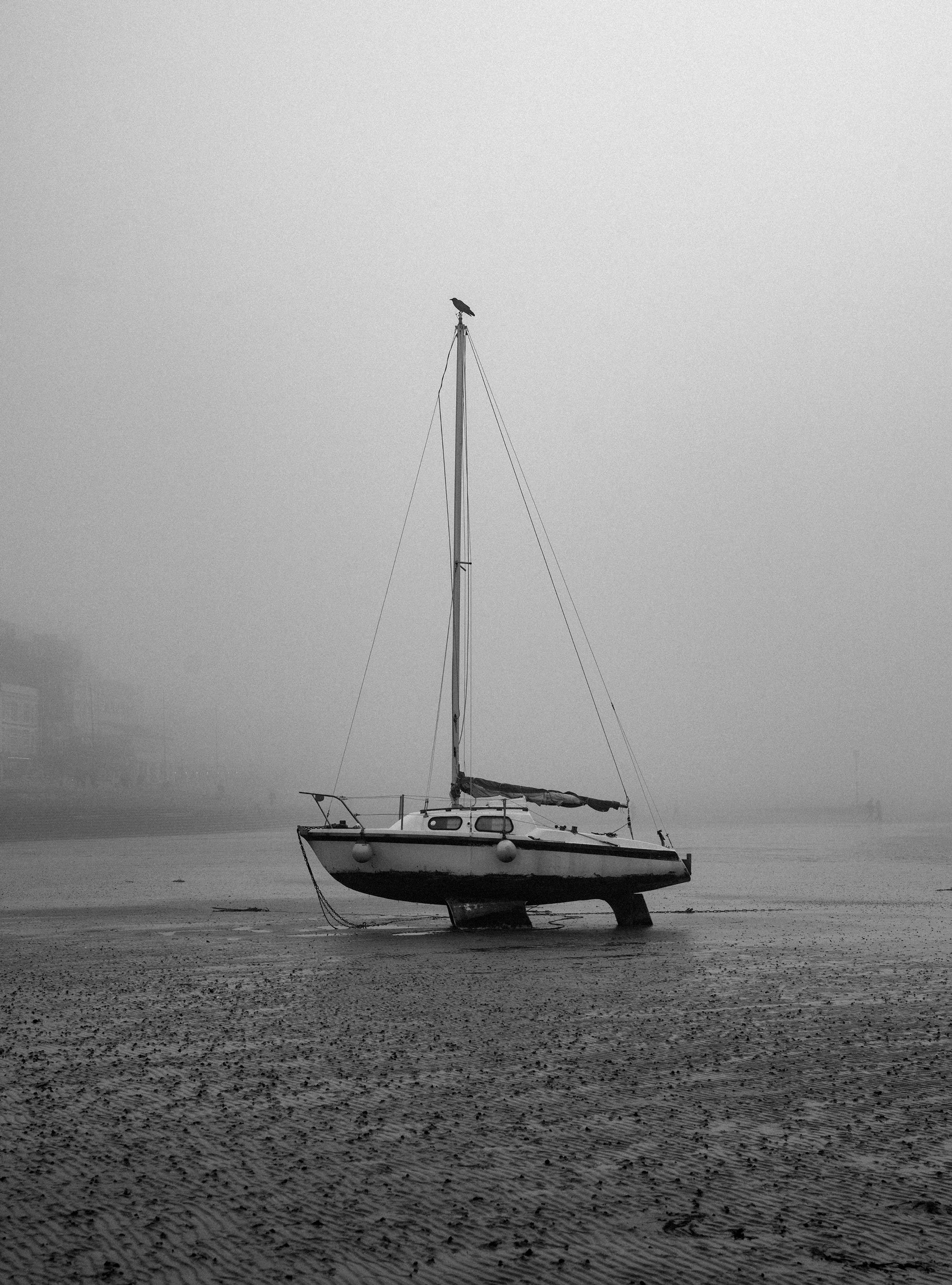
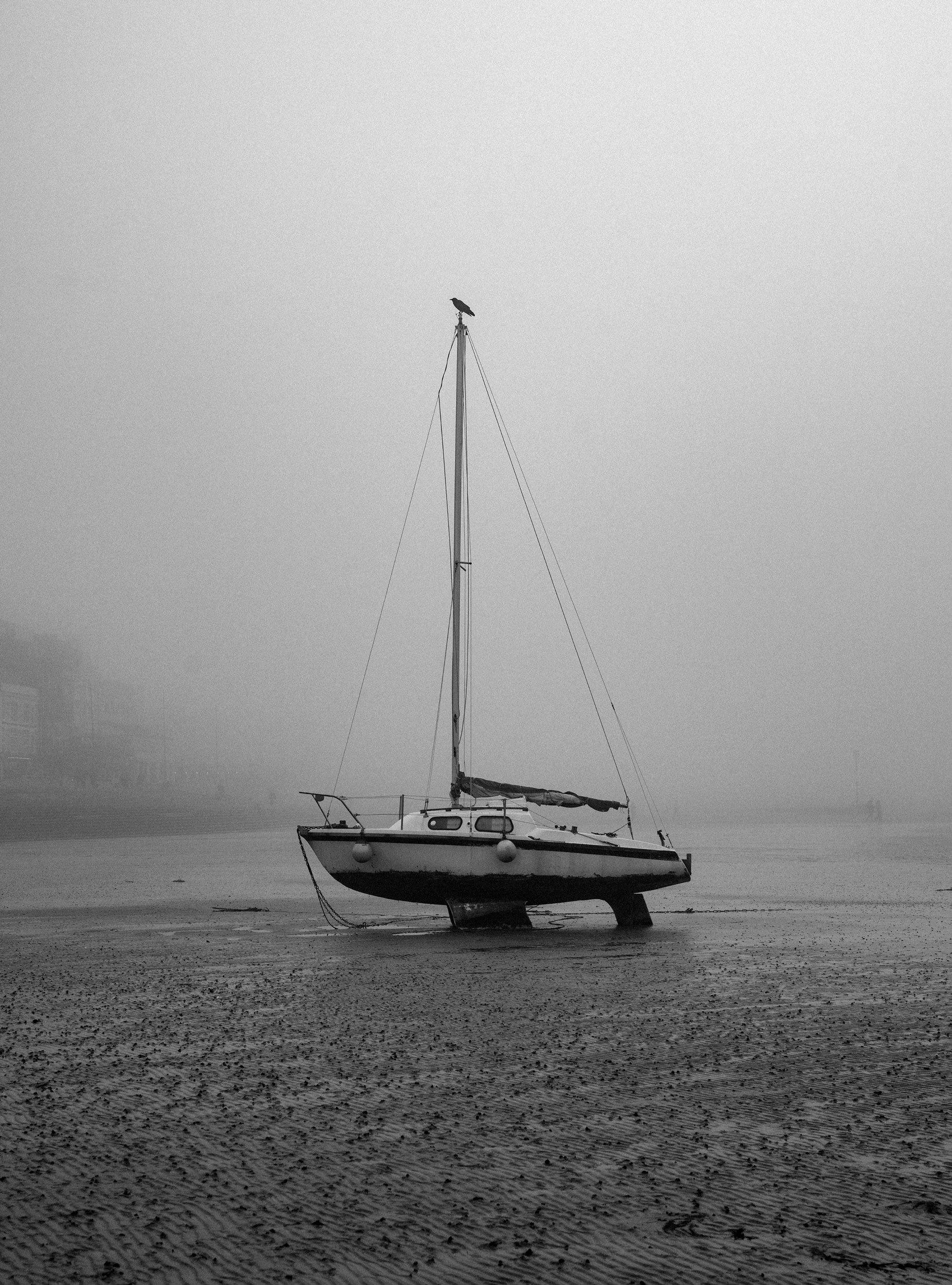
Lone boat at low tide in a foggy Margate
The familiar streets suddenly felt quieter and more cinematic, and I loved how the mood shifted so quickly. I wandered down to the beach and tried to capture a few boats sitting at low tide against the harbour wall. Moments like that are exactly why it’s always worth going out, you never quite know what you’ll get.
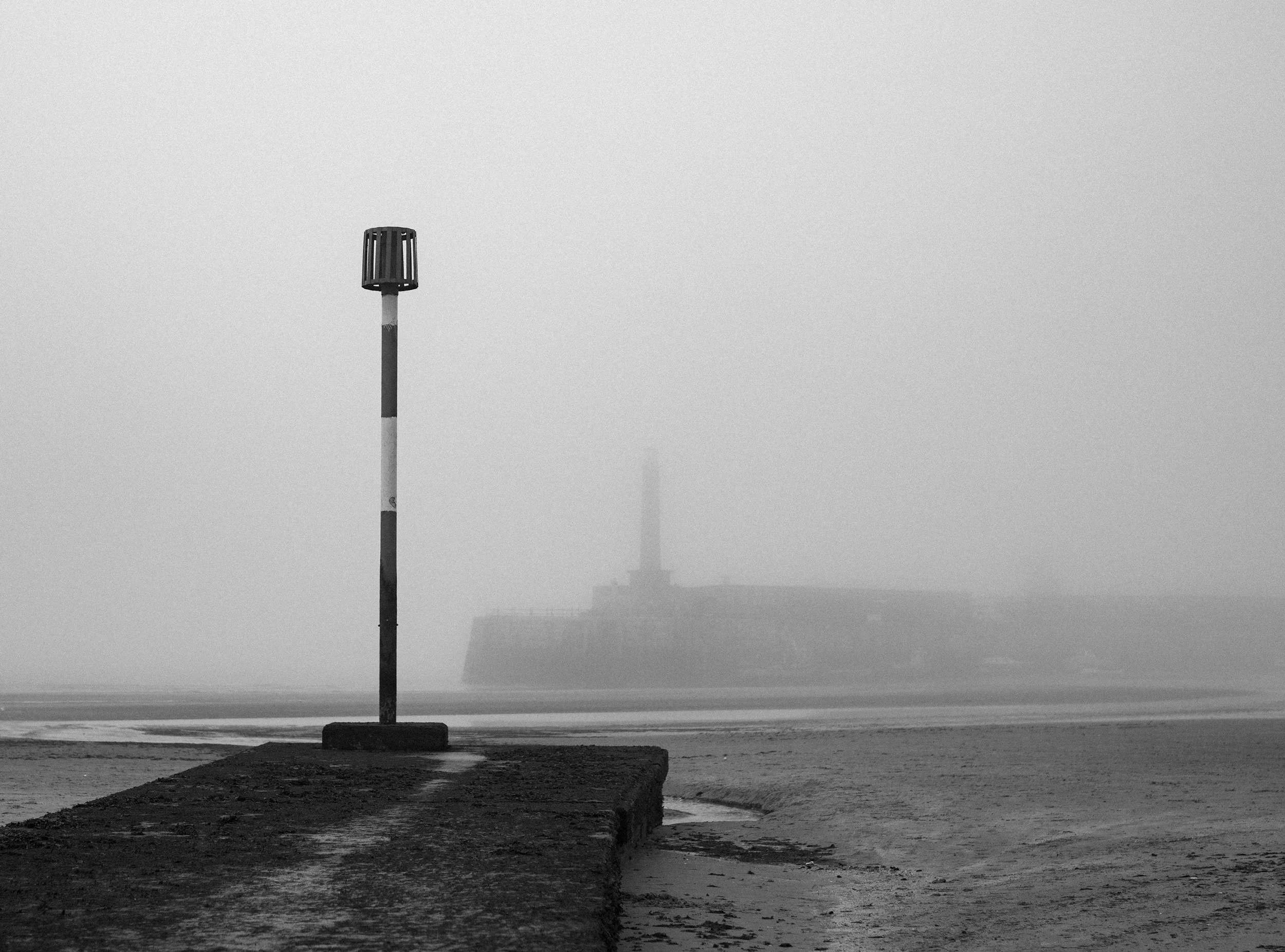
Margate harbour wall in the fog
Sunday morning started early in Rochester, hoping the fog would make another appearance. Thankfully, it did, almost too well. I headed to the other side of the Medway to photograph Rochester Castle, only to find the fog was so thick you couldn’t actually see the castle at all, which did make me laugh. Instead, I turned my attention to the bridge and a few boats resting in the still river water.
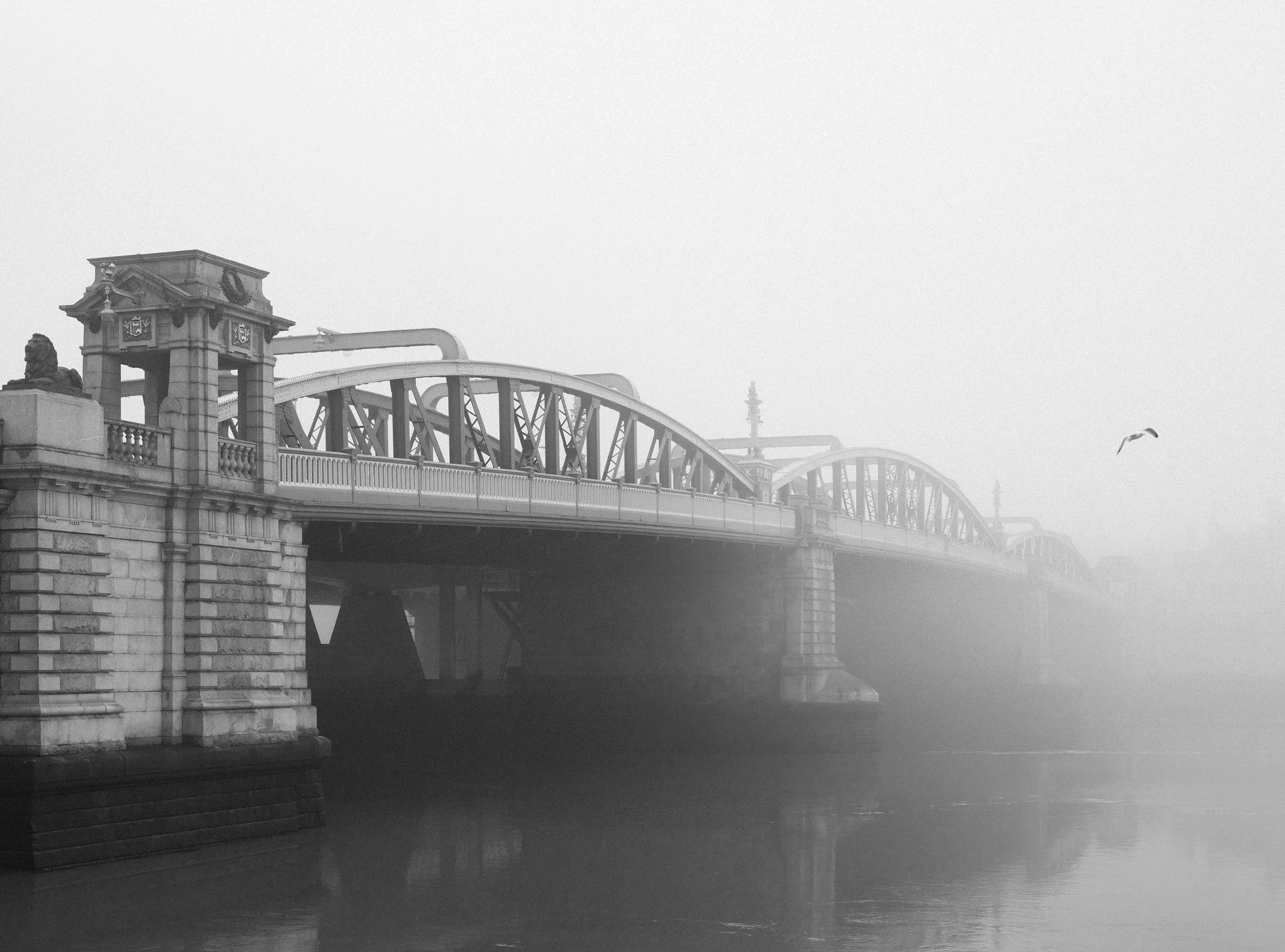
Rochester bridge in the fog.
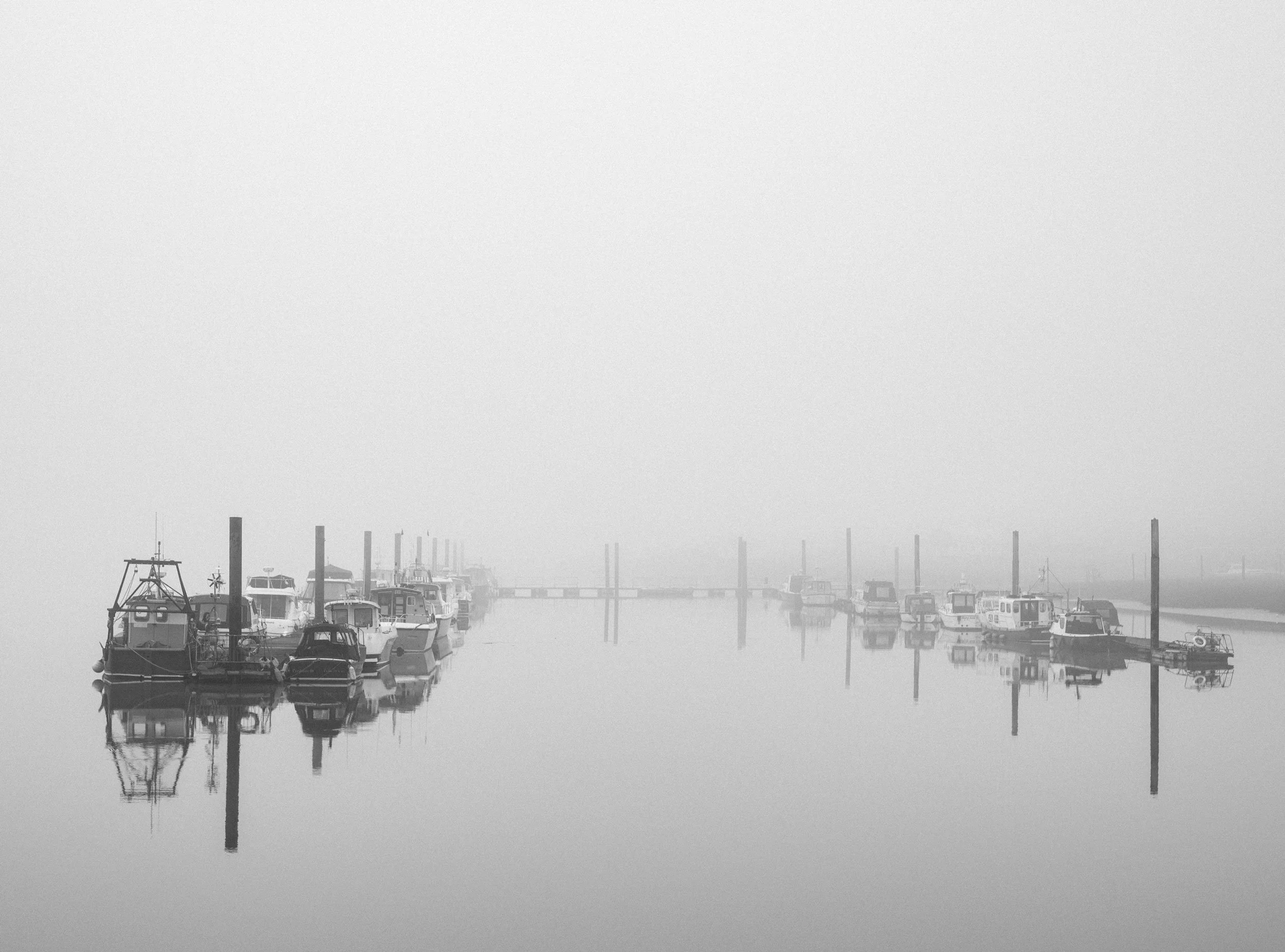
Boats sitting on the Strood side of the Medway river
As I crossed back over the river, the fog began to lift, which was a little frustrating, but that’s all part of the challenge. Despite that, I really enjoyed both days out and I’m already hoping for another foggy weekend to explore again.
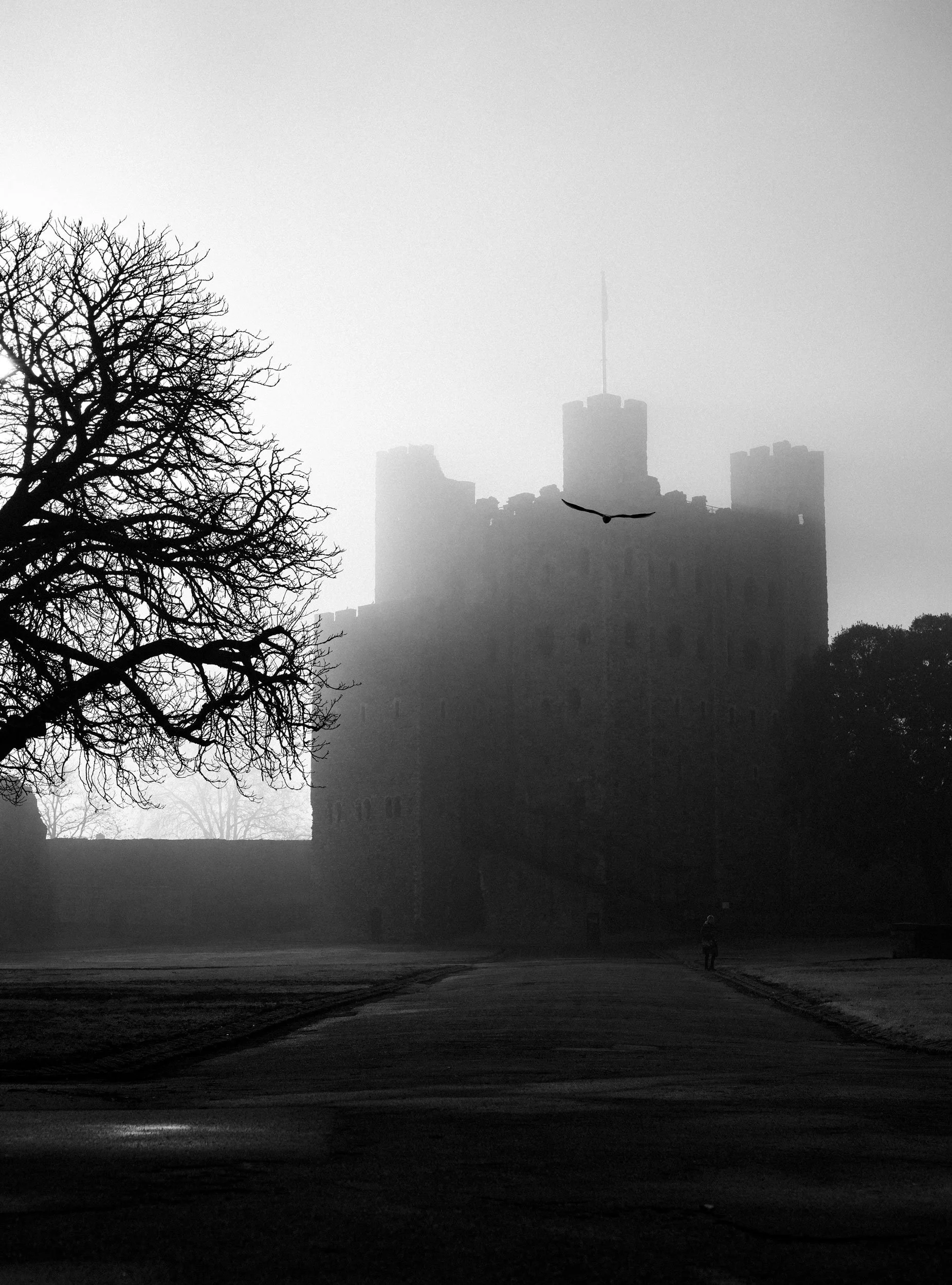
Rochester castle as the fog was lifting. Yes that bird actually flew into frame, it’s not placed in post production.
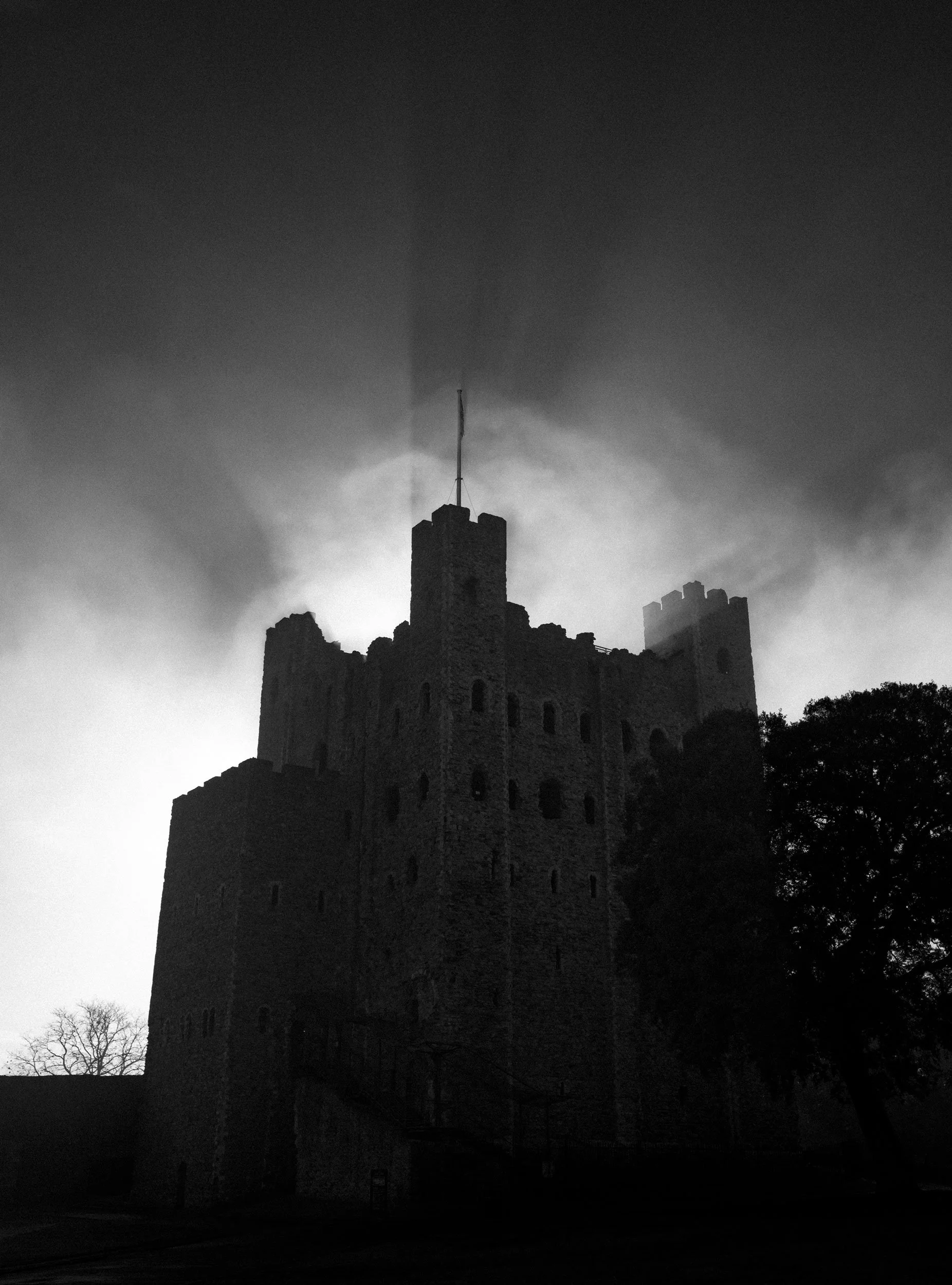
Rochester cattle back lite by the low sun with the last remnants of the mornings fog
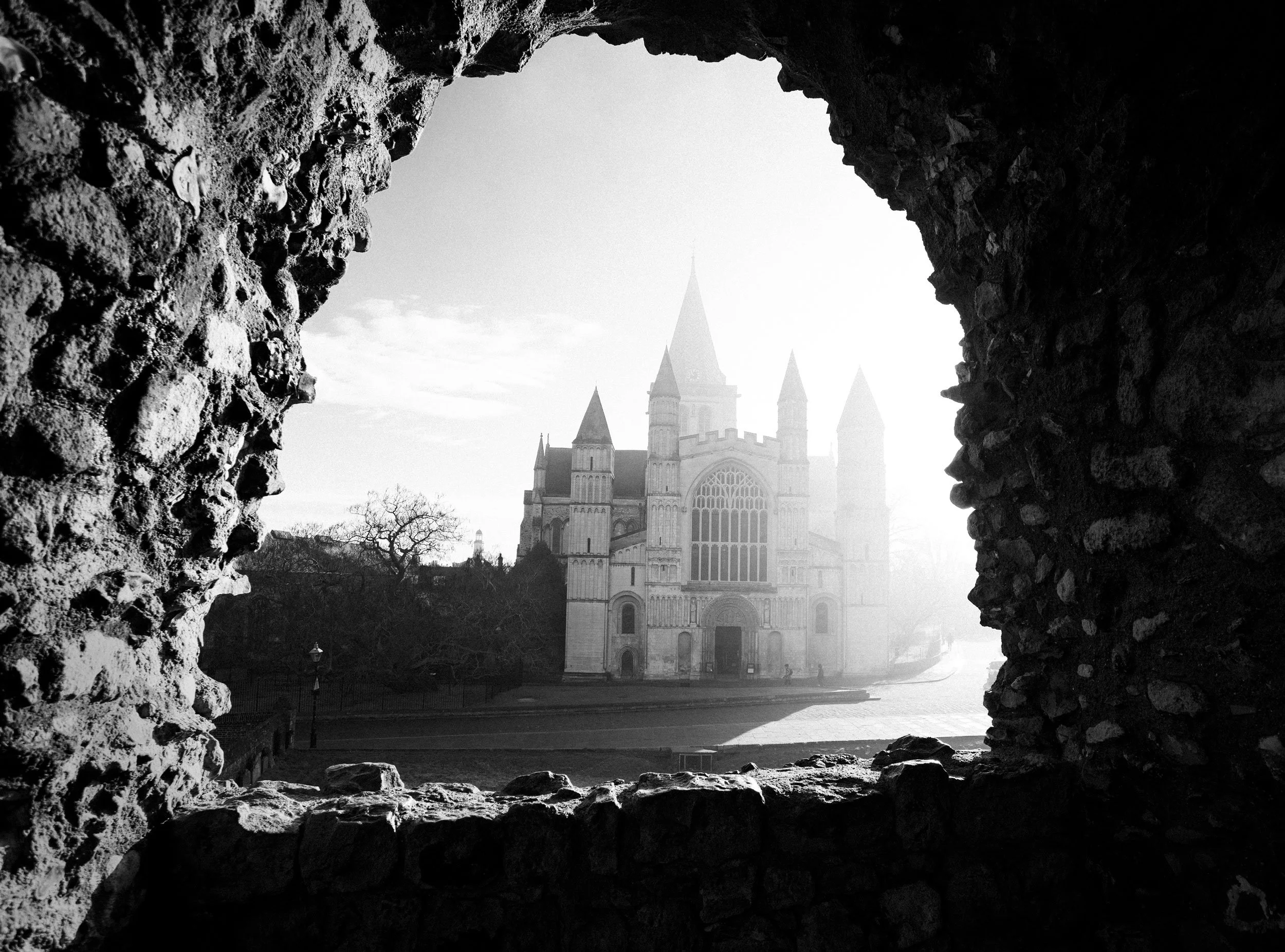
Rochester Cathedral viewed from Rochester Castle
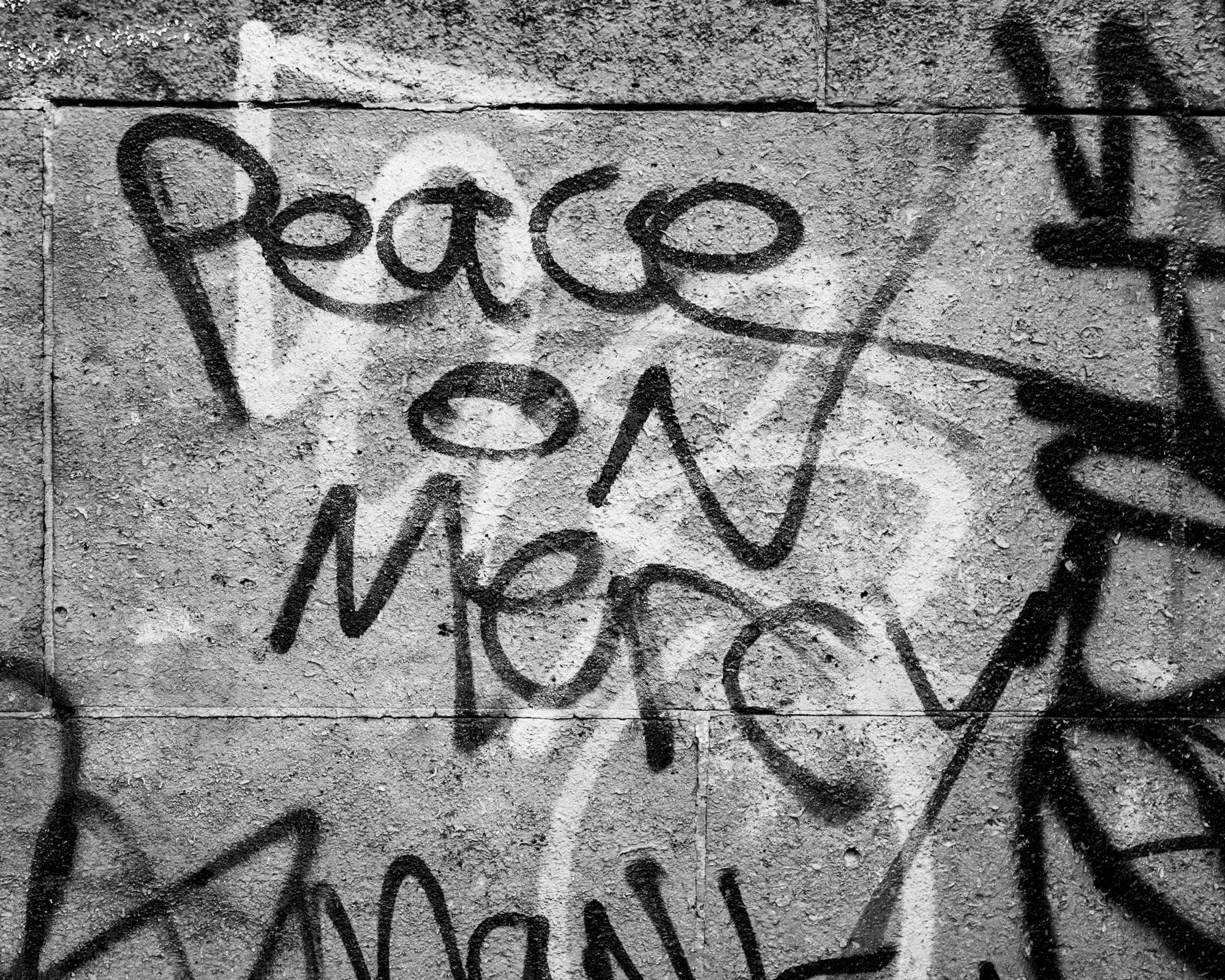
Silence Is Not Neutral
There is a comforting myth many of us cling to in times of mass violence, that silence is safety, that saying nothing keeps our hands clean. It doesn’t. Silence has never been neutral, and it has never protected the vulnerable. It has only always protected power.
There is a comforting myth many of us cling to in times of mass violence, that silence is safety, that saying nothing keeps our hands clean. It doesn’t. Silence has never been neutral, and it has never protected the vulnerable. It has only always protected power.
I understand the fear. Being called antisemitic is devastating, especially when you know that you are not. Antisemitism is real, violent, and deadly. It has shaped history through pogroms, expulsions, and the Holocaust. No one with a conscience should dismiss or minimize that reality.
But the fear of being mischaracterised cannot become an excuse for moral paralysis while an entire population is being slaughtered.
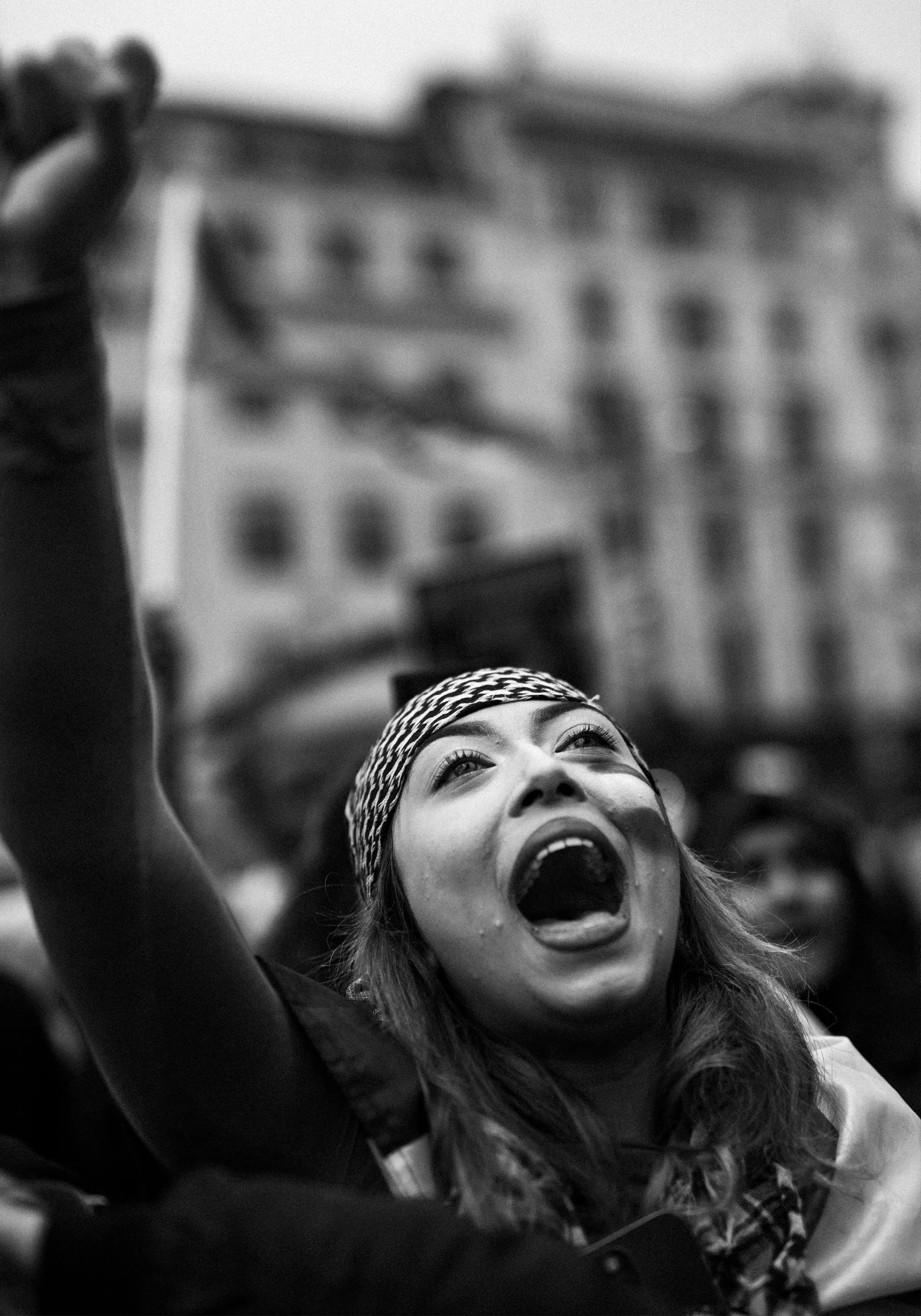
When bombs fall, when children are pulled from rubble, when entire neighborhoods are erased, choosing to say nothing is a decision. It is a decision to prioritise personal comfort over human life. It is a decision to let dominant narratives go unchallenged. And it is a decision that those in power depend on. Power does not require universal support to function. It just requires enough silence.
History shows us this again and again. Atrocities are not carried out only by monsters; they are enabled by ordinary people who look away, who wait for “perfect information,” who tell themselves it is “too complicated,” or who fear social consequences more than moral ones.
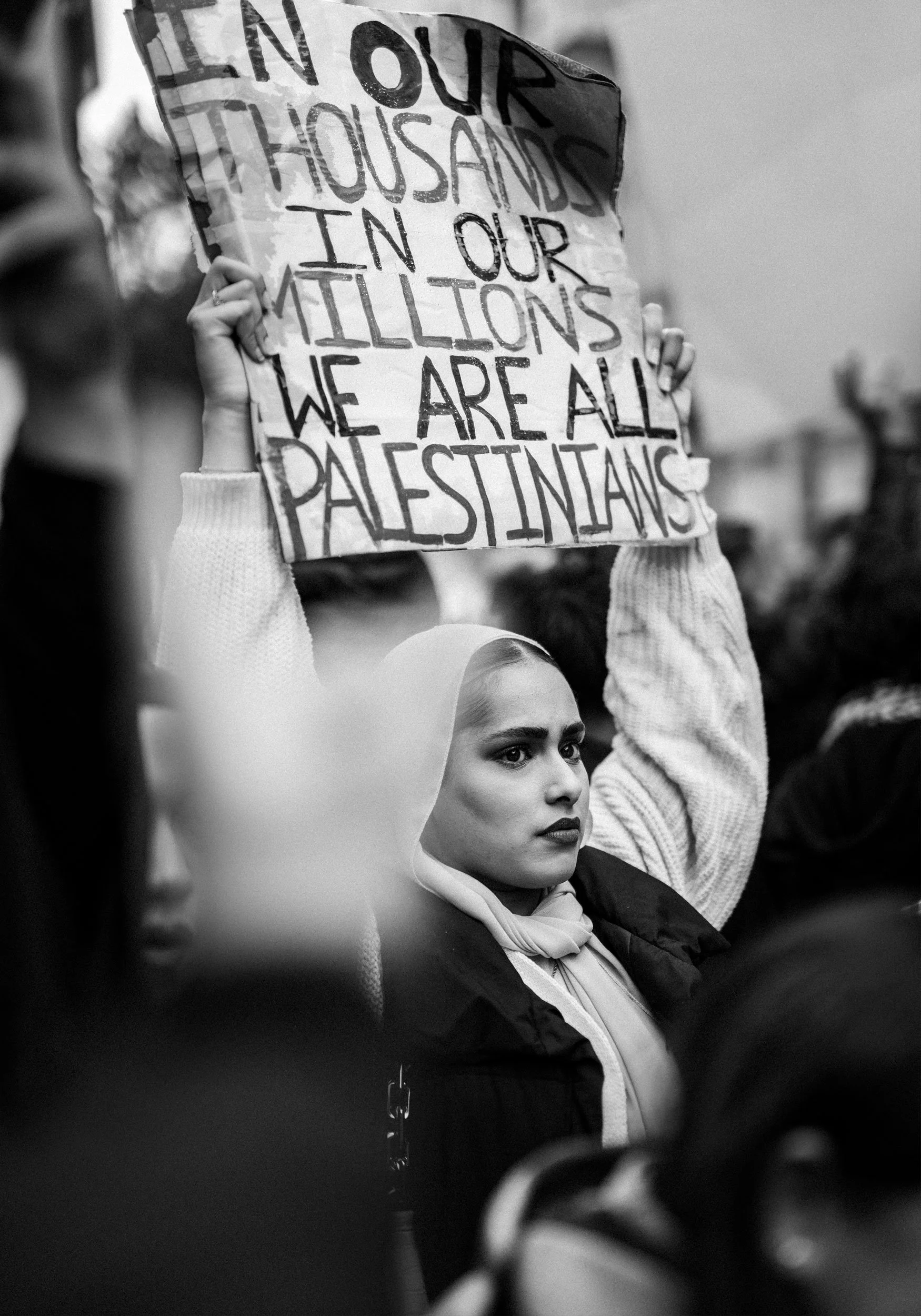
The widespread silence on Gaza is not accidental. It is manufactured.
People are taught that speaking out will cost them their jobs, their reputations, their friendships. That they will be smeared, misunderstood, or permanently labeled. And so many comply, not because they believe the violence is justified, but because they are afraid.
That fear proves something uncomfortable and that is how easily many of us can be controlled.
If a threat to your social standing is enough to make you ignore mass death, then the problem is not complexity, it is cowardice. And that same fear has been used throughout history to ensure that ordinary people remain quiet while extraordinary crimes are committed.
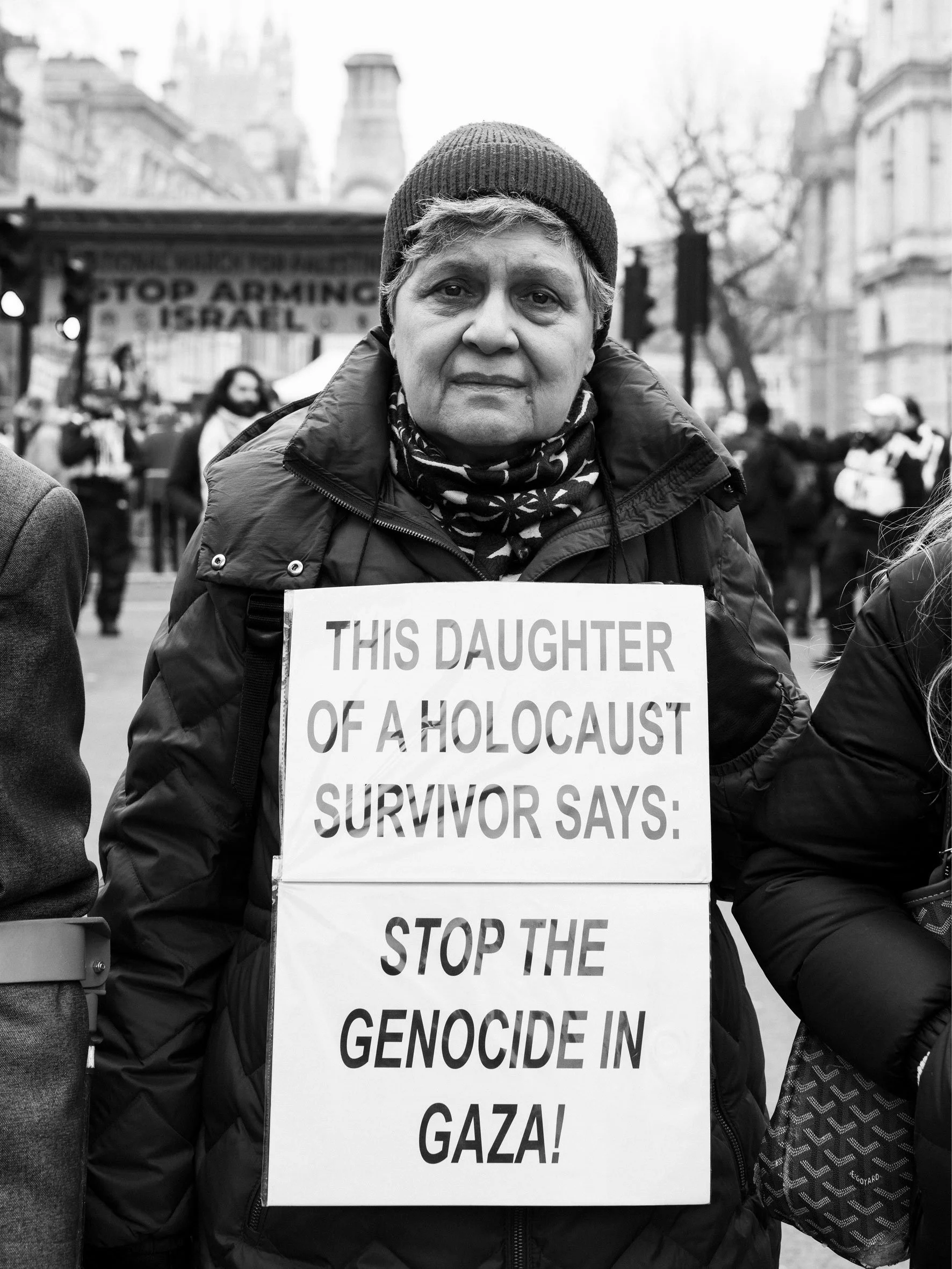
Many people like to believe they would have resisted past atrocities, that they would have hidden Jews during the Holocaust, that they would have opposed apartheid, that they would have marched for civil rights. I say bullshit. Because history is not judged by hypothetical courage. It is judged by actual behavior.
If you are silent now, when the evidence is overwhelming, when the suffering is visible in real time, when the victims are begging the world to see them, then you are demonstrating exactly how easily you could have been silent before. Not because you are evil, but because you have chosen personal safety over justice.
That is a hard truth. But it is a necessary one.
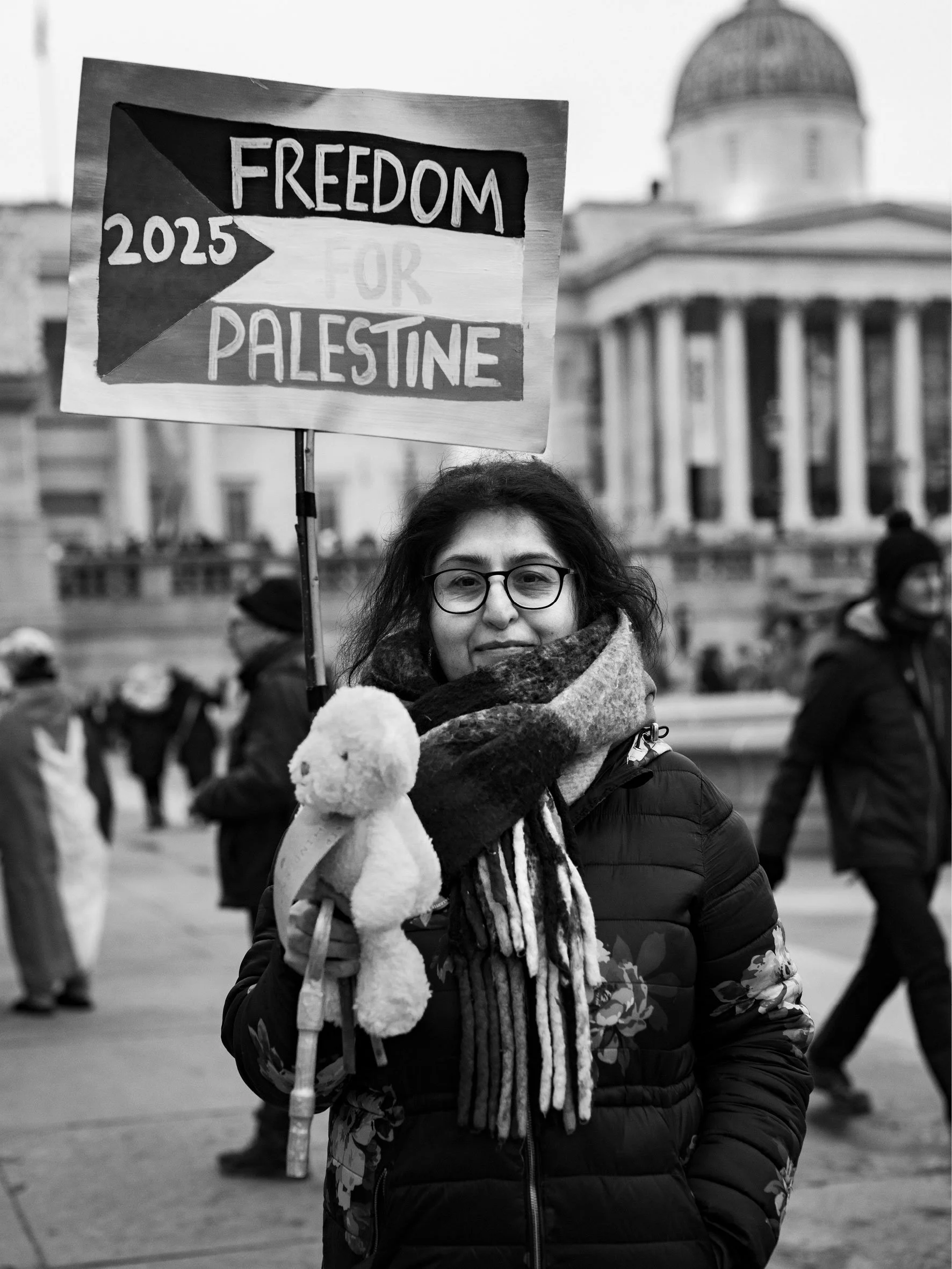
This must be said clearly and without apology: opposing the actions of the Israeli state is not the same as hating Jewish people. Judaism is not a government. Jewish identity is not a military campaign. Conflating the two does not protect Jews, it endangers them by weaponising antisemitism as a shield for state violence.
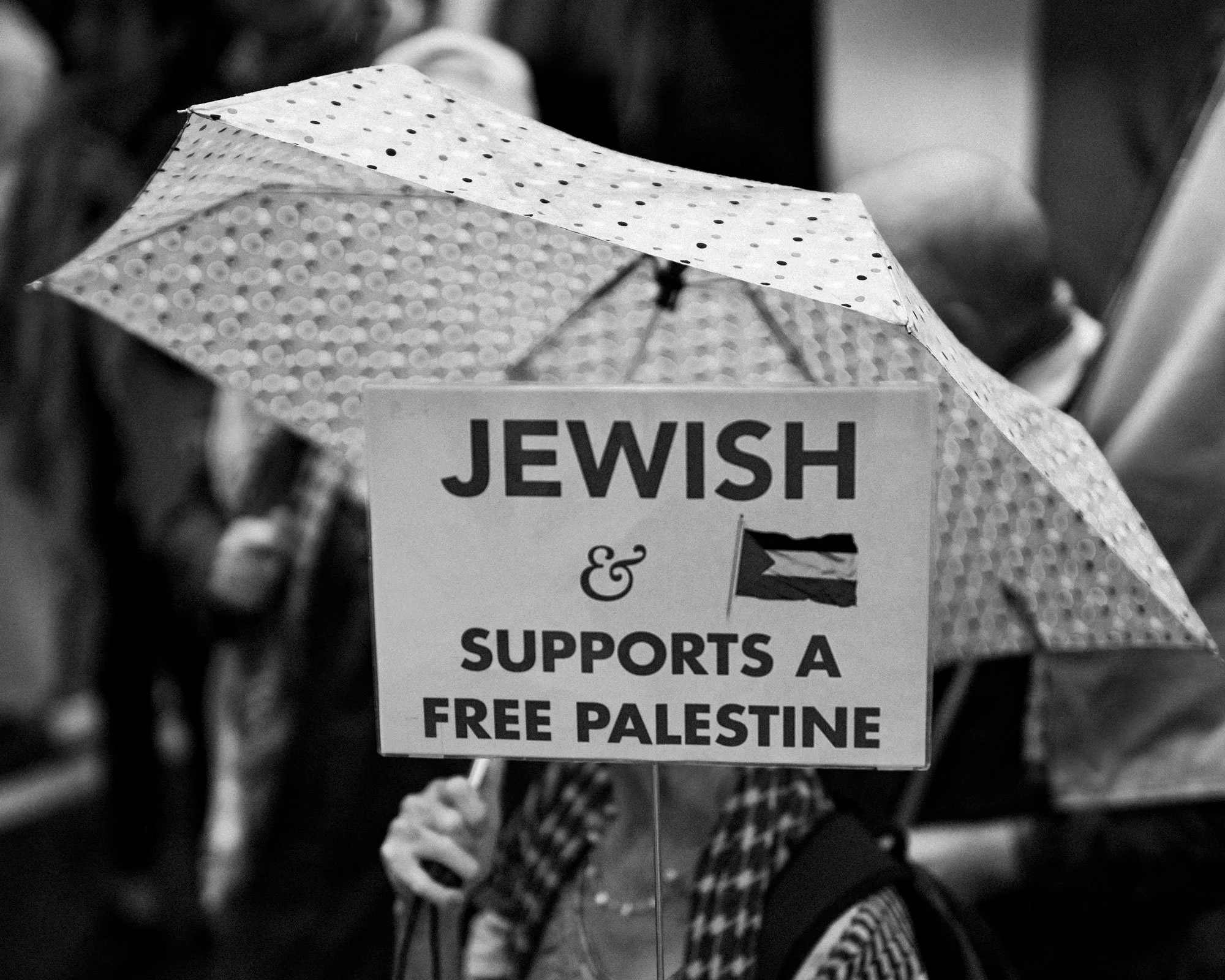
Many Jewish people around the world are speaking out against what is happening in Gaza, precisely because their history teaches them the cost of silence. Listening to them matters.
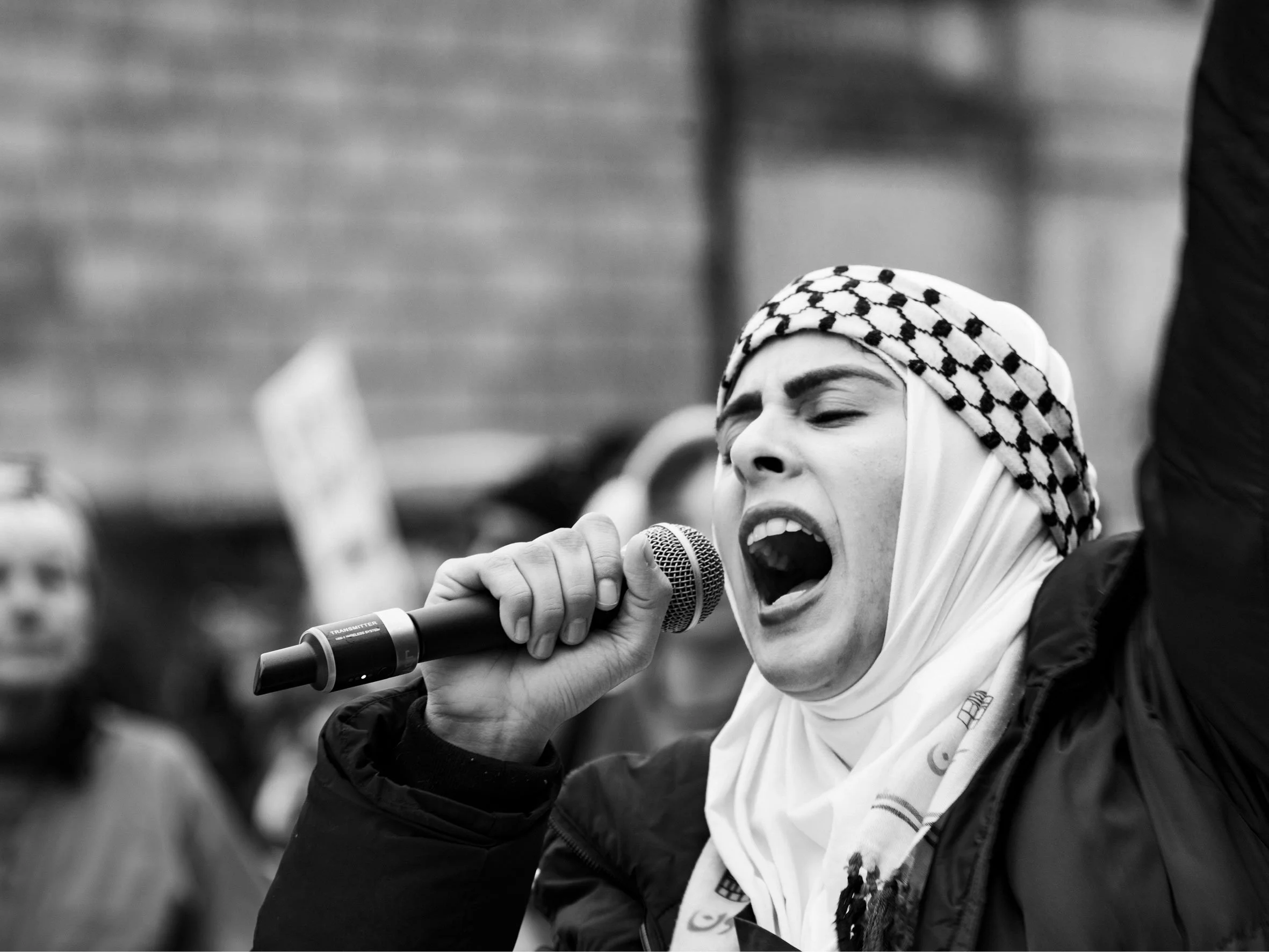
Silence does not protect Jewish people. It does not protect Palestinians. It does not protect peace.It protects: governments from accountability, corporations from scrutiny, media narratives, especially state media, from challenge, and it protects individuals from discomfort
And while you remain silent, the death toll rises.
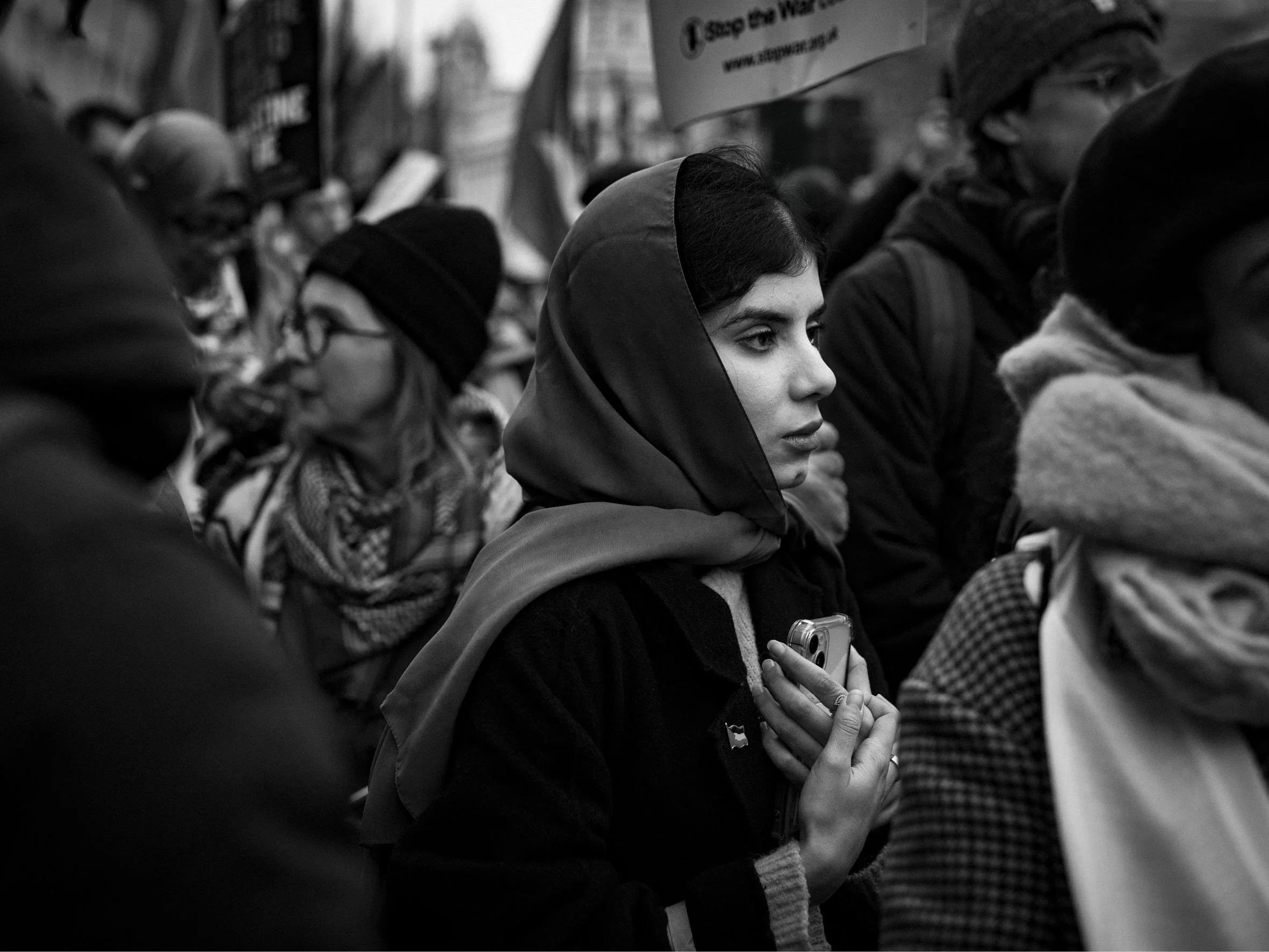
Speaking out does not require perfection. You may make mistakes. You may be misunderstood. You may be criticised. But none of that compares to the permanent silence imposed on those who are being killed. Moral clarity has never been popular in its own time. It has always been inconvenient, risky, and uncomfortable.
The question is not whether you will be judged for speaking. The question is how history will judge you for staying quiet.
Because silence, in the face of genocide, is not neutrality. It is complicity.
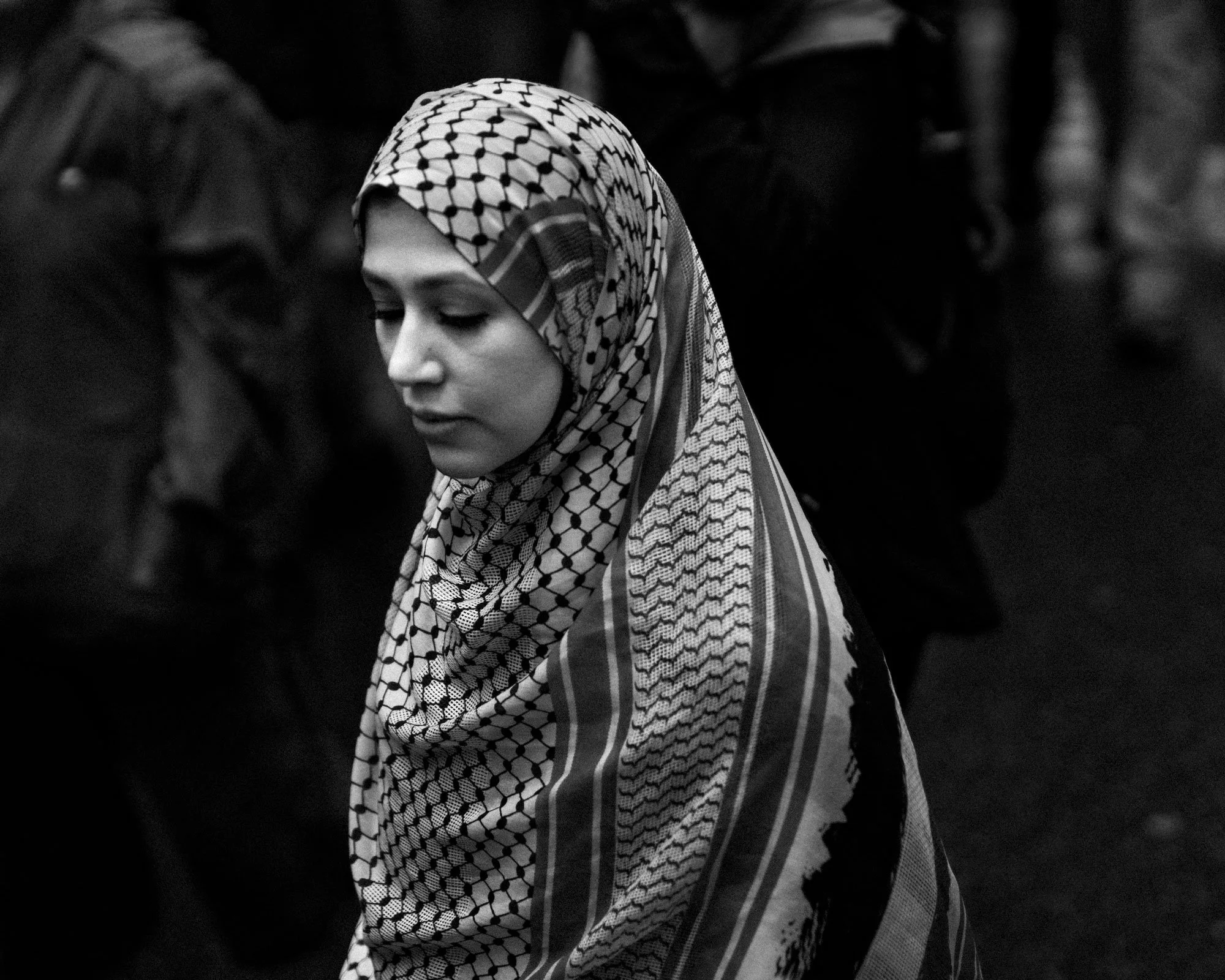
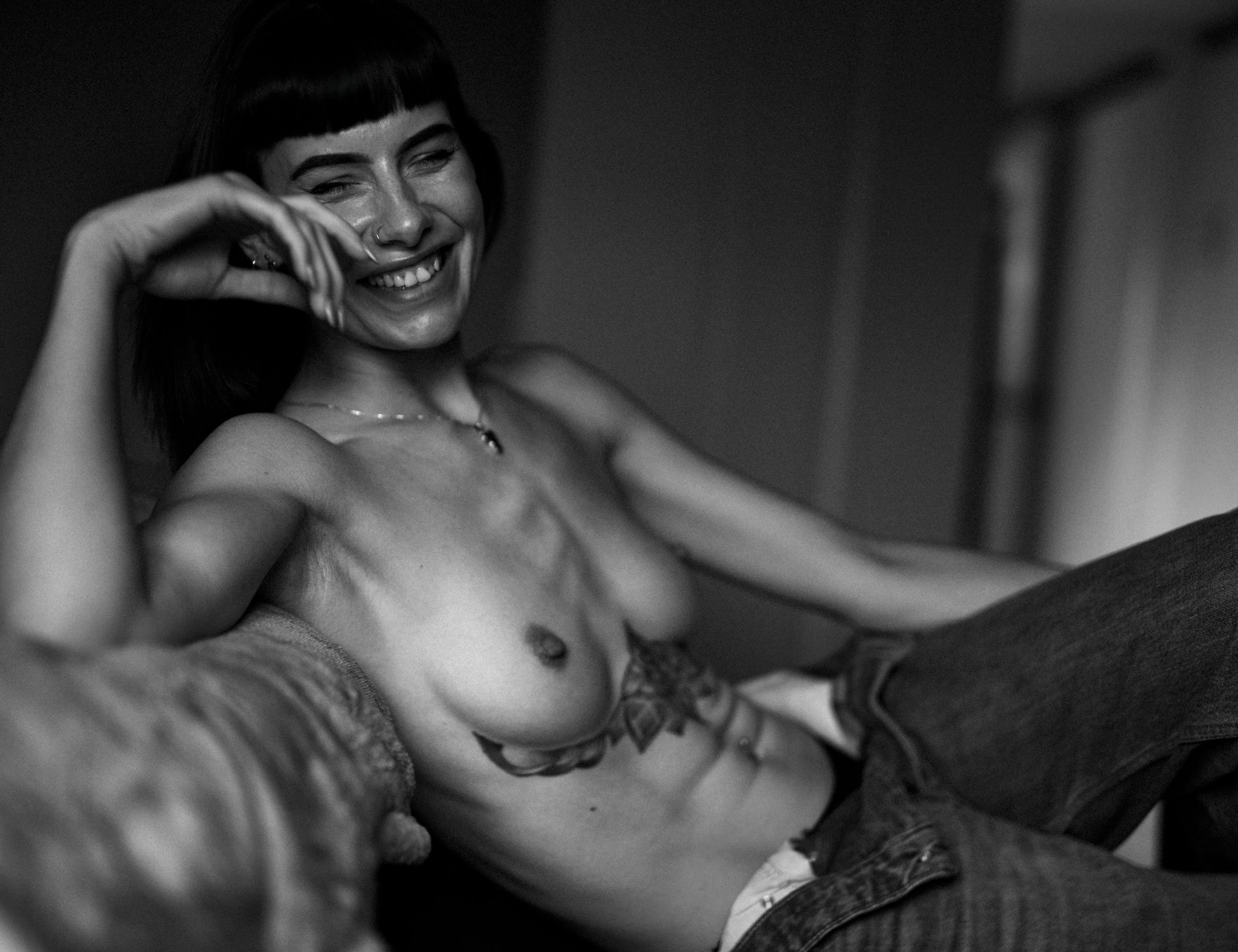
The Quiet Privilege Of Working With Models
It dawned on me recently just how much of a privilege it is to work with models as a photographer. We often meet as strangers, spend only a few hours together, and then go our separate ways. Yet the images we create, and the memories attached to them, can last a lifetime. That imbalance of time versus impact is something I don’t think I’ll ever stop being humbled by.

Emily Roberts
It dawned on me recently just how much of a privilege it is to work with models as a photographer. We often meet as strangers, spend only a few hours together, and then go our separate ways. Yet the images we create, and the memories attached to them, can last a lifetime. That imbalance of time versus impact is something I don’t think I’ll ever stop being humbled by.
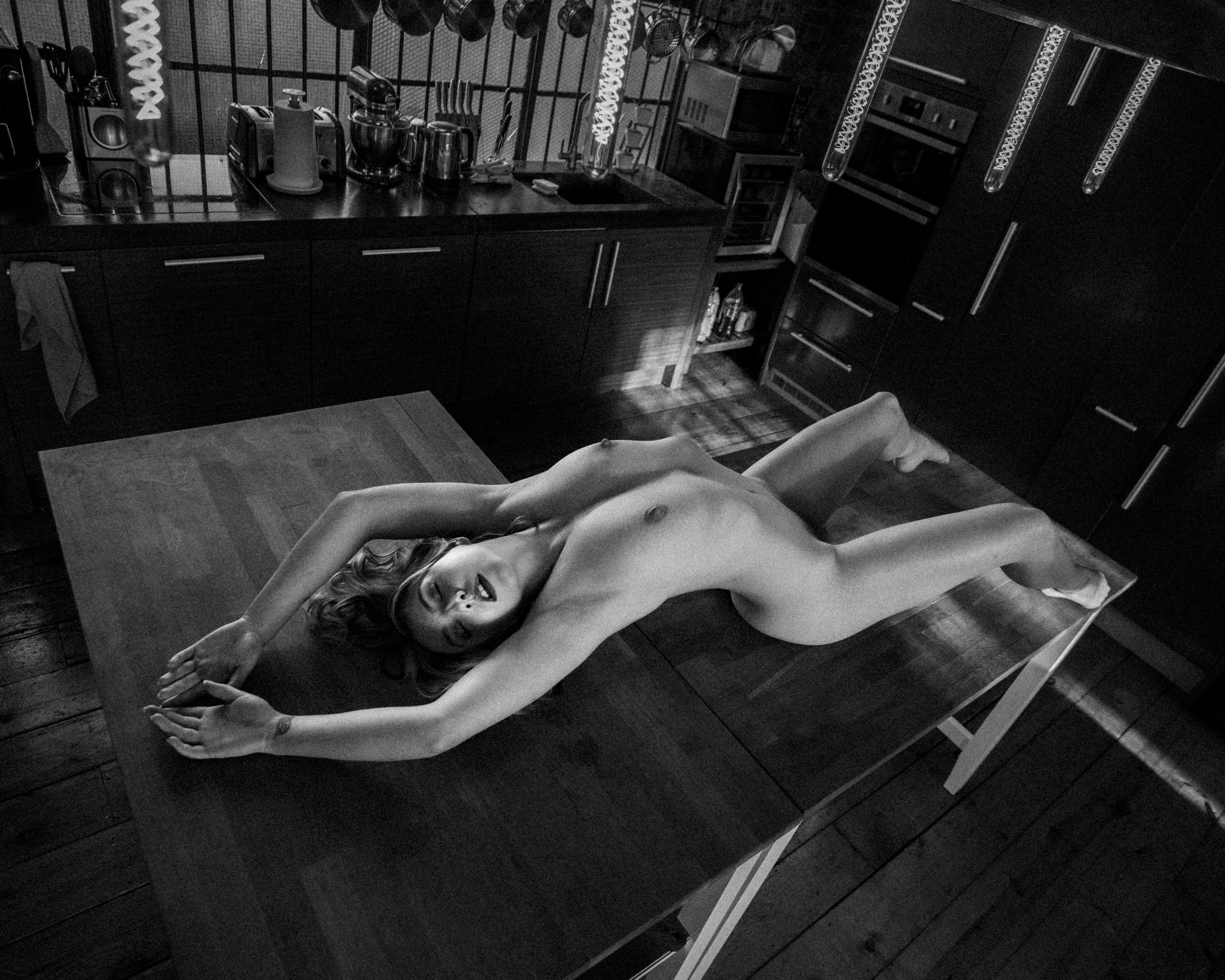
Nicole Rayner
I’m one of those photographers who likes to revisit old work. Occasionally I’ll scroll back through images from a shoot years ago, not with any particular purpose other than curiosity. Almost without fail I’ll find a frame I somehow overlooked the first time, a fleeting expression, a subtle gesture, a quiet moment between poses. With fresh eyes that image suddenly reveals itself as a small gem.

Lulu Lockhart
What surprises me most when I do this isn’t just the photograph, but how vividly the shoot comes rushing back. I remember the session, the light in the room, the little conversations and shared laughs. A single frame can unlock an entire afternoon. It’s a reminder that photography doesn’t just capture how something looked, but how it felt to be there.

Tania Aresti
Sometimes those shoots involve nude or erotic photography. These are often the most misunderstood, yet they are among the most intimate and collaborative experiences I’ve had as a photographer. Two people who may never have met before come together, and within the span of a few hours can create something that feels deeply personal, alluring, and honest.

Nausicaa Yami
That kind of work demands trust, real trust, on both sides of the camera. For the model, it means vulnerability, confidence, and an ability to remain present in front of a lens. For the photographer, it means respect, clear communication, and an understanding that the images being created carry emotional weight as well as aesthetic value. When it works, it’s nothing short of incredible.

Jasmine High
Modelling itself is an art form that deserves far more respect and recognition than it often receives. It’s not just about posing or knowing your angles. It’s about interpretation. Many photographers, myself included, arrive with ideas that are half-formed or abstract. A mood, a feeling, a vague visual direction. A good model can take that uncertainty and help shape it into something tangible.

Anaïs Benmessaoud
They read the room, adapt to the energy, and bring their own creativity into the process. They know when to push and idea, when to pull back, when stillness says more than movement. The best models don’t just appear in photographs; they actively co-create them.

Irida the Shapeshifter
As a black and white photographer, I rely heavily on that collaboration. Without colour to distract, everything rests on expression, posture, light, and connection. The model becomes the narrative. Their ability to emote, to inhabit a moment, is what gives the image its power.
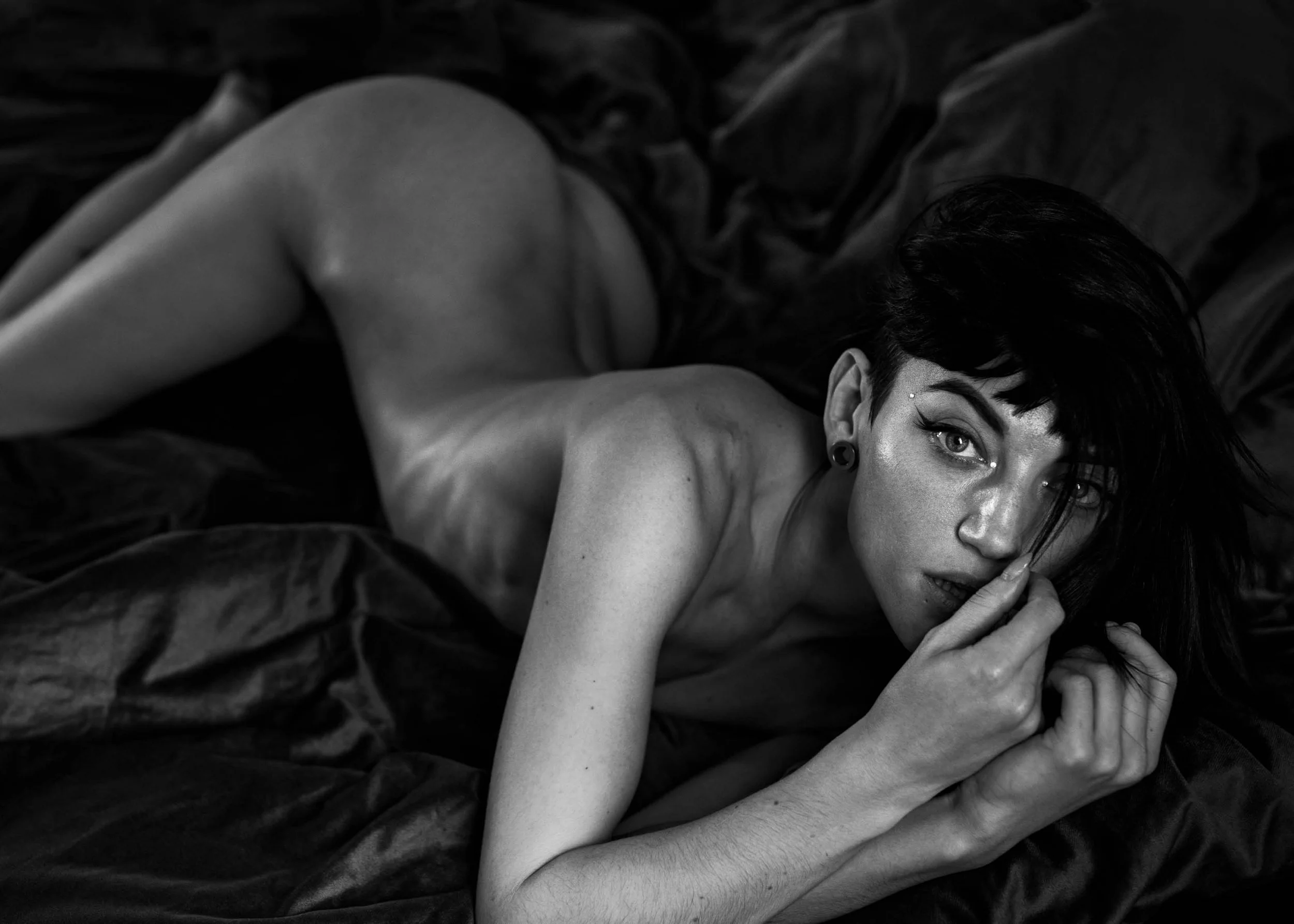
Jordan Ebbitt
Looking back over years of work, what stands out most isn’t a particular technique or setup, but the people. The shared moments. The fleeting partnerships that produced something lasting. It’s easy to forget, in the pursuit of better images or sharper skills, just how special those collaborations are.
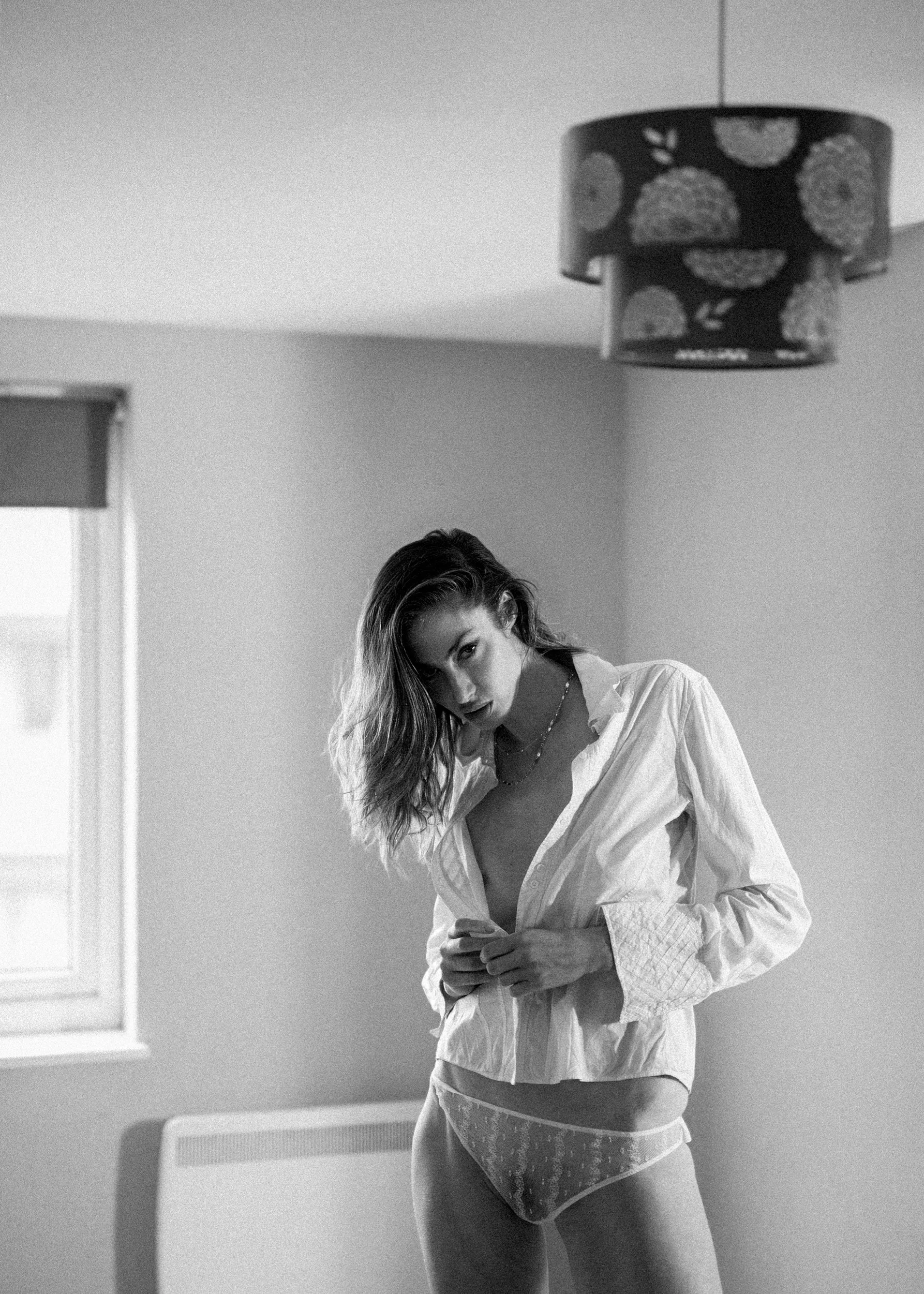
Karina
I have enormous respect for those who step in front of the camera, for their courage, their creativity, and their trust. Long may it continue.

Ayla Rose
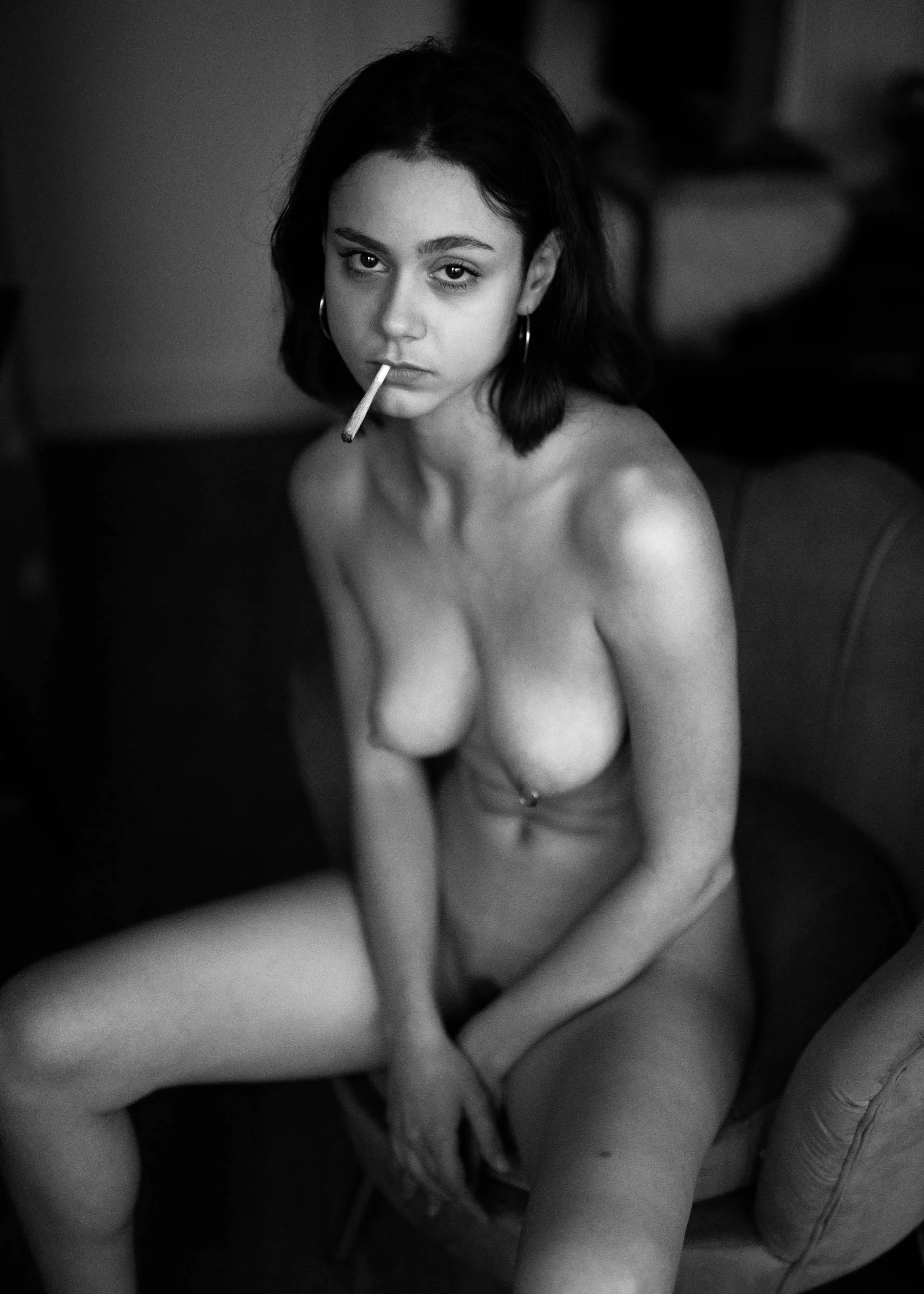
Why I Shoot Black and White Nude Photography — And It’s Not What You Might Think
When people first learn that I specialize in black and white nude photography, they often assume it’s a stylistic statement. A creative flair. Maybe an attempt to be dramatic or artsy. And sure, I love the timelessness and honesty of monochrome imagery, but the real reason runs quite a bit deeper.
I’m colourblind.

Irida the Shapeshifter
When people first learn that I specialize in black and white nude photography, they often assume it’s a stylistic statement. A creative flair. Maybe an attempt to be dramatic or artsy. And sure, I love the timelessness and honesty of monochrome imagery, but the real reason runs quite a bit deeper.
I’m colourblind.

Nausicaa Yami
It’s funny how often that surprises people, as if the art we make must always spring from some intentional “aesthetic choice.” But for me, working without colour isn’t about removing something, it’s about letting me actually see.

Chiara Elisabetta
Black and white is where the world becomes clear, defined, comfortable. It’s where I understand light, shadow, form, and depth without questioning whether I’m interpreting the scene “correctly.” It’s the closest thing to visual certainty I know.

Tania Aresti
Before a camera ever made its way into my hands, I drew. I painted. I spent hours hunched over paper with pencil or pen, shading slowly, getting lost in contour and contrast. Monochrome was my native language long before I knew it was one.

Hattie Grace
I didn’t choose it, it chose me, or perhaps I just grew into it. Looking back, it all makes sense. I never gravitated toward color because color was never clear. But shadow and shape? The quiet conversation between highlight and darkness? I could understand that.

Lulu Lockhart
Bodies tell stories without words. They’re raw, unfiltered, unapologetically human. When colour is removed, what remains is pure form, texture, curve, intention, vulnerability, power. It strips away distraction, performance, identity, and costume.

It’s not about sexuality.
Not about shock value.
Not about provocation.
It’s about truth.

Tink Kaos
In black and white, the body stops being something we look at and becomes something we look into. We see the person, not just their appearance, but their presence.

Catarina Correia
For me, black and white is not some romantic creative pose. It’s the world I’ve always seen most clearly. A place where my perception meets expression without distortion or doubt. The nude form, in that world, becomes a study not of color or glamour, but of being human.

Amber Rose
So no, it isn’t what most people first think.
I don’t shoot black and white to be dramatic. I shoot black and white because there, the image feels honest.
And I don’t shoot nudes to reveal skin, I shoot nudes to reveal truth.

Nicole Rayner
Black and white is where I live.
Nude photography is how I speak.
Together, they let me tell stories in the language I understand best.

Jordan Ebbitt
Standing Tall in the small market town of Faversham
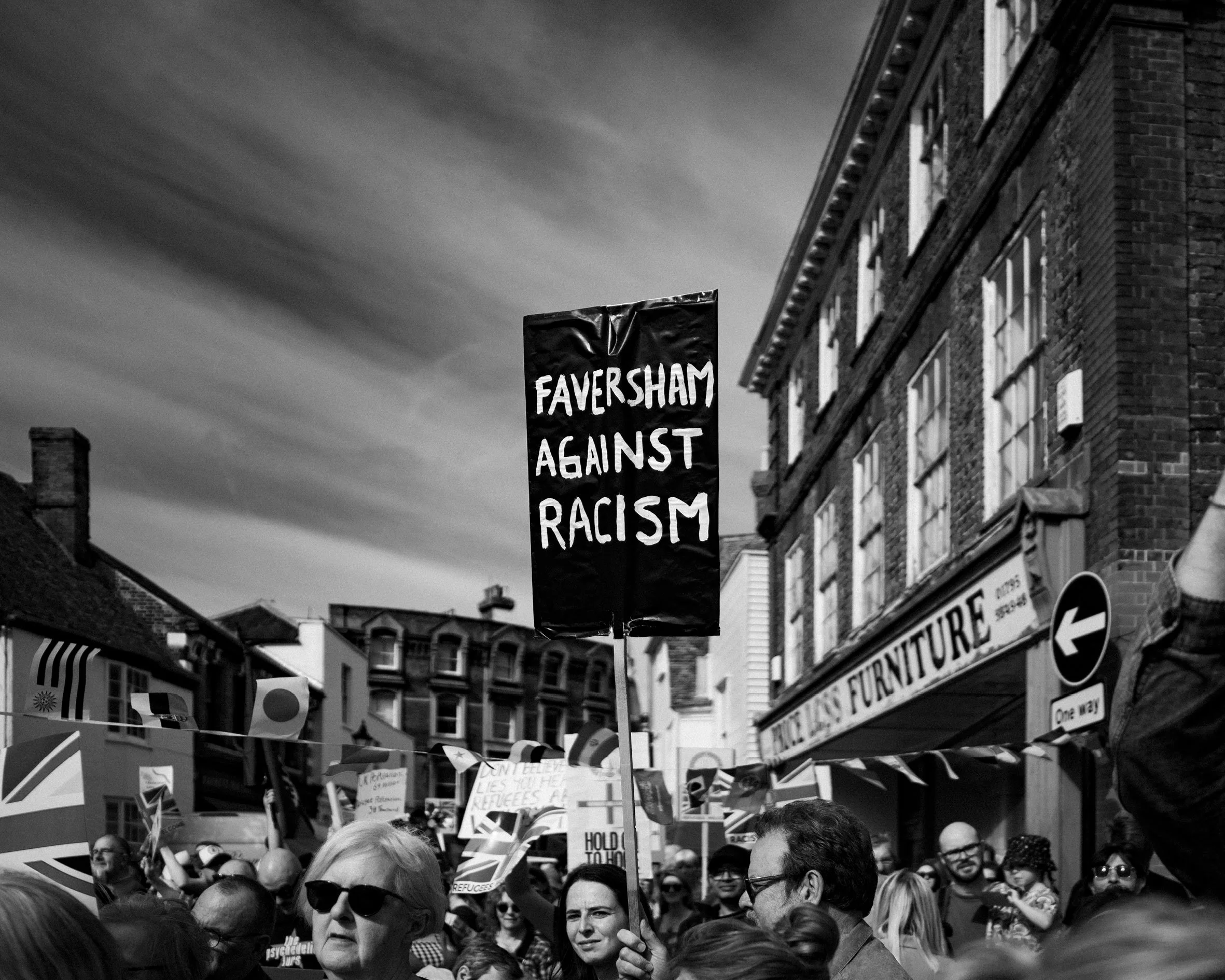
On Saturday 6th September 2025, the usually calm and welcoming market town of Faversham, Kent was shaken. For the past five years that I’ve called this place home, it has felt like a community rooted in acceptance and kindness. But this weekend, that sense of safety was put to the test.
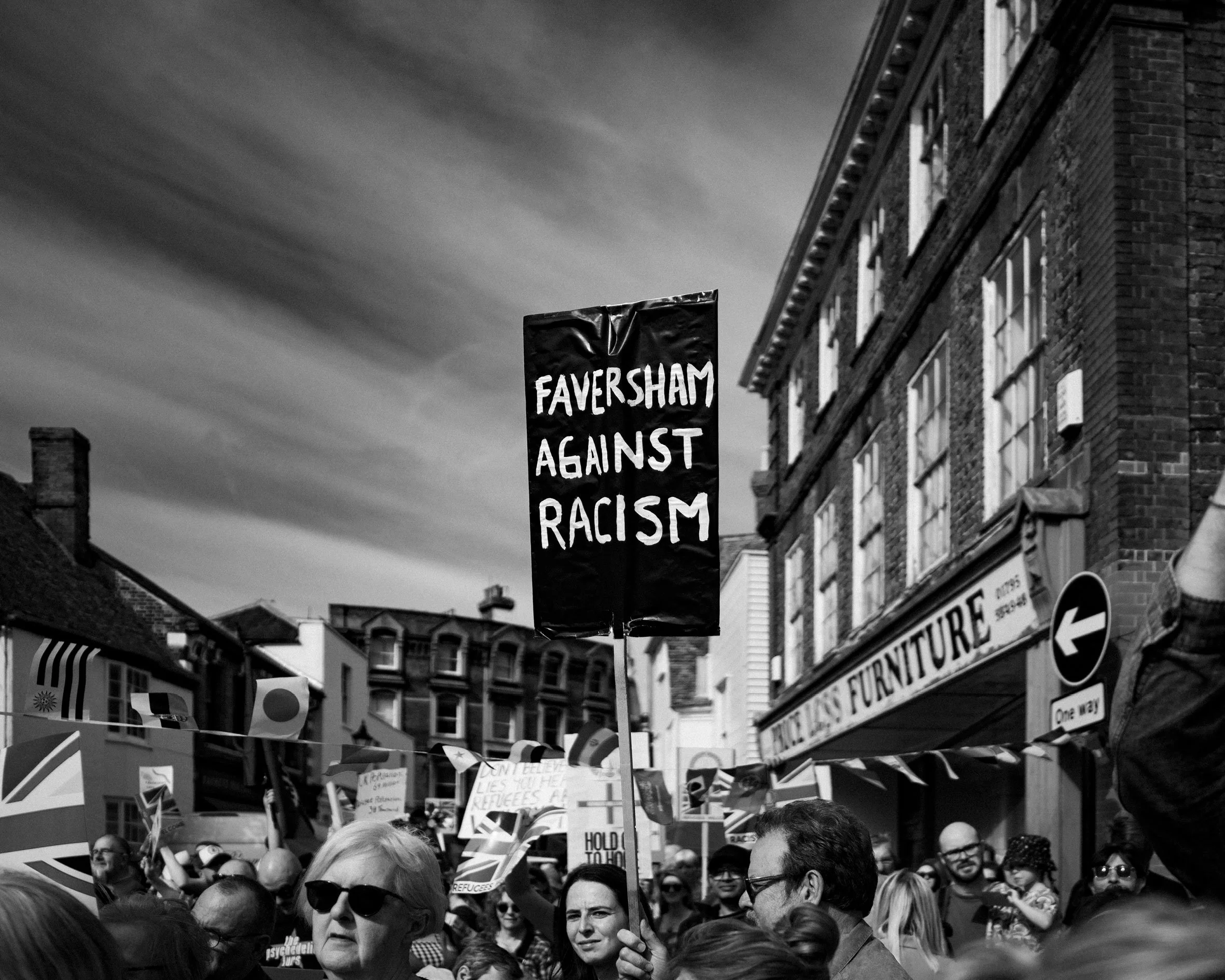
On Saturday 6th September 2025, the usually calm and welcoming market town of Faversham, Kent was shaken. For the past five years that I’ve called this place home, it has felt like a community rooted in acceptance and kindness. But this weekend, that sense of safety was put to the test.

An anti-immigration protest was organised to descend on our town. In response, a counter-demonstration quickly came together, people from Faversham and beyond standing against the far-right presence, and thankfully, outnumbering them.

In the days leading up to the protest, the signs were already there. Dozens of St George’s Cross flags appeared around Faversham. It should be a symbol of pride, community, and shared history, but instead, it had been hijacked yet again by fear, ignorance, and divisive rhetoric.

But, the message from the far-right is depressingly simple: “If you don’t look like me, sound like me, or worship like me, we don’t want you here.” It’s a message built not on truth, but on fear and misinformation, drip-fed through echo chambers and amplified online. Their hatred shown in both voice and of course, gestures.


On Saturday, the streets were loud. Both groups chanted, both stood firm. In the end, the counter-demonstrators chose not to escalate the situation, stepping aside to let the march continue rather than risk violence.


The far-right protestors headed towards Acacia Court, a facility used to house minors seeking asylum. At the time of the protest, I believe it held just two unaccompanied minors. Think about that, two children, alone in a foreign country, they were the supposed “threat” that justified a march of hatred.

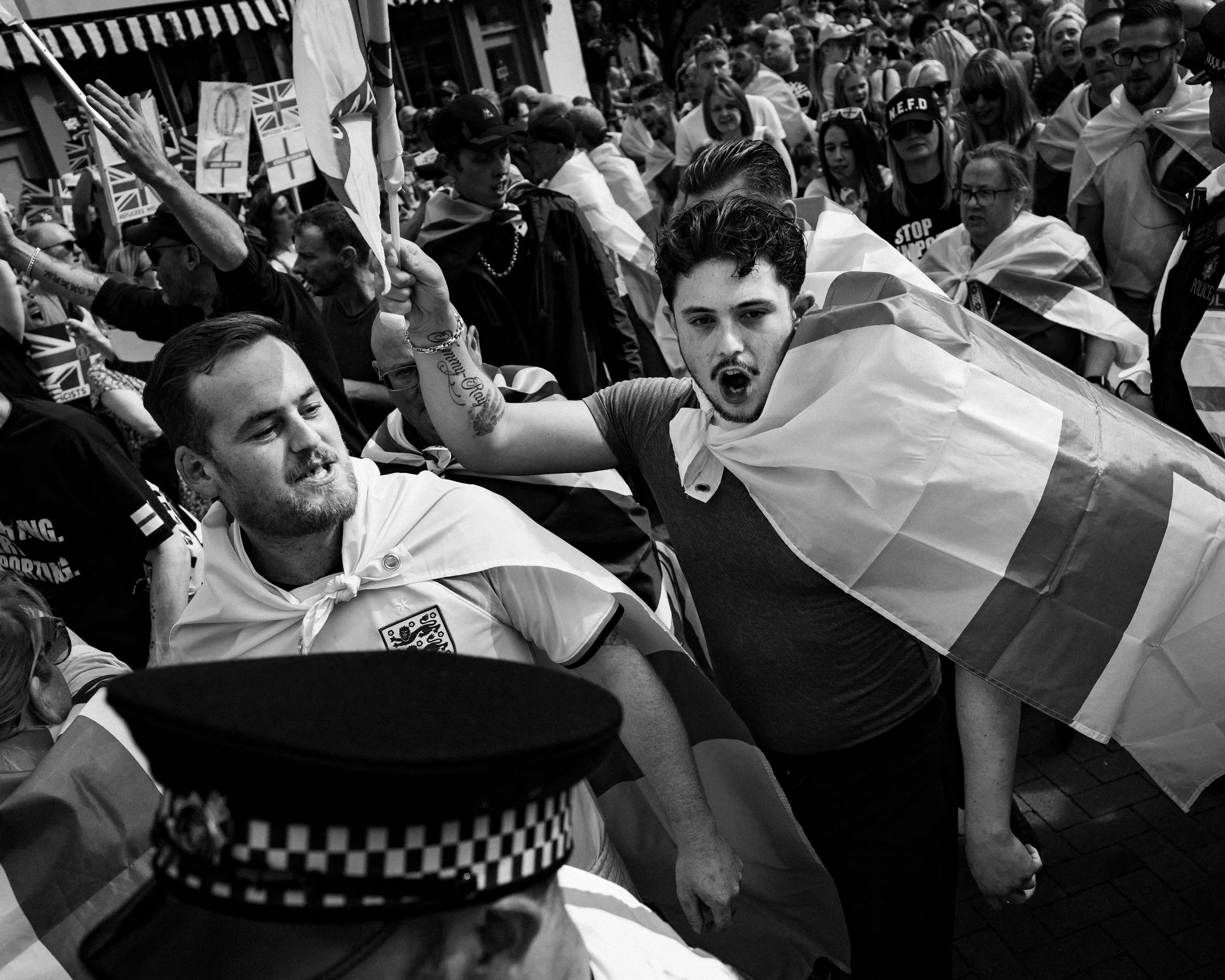
Thankfully, they were met once again by counter-demonstrators when they arrived. The thought of what might have happened if the far-right had broken through into the building doesn’t bear thinking about.

This weekend was more than just a protest. It was a sign of something deeper, a fracture in our society. People no longer talk. They consume the narratives handed to them via social media and between those who think similar, rarely questioning, rarely listening, and never challenging.

Ultranationalism has never ended well. History tells us that. When people define their pride in opposition to others, hating those they’ve never met, clinging to achievements they never made, the only outcome is disintegration.

We need to remind ourselves: the people crossing the Channel in small dinghies are not our enemies. They are human beings, fleeing circumstances we can barely imagine. If we want to find real threats to our communities, we need to look upwards, not sideways.
Those who come here with nothing are not breaking society. Those who sit on billion-dollar yachts while whole towns struggle to survive, they are the ones draining us.
Faversham stood up on Saturday. It showed resistance. But it also showed how fragile our sense of community can be in the face of manipulation. The real test ahead is whether we choose fear and division, or empathy, truth, and unity.

We are, and always will be, stronger together.
The Decline of Thought
We don’t think anymore. We consume. We scroll. We parrot. Rarely are our ideas our own. And this isn’t a coincidence, it’s by design.
We don’t think anymore. We consume. We scroll. We parrot. Rarely are our ideas our own. And this isn’t a coincidence, it’s by design.
Smartphones and social media have become a pacifier for many adults (let alone children). Hours vanish into TikTok or Instagram, life traded for cheap dopamine hits. Meanwhile, the number of people who don’t read is at a shockingly high level. The number who don’t read at all? Criminally high.
And this suits the powerful just fine. As Pieter Vanhuysse warns:
“An electorate that has lost the capacity for long form thought will be more tribal, less rational, largely uninterested in facts or even matters of historical record, moved more by vibes than cogent argument and open to fantastical ideas. If that sounds familiar, it may be a sign of how far down the path the West has already travelled.”
Or as The New York Times bluntly put it:
“Oligarchs attempting to shape policy to their advantage will benefit from the fact that few will have the attention span to track or change policies.”
An intelligent, critical population is dangerous. It notices inequality. It questions power. It fights back. But a distracted, dopamine-chasing one? Harmless. Easy to rule.
Which brings us to politics and figures like Nigel Farage. The masters of scapegoat politics. They point you “over there”: at immigrants, at trans people, at the poor. Never at the yacht-owning oligarchs, the billionaires, the real architects of inequality. A person in a dinghy is not your problem. The person in a £1bn yacht is. Immigrants didn't privatise British Gas, water, electric, rail, mail or telecoms. They didn't cut council funding or fill our seas with sewerage so that shareholders can get a bigger sum in their pockets. And they aren't the ones trying to now privatise the NHS, and when that's gone, well, just look at America to see the horrific outcomes of a private healthcare system.
And yet, while we argue among ourselves, trade insults on social media, flick through reels, and forget to read, the powerful get stronger. The cycle tightens.
Smartphones and social media aren’t just neutral tools anymore. They’ve become a cancer, eating away at thought, reason, community. And unless we break the cycle, we’ll keep stumbling further into tribalism, distraction, and decay.
So please, Read more. Think more. Play more. Create more. Stop trading your life for digital dopamine. Imagine what you could do with that time and a little effort. I removed myself from almost all social media platforms at the end of 2024. I have rejoined Instagram but with strict controls (a 20 minute timer then it's off) It has been a revolution in my life. I am easily addicted to things, so a cheap dopamine hit on me was too easy for the algorithms.
The decline of thought is not inevitable. But it will take intention to fight it. And fight it we must.
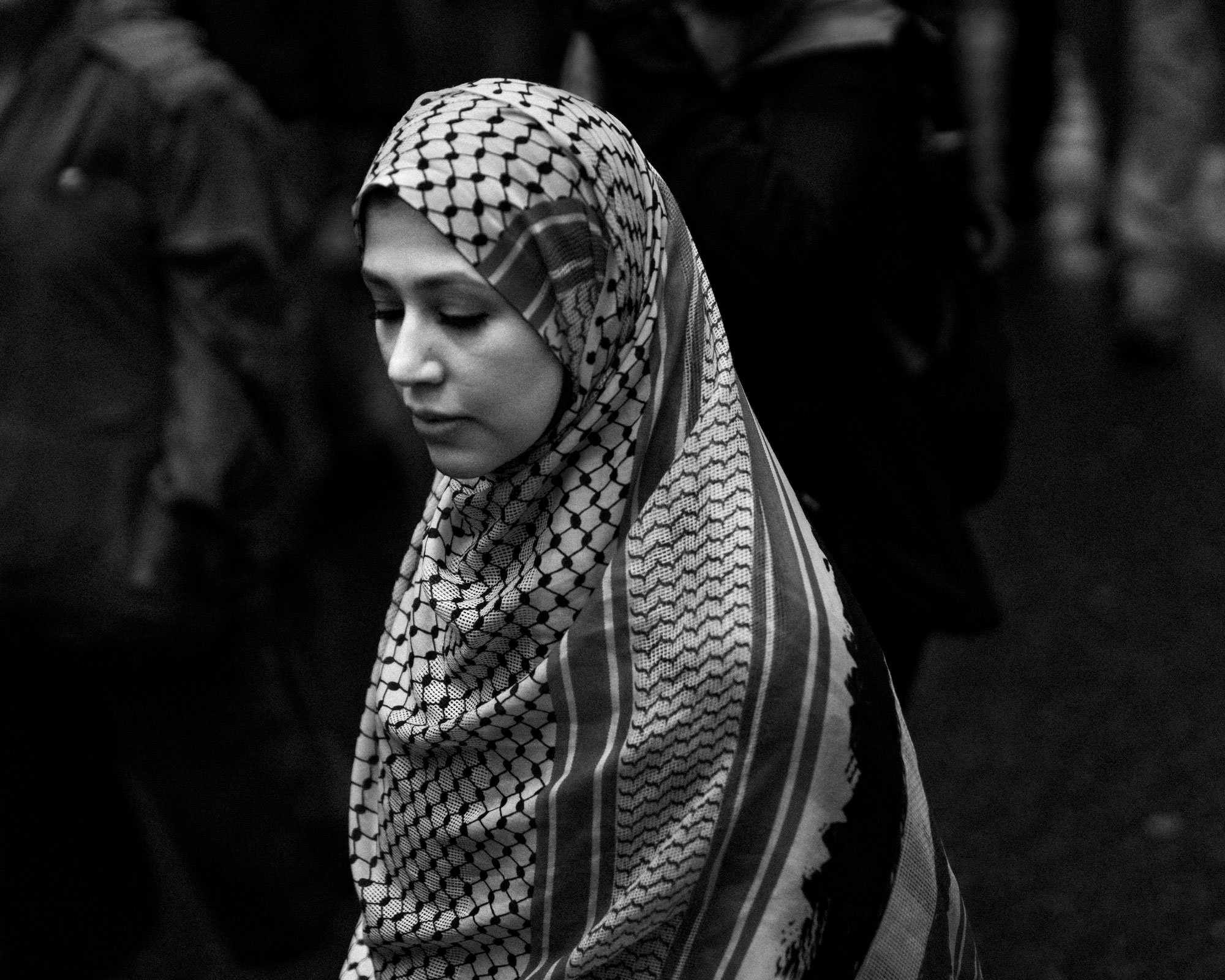
Photographing a Protest in the Rain, National March for Palestine, London – July 19
On Saturday 19th July, I joined an estimated 80,000 people in central London for the National March for Palestine. The forecast promised torrential rain, and for once, it didn’t disappoint. From the moment I stepped off the train, the sky unleashed its fury, but not even relentless downpours could drown out the voices calling for justice and an end to the suffering in Gaza.
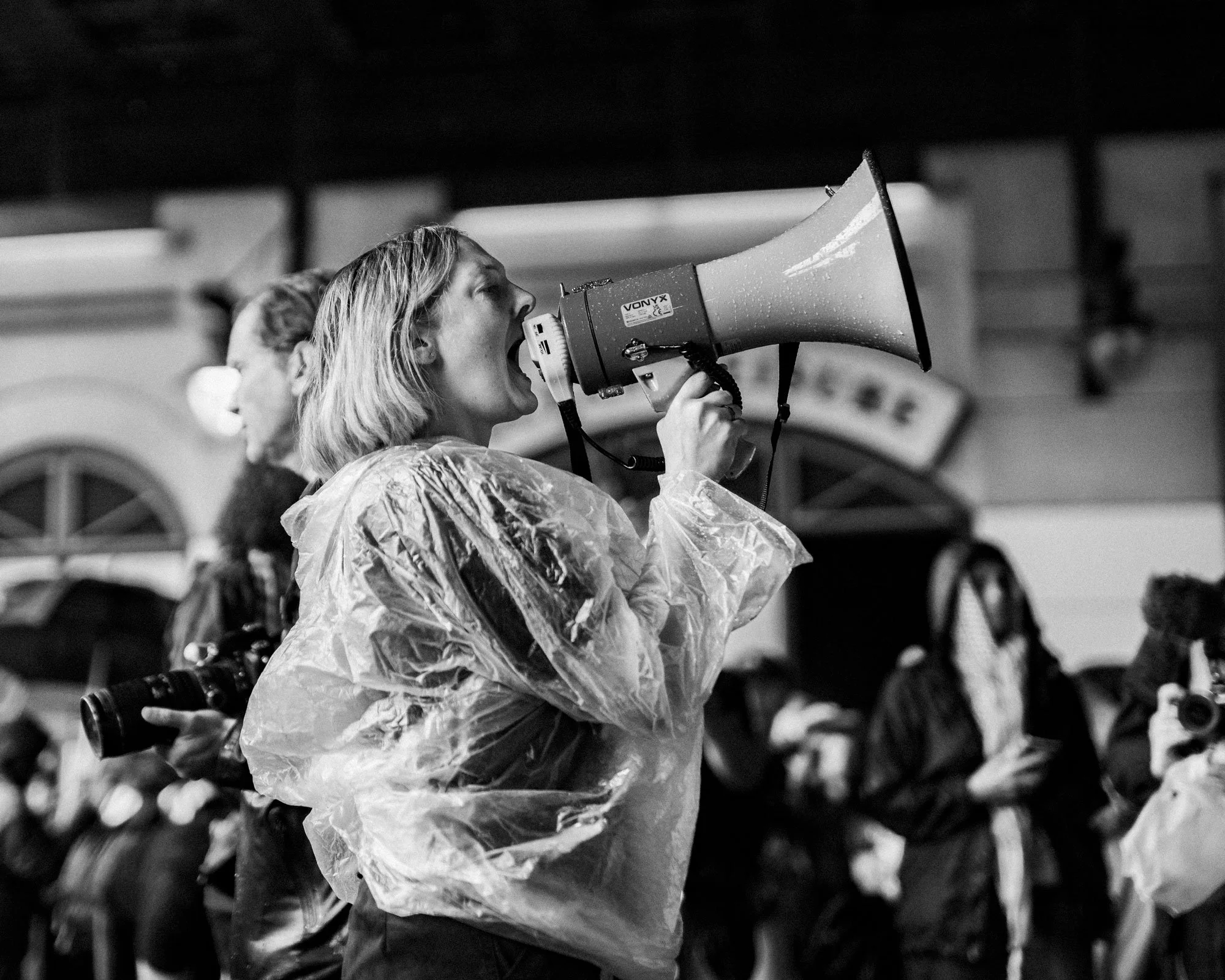
On Saturday 19th July, I joined an estimated 80,000 people in central London for the National March for Palestine. The forecast promised torrential rain, and for once, it didn’t disappoint. From the moment I stepped off the train, the sky unleashed its fury, but not even relentless downpours could drown out the voices calling for justice and an end to the suffering in Gaza.


As a photographer, I’m used to adapting to whatever conditions the day throws at me, but this was another level. Sheets of rain swept across the crowd, soaking banners, placards, and people alike, but the spirit remained unshaken. What struck me most was the sheer determination. The turnout was huge, and despite the elements, there was a powerful unity in the air, diverse communities marching side by side, chanting, singing, and standing up for what they believe in.


It’s a strange and disturbing time when holding a flag or peacefully protesting for the lives of Palestinian civilians can land you on the wrong side of a political narrative. To be labelled a threat for calling for a ceasefire, for opposing the bombing of hospitals and schools, feels dystopian. I’m ashamed of my government’s complicity and even more disillusioned with a police force that seems increasingly comfortable enforcing unjust mandates. History has taught us time and time again that "just following orders" is never an acceptable defence.


That said, the protest itself was overwhelmingly peaceful, if incredibly loud. As the march moved toward Downing Street, the weather gradually turned. The sun finally made an appearance, drying drenched signs and lifting dampened spirits. The shift in weather felt symbolic, a brief moment of light after weeks of devastation and darkness being inflicted overseas.
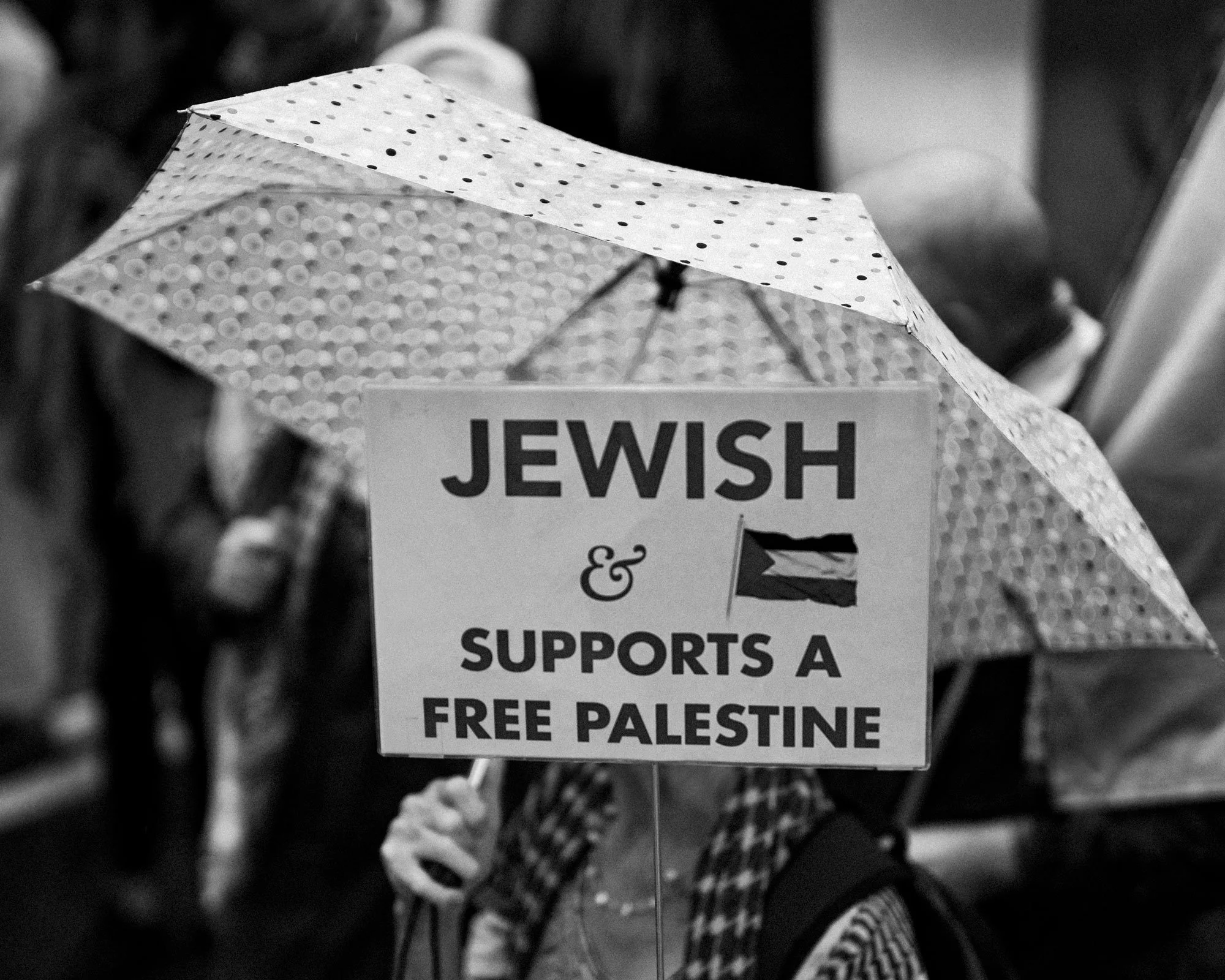

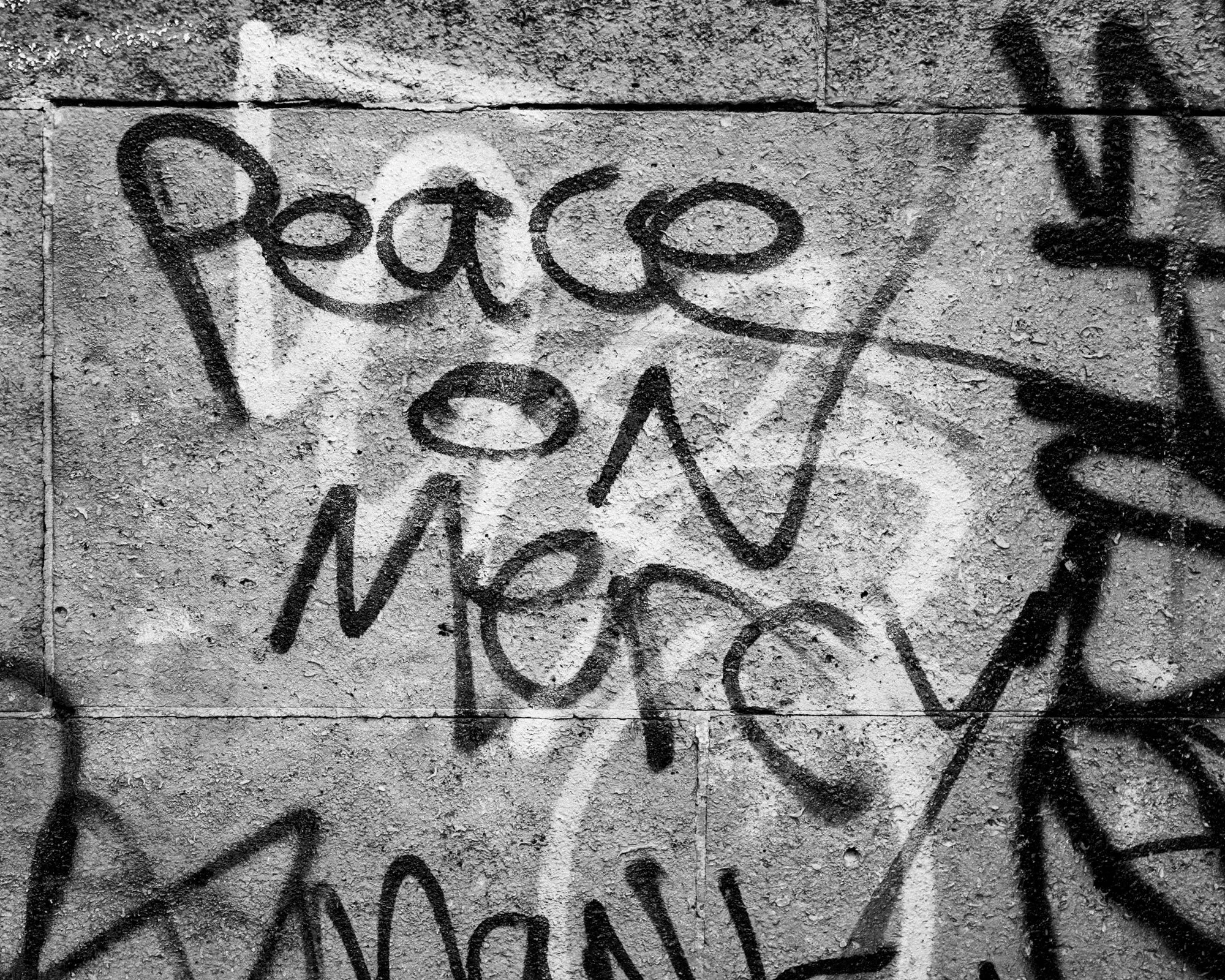
Photographing the protest, however, was a challenge. My camera, like me, wasn’t made for such wet conditions. It started acting up partway through, displaying error messages that I didn’t want to see in the middle of a massive crowd. Fearing permanent damage, I had to pack it away earlier than I would’ve liked. Thankfully, it’s since come back to life, but I can’t help but feel I missed capturing so many moments of resilience, beauty, and defiance that the day offered.


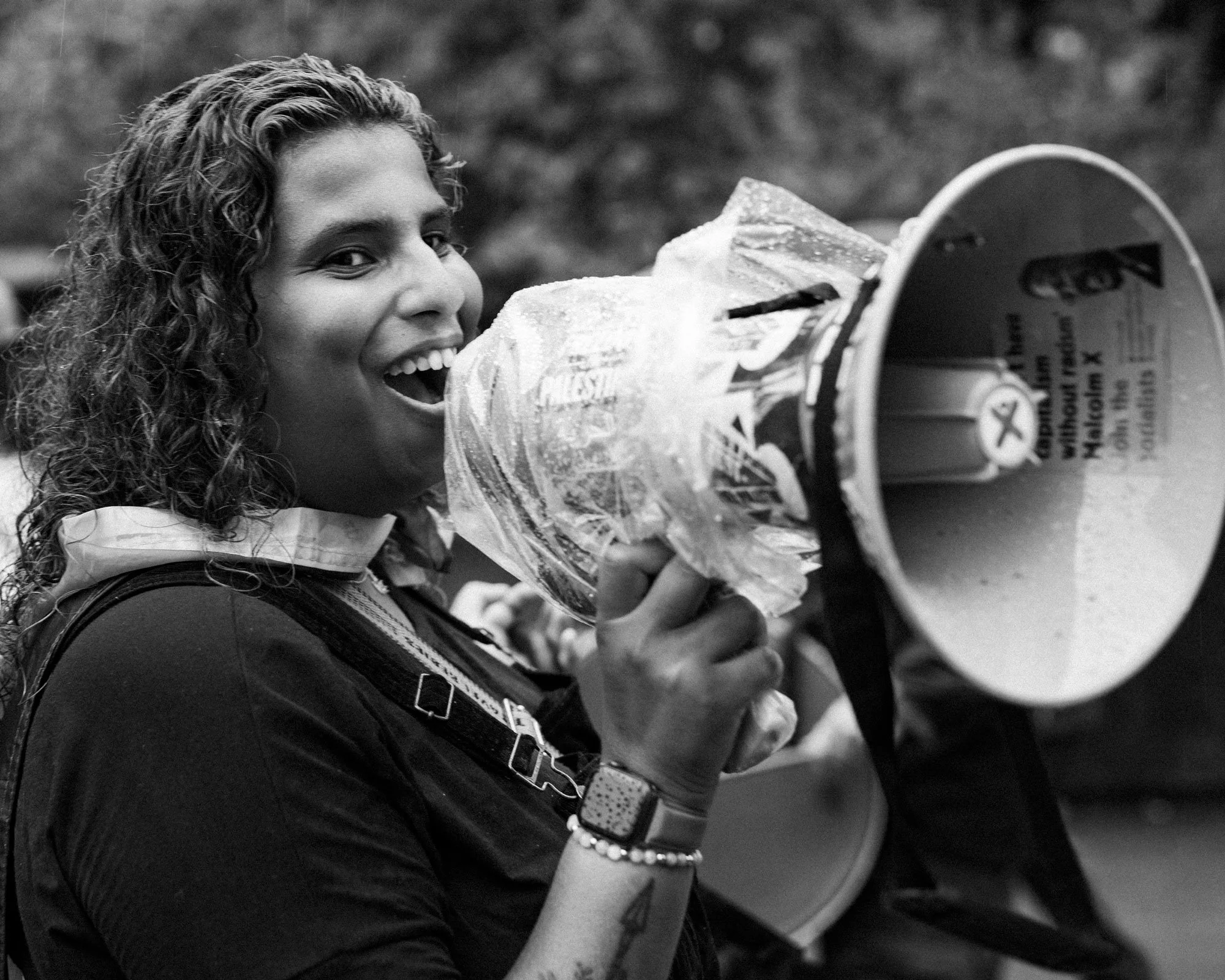
Still, what I did manage to document speaks volumes. The sea of umbrellas and the flags billowing in the wind, the drenched faces shouting for peace, it all tells a story. Not just of protest, but of people refusing to look away.
And that’s something worth photographing, rain or shine.


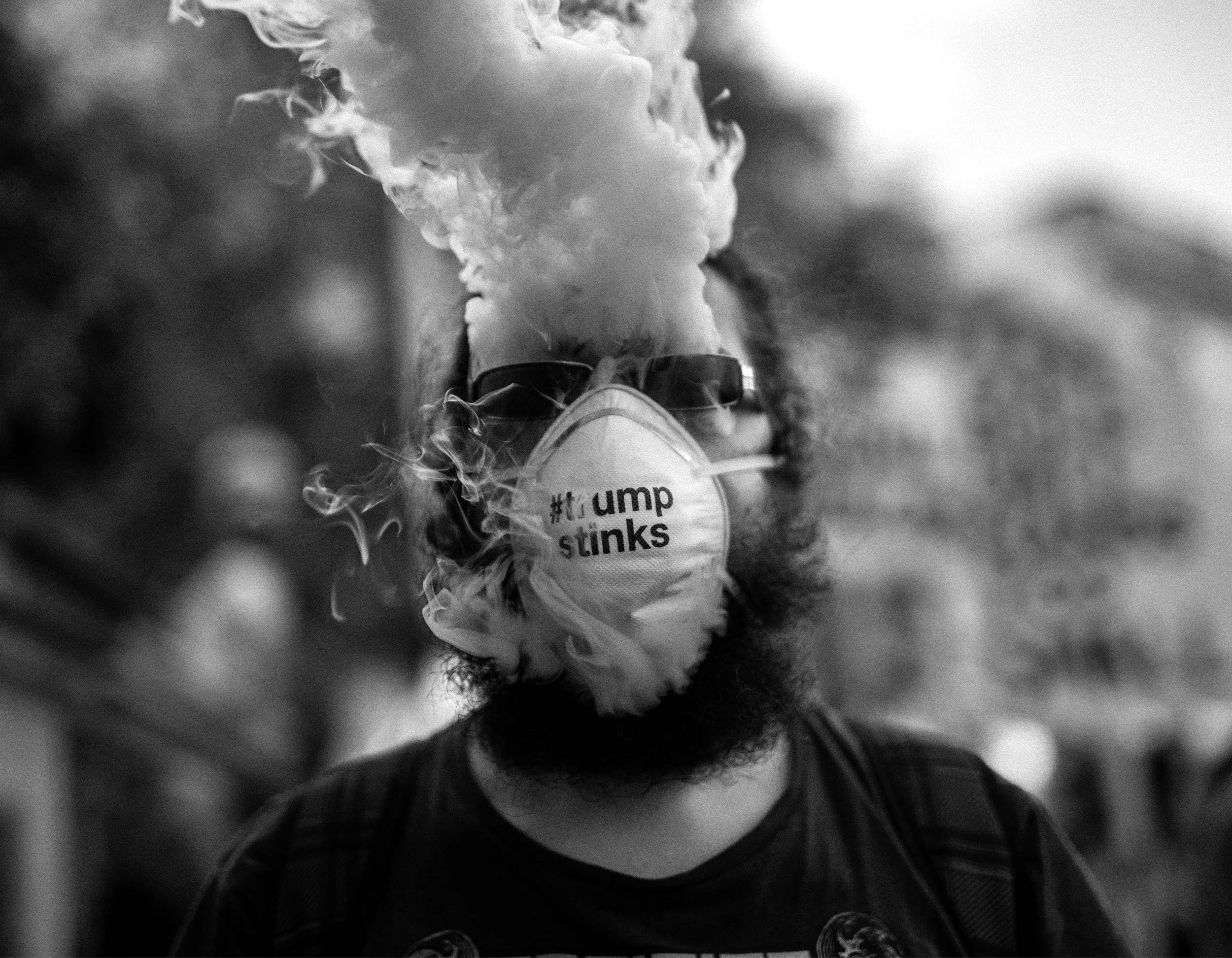
The Politics of Scapegoating
Politics has always had a flair for distraction. When the walls start closing in and the public begins to ask difficult questions, like why schools are underfunded, why hospitals are overcrowded, or why wages stagnate while the cost of living soars, the political elite reach for their oldest trick in the book: scapegoating.

Politics has always had a flair for distraction. When the walls start closing in and the public begins to ask difficult questions, like why schools are underfunded, why hospitals are overcrowded, or why wages stagnate while the cost of living soars, the political elite reach for their oldest trick in the book: scapegoating.
“Look over there,” they cry. “It’s them, they're the problem!” In the past, it was Communists, Black people, Indian people, Gay people. Now, the spotlight of blame shines on trans people, Muslims, and immigrants. The targets shift, but the playbook stays the same.
Why? Because scapegoating works, until people start seeing through it.
Let’s call it what it is: a con. While we're busy arguing about bathrooms, borders, and headscarves, politicians are quietly dismantling the public sector and selling off what’s left to the highest bidder.
They strip public assets, schools, hospitals, postal services, and funnel the proceeds into the pockets of the already wealthy. These are not the actions of responsible leaders trying to manage a struggling economy. These are the actions of public thieves.
Take Nigel Farage, for instance. He blames immigrants for everything from housing shortages to the NHS crisis. “We can’t afford it anymore,” he says, referring to one of the UK’s most cherished institutions.
But let’s be clear: we absolutely can afford the NHS.
Does it need reform? Perhaps. Should experts be involved in making it better? Absolutely. But what Farage and those like him really want is to privatise it. Not to fix it, but to monetise it—to let pharmaceutical giants and private insurance companies carve it up and feast on its remains.
And who pays the price? You do.
Your taxes won't go down. Your services will.
Instead of receiving care through a publicly funded system, you’ll be forced to buy insurance policies, like millions of Americans who face medical bankruptcy for the crime of getting sick.
The truth is uncomfortable but unavoidable: Islam is not the problem. Immigrants are not the problem. Trans people are not the problem. Greed is the problem.
And those who weaponise that greed, the politicians, lobbyists, media moguls, and corporate donors, are the ones pulling the strings.
They take positions of power not to serve the public, but to enrich themselves, using fear and division as tools to keep us distracted. They invent enemies so we don't notice the real one: a system that’s being rigged in real time against the people it’s meant to serve.

More and more of us are waking up. We see through the scapegoating. We understand that every time a politician points a finger at a vulnerable group, we should ask: What are they trying to hide?
We must stop falling for the bait. Stop letting ourselves be distracted by lies that pit us against one another. Start demanding accountability, transparency, and policies that serve the many, not just the few. Because when we finally look past the scapegoats, we’ll see the truth staring right at us:
The problem isn't over there. It's at the top.
Escalation and Diversion
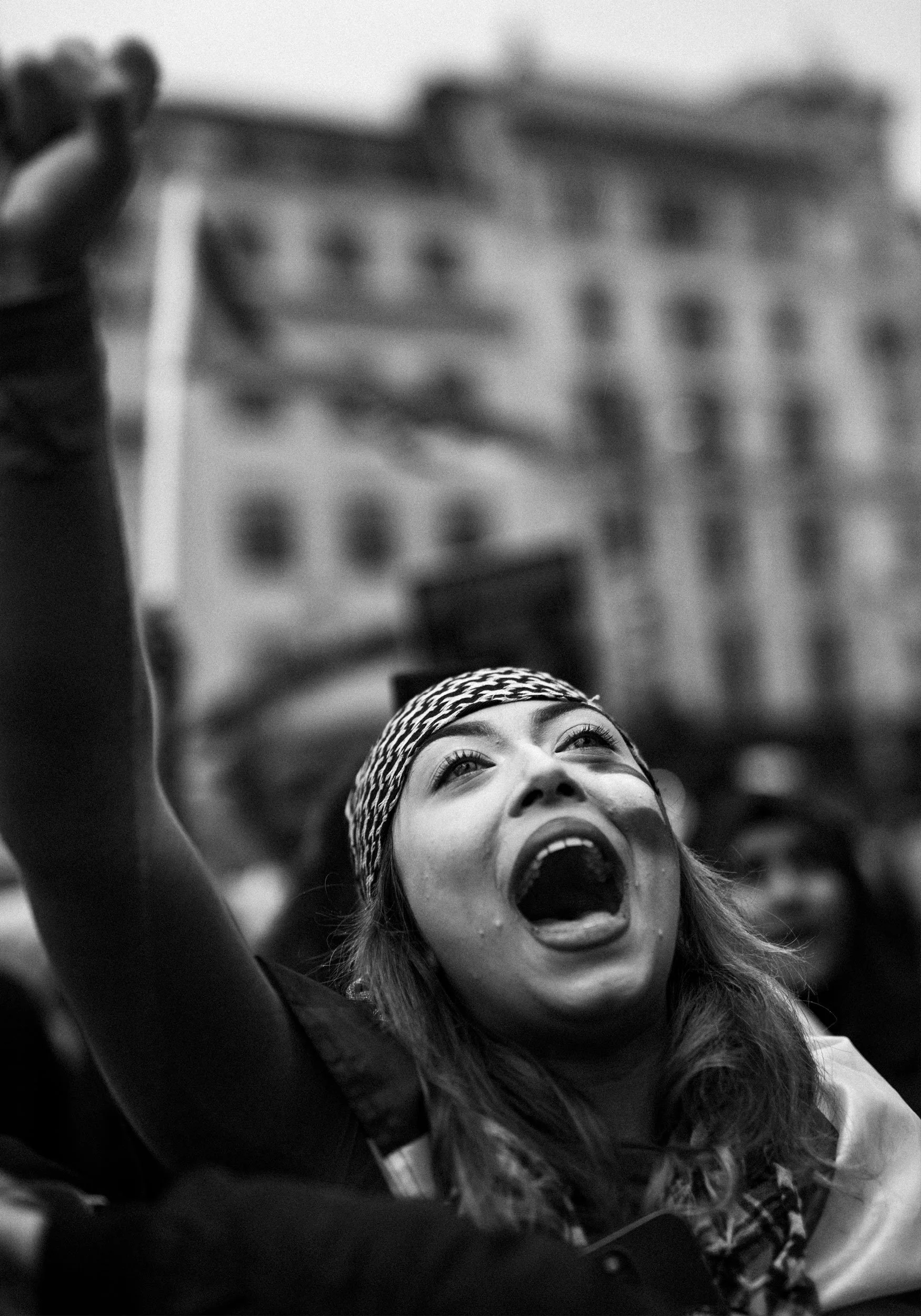
As tensions escalate in the Middle East, the spectre of a new Israeli military action against Iran is once again looming over the region. Officials in Tel Aviv cite threats from Tehran’s nuclear ambitions and regional proxies as justification for potential strikes. However, critics warn that this aggressive posturing may serve another, more cynical purpose: deflecting global scrutiny from Israel’s ongoing military campaign in Gaza.
As tensions escalate in the Middle East, the spectre of a new Israeli military action against Iran is once again looming over the region. Officials in Tel Aviv cite threats from Tehran’s nuclear ambitions and regional proxies as justification for potential strikes. However, critics warn that this aggressive posturing may serve another, more cynical purpose: deflecting global scrutiny from Israel’s ongoing military campaign in Gaza.
In recent months, Israel’s actions in Gaza have drawn increasing international condemnation. Civilian casualties have mounted, and humanitarian organizations have decried what they describe as disproportionate use of force and collective punishment. Yet, despite these concerns, meaningful accountability has remained elusive. Many observers argue that Western governments, particularly the United States and some European allies, have continued to offer near-unconditional diplomatic and military support to Israel.
Now, with headlines turning once more to Iran, a familiar pattern appears to be re-emerging. The narrative of existential threat, while not without historical context, can be a powerful tool for shifting focus. An Israeli strike on Iranian targets, whether pre-emptive or retaliatory, would dominate international news cycles, potentially side lining the human cost of the Gaza offensive.
Critics argue that the justification for such a strike often relies on contested intelligence and speculative threats. They recall how similar narratives were used to justify past military interventions in the region, many of which resulted in protracted conflicts, civilian suffering, and long-term destabilization.
This moment calls for heightened scepticism and moral clarity. It is not conspiratorial to question the motives behind sudden escalations, especially when they follow a playbook that has been used before. It is responsible citizenship. Western governments must not allow themselves to be drawn into another conflict based on partial information or political convenience. They must also hold allies accountable when international law and human rights norms are breached.
The people of Gaza and Iran alike deserve peace, dignity, and a future free from the cycles of war and retaliation. To achieve that, the world must look beyond official narratives and insist on transparency, justice, and above all, humanity.
Why I'm an Anarchist: A Personal Reflection on a System That Doesn’t Serve Us
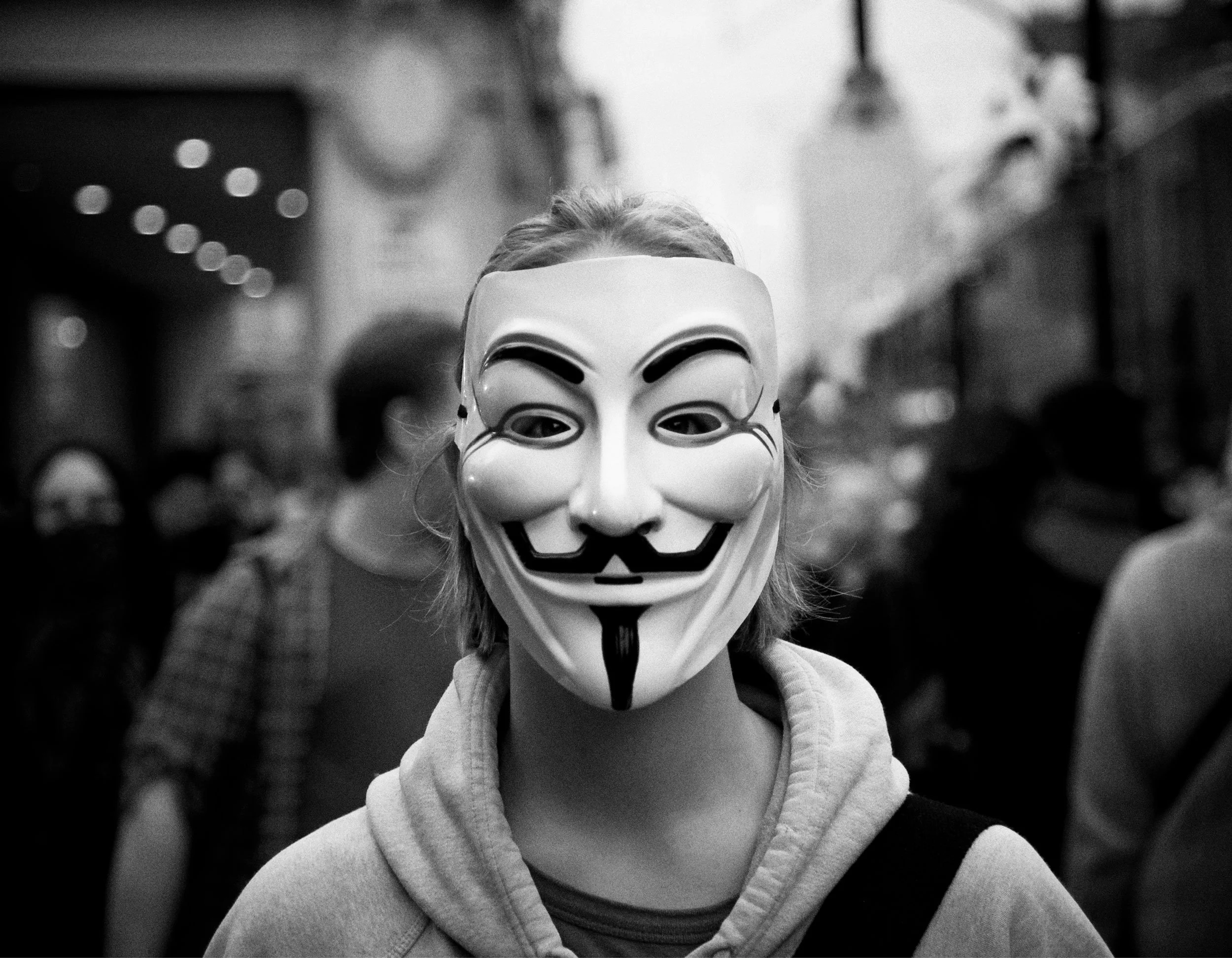
I didn’t wake up one day and decide to be an anarchist. It wasn’t a rebellion for rebellion’s sake, or some teenage reaction against authority. It was a slow realisation, built up over years of watching the same story play out over and over, regardless of which party had the keys to Number 10.
I didn’t wake up one day and decide to be an anarchist. It wasn’t a rebellion for rebellion’s sake, or some teenage reaction against authority. It was a slow realisation, built up over years of watching the same story play out over and over, regardless of which party had the keys to Number 10.
I used to believe in democracy, or at least the version we were sold. That if we voted, stayed informed, followed the rules, things would get better. That the people we elected would serve us. Represent us. Protect us. But it didn’t take long to see that wasn’t happening, and maybe never had.
Consecutive governments, both Labour and Conservative, have promised change. They’ve used slick campaigns, focus-grouped slogans, and endless media spins to convince us that they're "for the people." But behind the curtain, very little has actually changed, except for the worse.
What I realised is this: the system isn’t broken. It’s doing exactly what it was built to do. It transfers wealth and power upward, from ordinary working people to corporations, elites, and those who already have more than they could ever need. It's a system that rewards tax avoidance and punishes poverty, where lobbyists have more influence than voters, and where public services are carved up and sold off like spare parts in a scrapyard.
The media, especially the mainstream press, acts as a kind of PR machine for this charade. They frame the debate, control the narrative, and keep us divided, left vs. right, working class vs. immigrant, public vs. private—so we don’t unite and ask the bigger question: Why do we keep voting for people who do not work for us?
I’ve asked myself that a lot. Why do people still cling to the hope that one more general election, one more charismatic leader, one more "centre-ground" policy will fix everything? Maybe it's because we've been raised to think this is the only way, that government, as flawed as it is, is all we’ve got.
But I don’t buy that anymore. The truth is, governments are structurally incapable of making people’s lives better in a meaningful, lasting way. Not because the individuals in them are all bad people (though plenty are), but because their very design puts power in the hands of a few, and asks us to trust they won’t abuse it.
Spoiler: they always do.
That’s why I’m an anarchist. Not because I want chaos or lawlessness, but because I believe in something better. I believe in communities organising for themselves, in mutual aid, in decentralised decision-making. I believe in dismantling systems of control that put profit above people, and replacing them with networks of care, solidarity, and shared responsibility.
We need a society where people have real power over their own lives. Where wealth and resources are shared fairly. Where no one is left behind, and no one gets to sit above the rest and call it leadership.
Anarchism, to me, isn’t about tearing everything down for the sake of it. It’s about building something new, something honest. And that starts with refusing to play along with a system that has never worked for us, and never will.

Image was taken at a protest in London
Why Black and White Still Captivates Me
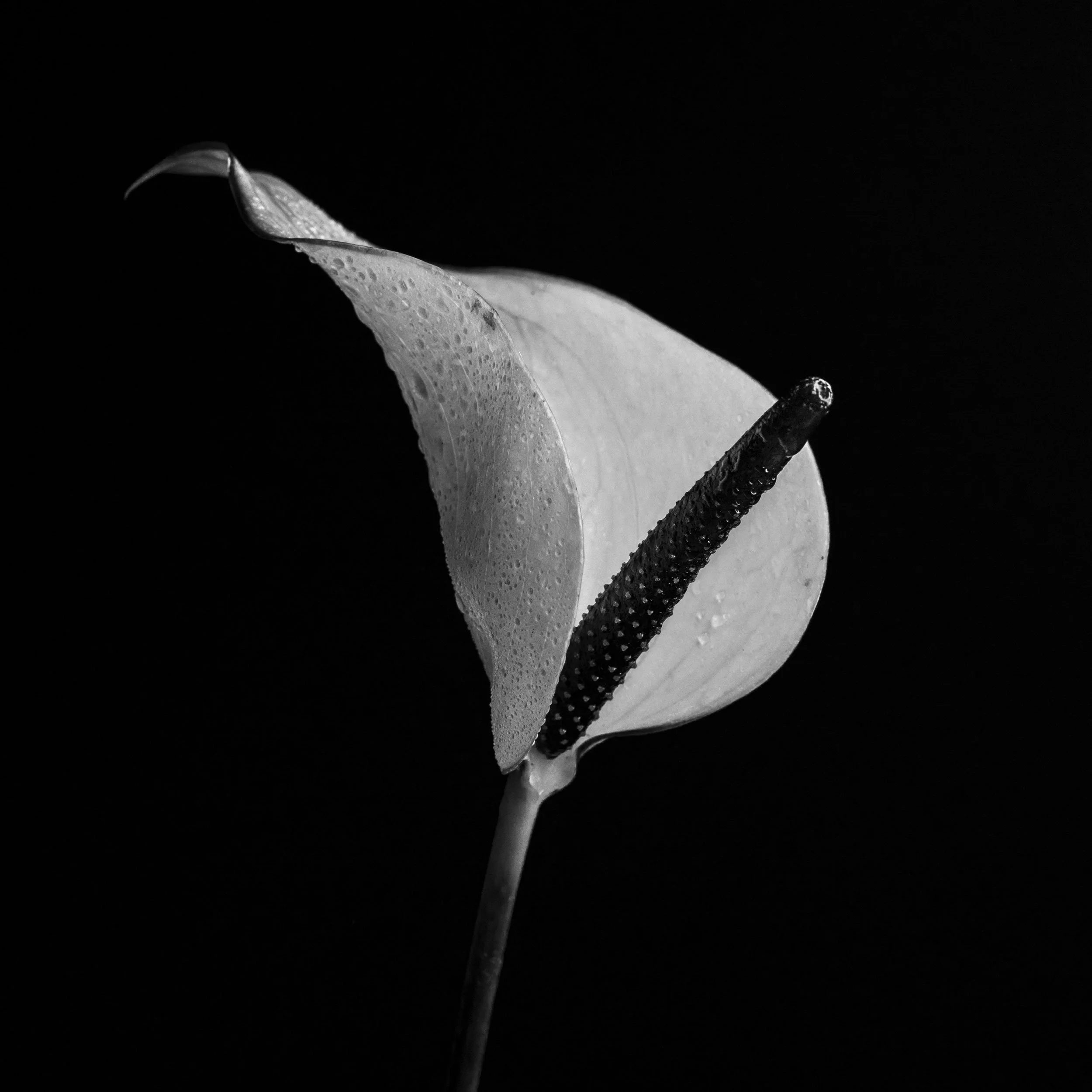
There’s something about black and white that continues to pull me in, no matter how much the world leans into colour. As someone who works across sensual nude, portraiture, sport, street photography and more, I’ve come to appreciate just how timeless and powerful these two tones really are. Black and white isn’t just a stylistic choice for me. It’s a mindset. A way of seeing.
There’s something about black and white that continues to pull me in, no matter how much the world leans into colour. As someone who works across sensual nude, portraiture, sport, street photography and more, I’ve come to appreciate just how timeless and powerful these two tones really are. Black and white isn’t just a stylistic choice for me. It’s a mindset. A way of seeing.

When I shoot in black and white, especially in my sensual portrait work, I’m reminded that the human body doesn’t need colour to be expressive. Texture, form, light, shadow, those are the real storytellers. Removing colour peels away the noise. What’s left is vulnerability, strength, softness and tension. All the contradictions that make us human. In many ways, it allows me to photograph not just what the subject looks like, but what they feel like.

Street photography in black and white hits differently. Without colour to seduce or distract, you see the grit of a city, the tension in a gesture, the geometry of a shadow falling across pavement. It feels more documentary, more direct. There’s no place to hide. I think that’s why I keep returning to it, because black and white feels like truth, even if it’s not always beautiful. Or maybe because it is.

Sport is fast. Chaotic. Full of adrenaline and movement. But in black and white, something changes. There’s a kind of poetry in the freeze-frame, a single drop of sweat, the twist of a body mid-air, the quiet before impact. The drama doesn’t need neon lighting or vibrant uniforms. It lives in contrast. In motion frozen just long enough to feel it.

I love colour. I use it often even though I am challenged by being colourblind. But there’s a certain kind of photograph that just demands to be in black and white. Sometimes I don’t even realize it until I see it that way. A shadow on a wall. A face in the half-light. A street corner at 5 a.m. Black and white has a way of turning the ordinary into something cinematic. Iconic, even. Like it’s always been waiting to be seen.

Some of the photographers I admire most, both classics and contemporaries, built their bodies of work in black and white. It’s a language with history. Referencing it in my own work feels like a quiet handshake with the past. It keeps me grounded, especially when I’m exploring genres as different as nudes and street. No matter the subject, black and white creates a thread between images. A throughline of tone and intention.

For me, black and white isn’t about nostalgia. It’s about impact. It’s about intimacy. It's about showing less but saying more. I use it not just because I’m colourblind, it’s because I want the viewer to feel something without being told what to feel.
In a world chasing more, more colour, more resolution, more everything, I find peace in less. And black and white reminds me that simplicity still speaks the loudest.

The Rise of Nigel Farage: The Final Nail in the Coffin
For over a decade, anyone paying close attention could see it coming: the slow, deliberate path clearing the way for Nigel Farage. A man who has been allowed to shape Westminster and British politics more than most Prime Ministers
The Rise of Nigel Farage: The Final Nail in the Coffin
For over a decade, anyone paying close attention could see it coming: the slow, deliberate path clearing the way for Nigel Farage. A man who has been allowed to shape Westminster and British politics more than most Prime Ministers. His role? To be the charismatic frontman for an elite game, one that ends with the dismantling of Britain’s last great public institutions: the NHS and the state pension.
This isn’t about immigration. It never really was. That’s just the distraction and it’s an effective one. Stir up anger, point to the "other", flood social media with fear and fury, and soon people are too enraged to notice what's really being taken from them. Farage’s rise is not organic. It’s not just populism. It’s by design. A tool to direct public anger exactly where those in power want it: away from them.
The groundwork was laid long ago. Successive Tory governments hollowed out the NHS while publicly claiming to support it. Labour, terrified of being called "soft" or "unelectable", offered little resistance, and then when elected, followed the same path of destruction. The result? The NHS is on life support. State pensions are eroded. Services are failing. But no one will admit the obvious: this has all been intentional.
It’s not just mismanagement, it’s sabotage.
But there’s a problem. People like the NHS. The state pension, too. Even the most hardened Tory voters get uneasy at the idea of losing these things entirely. So how do you get rid of them?
You find someone who can do it for you. Someone who can whip up so much anger, fear, and nationalism that people won’t realise what they’re giving away until it’s gone.
Enter Farage. The Distraction.
Farage knows exactly which buttons to press. He doesn’t need detailed policy. Just a clear villain: immigrants, the EU, “woke culture” pick one. His supporters don’t demand solutions, they demand scapegoats. And while everyone’s looking over there, his backers (those who truly run Britain) are looking at what’s left to privatise.
Make no mistake: Farage’s job is not to fix Britain. It’s to finish off what the Tories and Labour have weakened but couldn’t fully kill. He’s the executioner. The man who will end the NHS, under the cover of “reform” and “efficiency.” Who will let the state pension die while insisting he's saving the country from made-up crises. And people will vote for it. They'll cheer for it.
This isn’t the first time it’s happened. Brexit was the dress rehearsal. A vote rooted in fantasy, lies, and nationalism that now costs the country over £100 billion a year. People voted for it with pride. Only now, years later, are they beginning to realise what they did—and how deeply they were manipulated.
And here we are again. The same anger. The same scapegoats. The same media machine pumping out misinformation. And once again, people are ready to vote not out of hope, but out of fury. Even if it means burning down their own house.
If Farage gains real power, it won't be because he had the best ideas. It will be because those who should have protected Britain, Labour and the Tories, chose instead to protect their donors, their image, and their place in the system. Their failure created the vacuum Farage is now filling.
But this time, the consequences will be permanent.
Once the NHS is gone, it won’t come back. Once pensions are gutted, they won’t be restored. Britain will have handed over its last safety nets, and done so smiling—waving flags, blaming migrants, celebrating their "freedom."
And when the dust settles, many will ask: how did we get here?
The answer will be simple.
You were played.
Exploring Grain Battery Tower
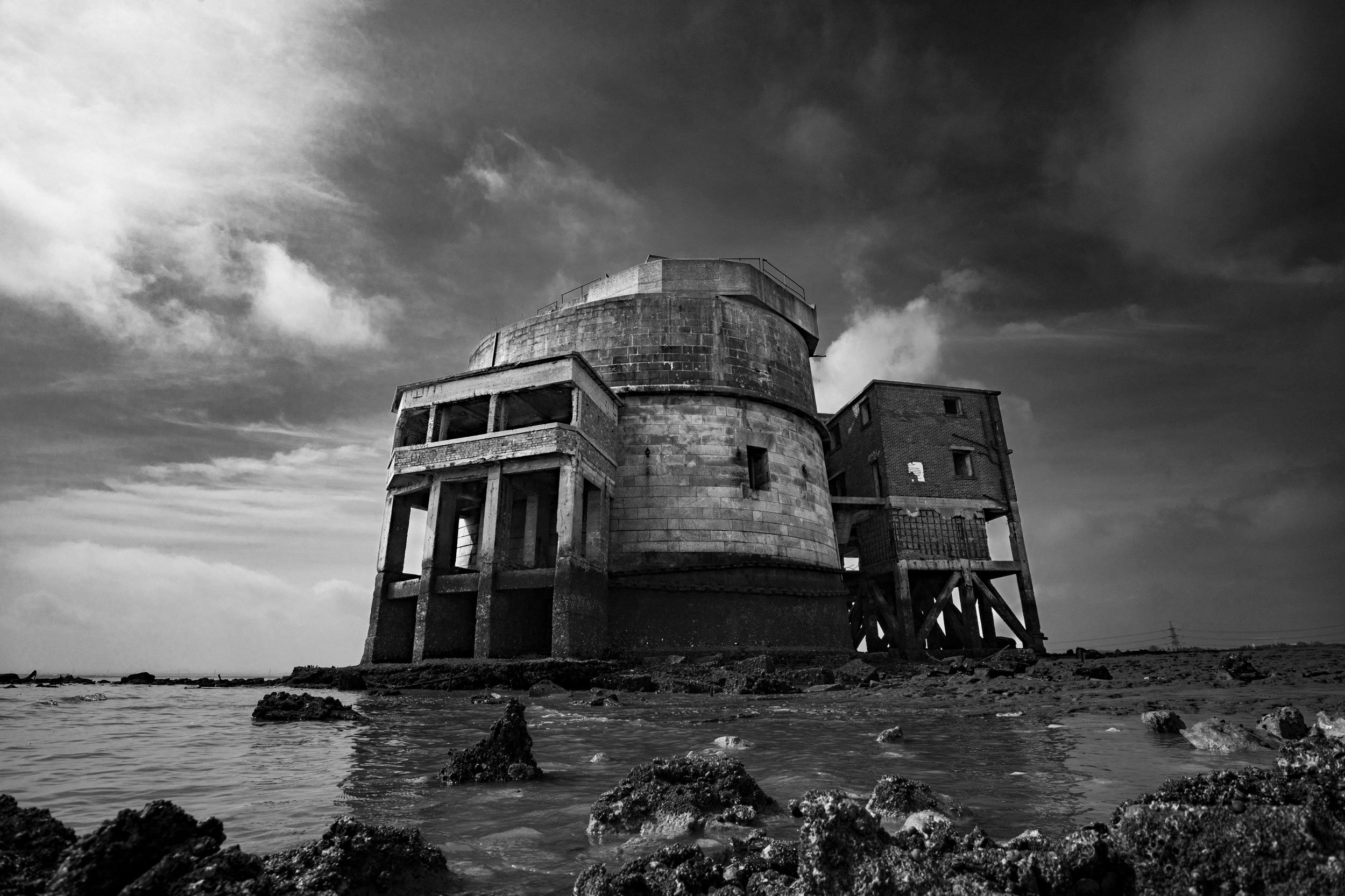
Last weekend, I took my 15-year-old daughter and her boyfriend on their first proper Urbex (urban exploration) mission, and what better place to kick it off than Grain Battery Tower?
Last weekend, I took my 15-year-old daughter and her boyfriend on their first proper Urbex (urban exploration) mission, and what better place to kick it off than Grain Battery Tower?


If you’ve never heard of it, this derelict mid-19th-century gun tower sits about half a mile into the Thames Estuary, right at the mouth of the River Medway. It looks like something from a post-apocalyptic movie — standing alone out in the mudflats, weathered and rusted, slowly being reclaimed by the elements. In other words, perfect for a bit of exploring.


Reaching the tower is an adventure in itself. At low tide, you can walk across the estuary bed — flat, silty, and slightly eerie — straight to the structure. It’s hard to believe it was once a military fortification. These days it looks more like a relic from another world.
It was great seeing the excitement (and slight nerves) on the kids’ faces as we made our way out. They were full of questions and just the right amount of cautious curiosity. Definitely beats sitting indoors.

Up close, the tower is hauntingly beautiful. Rusted iron, crumbling concrete, and the sound of wind echoing through its broken chambers. But make no mistake — this place is seriously derelict.

Since the last time I visited, it’s deteriorated a lot. Many of the old metal railings have completely rusted away and fallen into the water. The ones that remain don’t exactly inspire confidence, more like a game of "how much do you trust your own balance?"

Inside, there are old staircases, half-collapsed rooms, and the constant reminder that time and tide are the true rulers here. We were careful, the footing is unpredictable, and some of the floors are definitely not what they used to be.

If you’re thinking of visiting Grain Battery Tower, here’s the number one rule: know your tide times. The estuary is very flat, which means when the tide turns, it comes in fast. The walk that took you leisurely out there can vanish quickly under several feet of water.

We made sure to head back with plenty of time to spare. Even then, you could see how quickly the water was beginning to return. It would be easy to misjudge and end up stranded, or worse.

Also, please be respectful of the site. It’s not a tourist attraction, it’s a forgotten piece of history slowly being swallowed by the sea. Don’t leave litter, don’t try to take souvenirs, and don’t go alone. This place is incredible, but it’s also dangerous.


Watching my daughter and her boyfriend take it all in was the best part of the day. They got to see a side of the world that’s raw, real, and a little risky — the kind of experience that sticks with you.

Grain Battery Tower is an unforgettable spot for urbex lovers and history buffs alike. Just make sure you're well-prepared, tide-aware, and ready to experience a hauntingly beautiful slice of Britain's forgotten coast.
Have you been? Thinking about going? Let me know your stories — or drop a question if you want tips before heading out!
Why It Might Be Time to Ditch Meta and Twitter as a Photographer
For years us photographers have relied on platforms like Instagram, Facebook, and Twitter to showcase our work, connect with an audience, and even find job opportunities. But as 2025 rolls on, it’s becoming increasingly clear that these platforms no longer serve us the way they once did. I made the decision to close all my social media accounts in December 2024, and while that left a void, I’ve been more than happy to fill it with BlueSky and Substack. Here’s why you might want to consider making the switch too.
For years us photographers have relied on platforms like Instagram, Facebook, and Twitter to showcase our work, connect with an audience, and even find job opportunities. But as 2025 rolls on, it’s becoming increasingly clear that these platforms no longer serve us the way they once did. I made the decision to close all my social media accounts in December 2024, and while that left a void, I’ve been more than happy to fill it with BlueSky and Substack. Here’s why you might want to consider making the switch too.

The Trust Factor (or Lack Thereof)
The billionaire owners of Meta and Twitter have proven time and time again that they can’t be trusted. Whether it's data privacy concerns, algorithmic manipulation, or just a blatant disregard for the user experience, these platforms prioritise their profits over the communities they claim to serve. Why should we, as photographers, continue to share our work, our data, and even our dollars with corporations that don’t value us?
Let’s be honest, Elon Musk wouldn’t hesitate to ditch you in a second if it served his bottom line. And Meta? They’ve made it increasingly difficult to reach your own audience without paying for it. It’s exhausting and, frankly, exploitative.
The Engagement Problem
Instagram, in particular, has become a nightmare for organic reach. Despite having nearly 10,000 followers, my posts would average only 50 likes. The shadowbanning was so severe that posting became an exercise in futility. Meanwhile, on BlueSky, where I’ve been active since January 2025, I’ve already gained 1,700 followers and experience genuine interaction, averaging nearly 200 likes per post.
The difference is night and day. On BlueSky, people actually see my work. They engage, they comment, they share. It’s the kind of interaction that Instagram once promised but no longer delivers.
Alternative Platforms Worth Exploring
Of course, not all social media is bad. There are still platforms with potential:
BlueSky: For those who enjoy simply posting images and engaging in a community that values photography, BlueSky is a breath of fresh air. It reminds me of what Instagram used to be before it became a pay-to-play system.
Substack: A fantastic platform for photographers who enjoy writing about their work, sharing insights, and building a more dedicated audience.
TikTok & YouTube: If you’re comfortable in front of a camera, these platforms can be incredibly powerful for storytelling and reaching new audiences. Personally, I’m not a natural in front of the camera, but I recognise their potential.
The Future of Photography Online
The days of relying on Instagram or Facebook to showcase our work effectively are over. These platforms are designed to keep us hooked, but not necessarily to help us thrive. If you’ve been feeling the frustration of dwindling engagement, shadowbanning, or just a lack of control over your own content, it might be time to move on.
For me, BlueSky has been the answer I didn’t know I was looking for. It’s given me back the joy of sharing photography without the frustration of fighting an algorithm. And that, more than anything, is why I won’t be going back to the old platforms anytime soon.
If you’ve been on the fence about leaving Instagram, Facebook, or Twitter, take the leap. You might just find, like I did, that better opportunities for connection and creativity are waiting elsewhere.
The Emotional Impact of Nude Monochrome Imagery
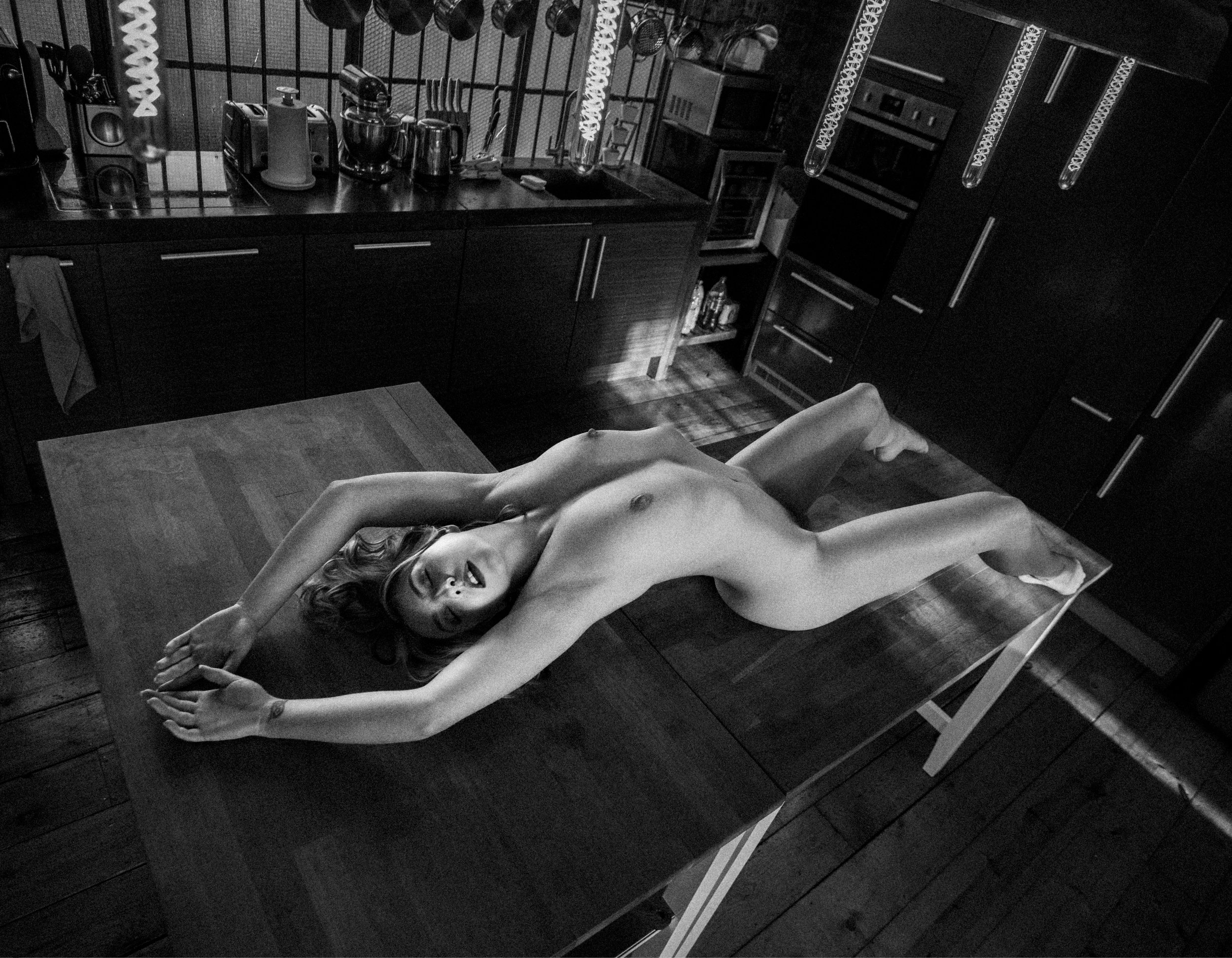
You ever look at a black and white nude photo and just feel something? Like, really feel it?
Yeah, me too. There’s something about stripping away colour that makes the image hit differently. It’s not just about the body—it’s about the mood, the vulnerability, the rawness. Color can sometimes distract us, but in monochrome, every curve, every shadow, every highlight tells a story.

Nicole Rayner
You ever look at a black and white nude photo and just feel something? Like, really feel it?
Yeah, me too. There’s something about stripping away colour that makes the image hit differently. It’s not just about the body—it’s about the mood, the vulnerability, the rawness. Color can sometimes distract us, but in monochrome, every curve, every shadow, every highlight tells a story.

Lulu Lockhart
Think about it. Light and shadow are everything in photography, but in black and white nudes, they become the main characters. Soft light? That’s intimacy, warmth, maybe even nostalgia. Harsh shadows? Now we’re talking drama, power, and mystery. It’s like the body becomes a sculpture, every dip and rise more pronounced, more poetic.

Nausicaa Yami
When you take colour out of the equation, you take away expectations. No warm golden hues to make something feel “happy” or cool blues to feel “moody.” It’s just the subject and their presence, laid bare (literally and emotionally). You’re forced to connect in a different way—to see the person, the form, the feeling, without the influence of color psychology.

Jordan Ebbitt
Isn’t it wild how a single image can make you feel both powerful and exposed at the same time? Black and white nude photography does that. A softly lit figure, curled inward, can feel fragile, even melancholic. But throw in some strong lighting, a confident pose, and suddenly, the subject is a force—unapologetic and commanding. It’s all about how the image makes you feel, and the beauty is, that feeling changes from person to person.

Catarina Correia
No distractions. No flashy elements. Just a subject, a moment, and a feeling. That’s why monochrome nude photography is so timeless—it doesn’t rely on trends, just pure emotion. A slight tilt of the head, the way fingers rest on skin, the curve of a back, these tiny details become everything. And because the image isn’t cluttered with colour, your mind has space to wander, to interpret, to feel.

Amber Rose
There’s a reason black and white photography never gets old. It’s classic. It taps into something universal, something beyond the here and now. It’s the same with monochrome nudes. They feel like art, like they could have been taken yesterday or a hundred years ago. And the emotions they stir? Just as powerful, no matter the decade.

Hattie Grace
So, why does nude monochrome photography hit so hard? Because it’s not just about capturing a body—it’s about capturing being. It’s about stripping away the unnecessary and getting to the core of emotion. Whether it’s quiet, loud, soft, strong—black and white makes you feel. And in the end, isn’t that what photography is all about?
Attending the National Demonstration for Palestine in London – A Peaceful Protest Met with Heavy-Handed Policing
On January 18th 2025, thousands gathered in London for the National Demonstration for Palestine, a movement calling for justice, peace, and an end to the ongoing genocide in Gaza. It was a day filled with passion, solidarity, and an unwavering demand for truth to be told. Despite the overwhelmingly peaceful nature of the protest, the event was marred by an aggressive and disproportionate police response, leading to 77 shocking arrests of non-violent demonstrators.
On January 18th 2025, thousands gathered in London for the National Demonstration for Palestine, a movement calling for justice, peace, and an end to the ongoing genocide in Gaza. It was a day filled with passion, solidarity, and an unwavering demand for truth to be told. Despite the overwhelmingly peaceful nature of the protest, the event was marred by an aggressive and disproportionate police response, leading to 77 shocking arrests of non-violent demonstrators.


From the moment the demonstration began, it was clear that the energy was one of unity and peaceful resistance. Attendees from all walks of life assembled with banners, Palestinian flags, and chants calling for an end to the violence in Gaza and an impartial media representation of the conflict.


Among the many speakers who took to the stage was Jeremy Corbyn, the former Labour leader and a longtime advocate for Palestinian rights. He, along with several other speakers, condemned the ongoing atrocities and highlighted the international legal rulings that have accused Israeli officials of genocide. The message was clear: justice must prevail, and the world must not turn a blind eye to the suffering of the Palestinian people.


Despite the peaceful nature of the march, the police presence was unusually heavy and aggressive from the outset. Many demonstrators noted how officers seemed prepared for conflict, even though none was brewing. There was an unsettling tension, as if the authorities were waiting for an excuse to clamp down on protestors.
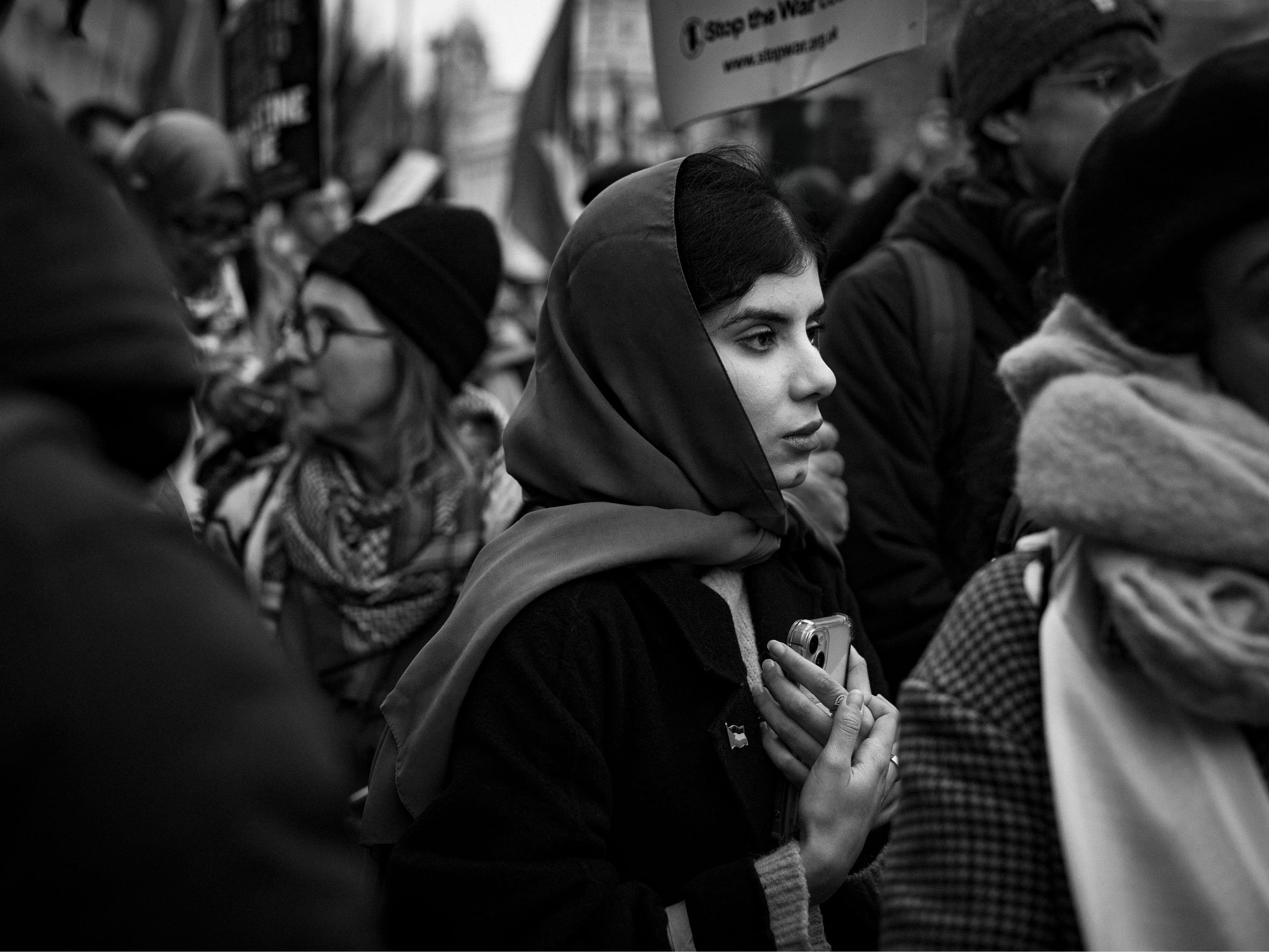

Unfortunately, that’s exactly what happened. 77 peaceful demonstrators were arrested, an unprecedented and deeply troubling turn of events, especially given that the previous 24 protests over the past 16 months had seen minimal confrontations. It was clear to many that the police response was not about maintaining order but rather about intimidation and suppression.


A significant aspect of this protest was the growing frustration with the BBC’s biased reporting on the conflict. Protestors voiced their anger at the way the broadcaster continues to frame the war in Gaza, often portraying only one side as victims while ignoring the overwhelming evidence of war crimes and genocide being committed against Palestinians. This frustration is compounded by the fact that both the International Court of Justice (ICJ) and the International Criminal Court (ICC) have taken action, acknowledging the reality of the atrocities and even issuing arrest warrants for senior Israeli officials. And yet, the BBC remains complicit in one-sided narratives that fail to hold the perpetrators accountable.


Many suspect that the heavy-handed police response at the protest was not a coincidence but rather a direct order from higher powers seeking to silence dissent. The establishment seems intent on discouraging public support for Palestine by criminalising peaceful protestors and allowing mainstream media to continue its biased reporting.


Despite the repression, the movement for Palestinian justice is stronger than ever. The excessive police response on January 18 has only reinforced the necessity of speaking out against injustice. The UK government and media must be held accountable for their roles in enabling the oppression of Palestinian voices, both at home and abroad.


Nude Photography at Hammerwood Park Manor House with Lulu Lockhart
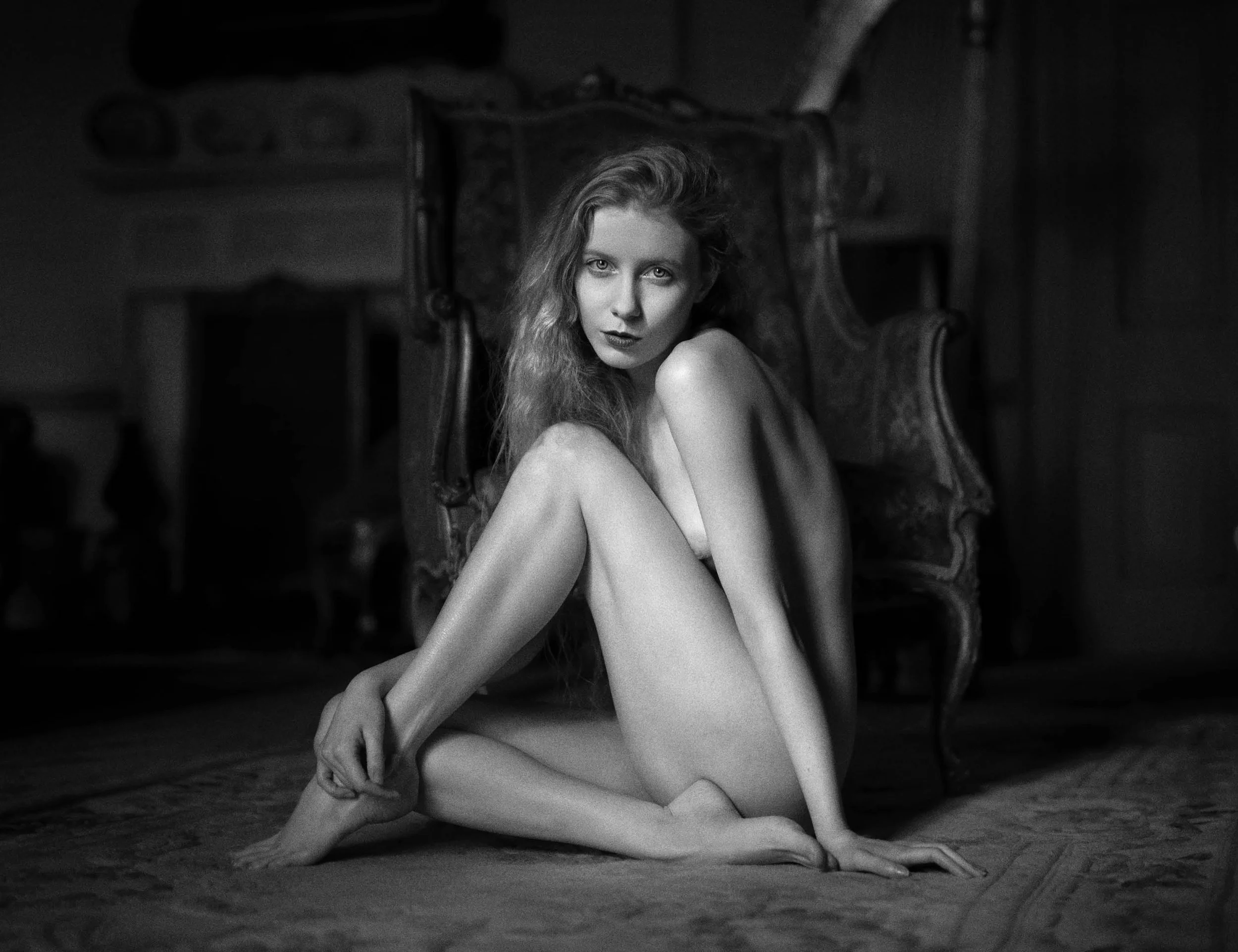
Nude photography is an art form that thrives on the interplay of subject, environment, and light, creating evocative and compelling imagery that celebrates the human form. When the setting is as grand and storied as Hammerwood Park Manor House, the photographs take on an additional layer of depth, blending human elegance with architectural magnificence. Collaborating with the ethereal model Lulu Lockhart in such a space is an experience that transcends photography, becoming a celebration of art itself.

Nude photography is an art form that thrives on the interplay of subject, environment, and light, creating evocative and compelling imagery that celebrates the human form. When the setting is as grand and storied as Hammerwood Park Manor House, the photographs take on an additional layer of depth, blending human elegance with architectural magnificence. Collaborating with the ethereal model Lulu Lockhart in such a space is an experience that transcends photography, becoming a celebration of art itself.

The Allure of Hammerwood Park
Hammerwood Park Manor House, a neoclassical gem in Sussex, England, is steeped in history and aesthetic charm. Built in 1792 by Benjamin Latrobe, the architect of the White House, the manor is an ideal location for creative photography. Its sweeping staircases, expansive gardens, and grand interiors provide a canvas rich with textures and tones.

From the weathered patina of its walls to the timeless elegance of its columns and ornate detailing, Hammerwood Park offers endless opportunities to experiment with light, shadow, and composition. The interplay of natural light filtering through tall windows and the intricate textures of the manor creates an atmosphere that’s both romantic and dramatic—perfect for capturing the essence of nude photography.

Collaborating with Lulu Lockhart
Lulu Lockhart is a model whose presence and artistry elevate any photographic project. Her ability to convey emotion and movement, combined with her understanding of the photographer’s vision, makes her a muse in every sense of the word. With her expressive poses and intuitive understanding of form, she becomes a dynamic element of the environment, interacting with the space in ways that bring each frame to life.

Working with Lulu at Hammerwood Park felt like a seamless dance between subject and photographer. Her poise and professionalism allowed us to explore concepts ranging from the classical to the abstract, pushing the boundaries of traditional nude photography. Whether framed against the stately columns or reclining on a vintage chaise longue in one of the manor’s opulent rooms, Lulu brought a grace that harmonised perfectly with the historical richness of the setting.

Key Considerations:
Lighting: Leveraging the changing natural light throughout the day was crucial. Morning light streaming through tall windows gave a soft, ethereal quality to the images, while afternoon shadows added drama and depth.
Composition: The symmetry and grandeur of Hammerwood’s architecture offered unique opportunities for framing and perspective. Positioning Lulu within these elements emphasised both her form and the environment, creating a dialogue between subject and setting.
Mood: The historical aura of Hammerwood inspired a balance between vulnerability and strength in the imagery. The contrast between the ancient and the contemporary added layers of meaning to the photographs.

Reflections on the Shoot
The collaboration with Lulu at Hammerwood Park Manor House was not merely a photography session but an artistic journey. It underscored the importance of location and synergy in creating images that resonate with viewers. By combining the historical allure of Hammerwood with Lulu’s captivating presence, the shoot produced work that felt timeless and profoundly human.

For photographers seeking to elevate their nude photography, exploring iconic and unconventional locations like Hammerwood Park can be transformative. Pairing such a location with a model who understands and complements the vision ensures the creation of images that are both striking and soulful


The Art of Black and White Toy Photography: A Lockdown Passion That Lives On
The year 2020 will always be remembered as a time of profound change, challenge, and unexpected creativity. For my family and me, it was also the year we stumbled upon a simple yet profoundly rewarding hobby, black and white toy photography. What started as a project to stave off the boredom of lockdown has evolved into a cherished creative outlet that continues to inspire us to this day.
The year 2020 will always be remembered as a time of profound change, challenge, and unexpected creativity. For my family and me, it was also the year we stumbled upon a simple yet profoundly rewarding hobby, black and white toy photography. What started as a project to stave off the boredom of lockdown has evolved into a cherished creative outlet that continues to inspire us to this day.

Finding Creativity in Chaos
When the world slowed down in 2020, I, like many parents, faced the challenge of keeping my children entertained and engaged within the confines of our home. One afternoon, surrounded by scattered toys, I proposed an idea: what if we turned their favorite playthings into the stars of a photo series? Little did we know, this simple suggestion would spark a passion project that united us as a family.
Equipped with my camera and a sense of adventure, we began setting up scenes using their favorite toys. We started with classic Star Wars figures, imagining epic battles and quiet moments of reflection. As we explored different compositions, we discovered that shooting in black and white brought an unexpected elegance and depth to these miniature worlds.

Godzilla Walks the Beach
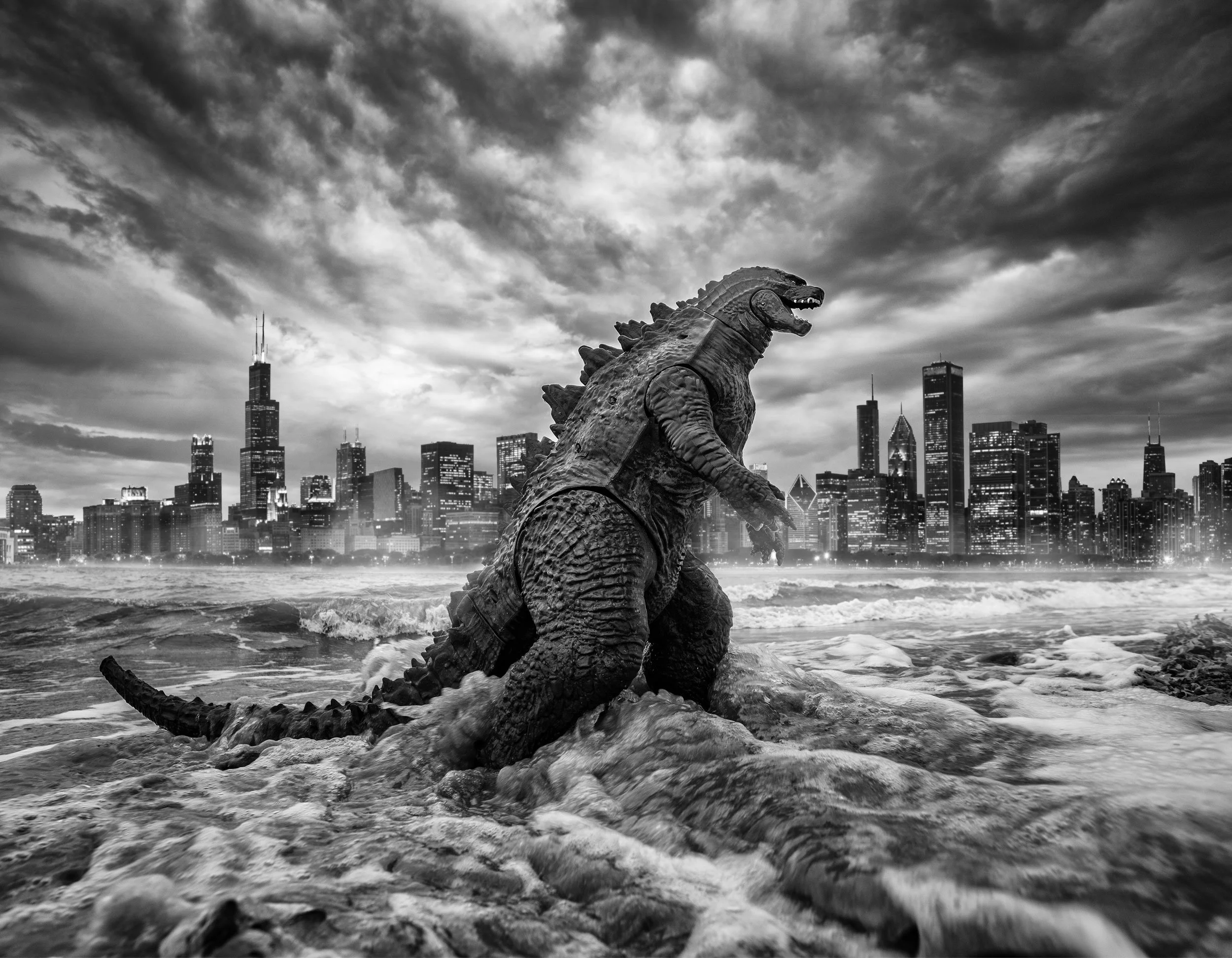
One of our most memorable shoots involved a large Godzilla figure. We took it to the beach at Walton-on-the-Naze one overcast day, letting the waves and moody skies act as the perfect backdrop. In black and white, the images transformed Godzilla into a towering, dramatic presence. Seeing the figure stride out of the surf was like watching a classic monster movie come to life. We then added a city backdrop using Photoshop.

The Charm of Wall-E and Friends
We didn’t stop with Godzilla. Over time, our portfolio expanded to include beloved characters like Wall-E, fierce Orcs, and a whole array of Dinosaurs. Each toy brought its own personality to the frame, and our storytelling skills grew with every click of the shutter. Wall-E, for instance, became a favorite subject, his expressive eyes and curious nature shining beautifully in monochrome.


Why Black and White?
You might wonder why we chose to focus on black and white photography. There’s a certain timelessness to monochrome that transforms even the simplest toy into a work of art. Without the distraction of color, textures, contrasts, and shadows take center stage, adding a sense of drama and intrigue to each image.
It also allowed us to tap into the nostalgic aesthetic of old movies and photography, making even a plastic dinosaur look like a prehistoric creature captured on film.

The Joy of Collaboration
This project wasn’t just about photography; it was about bonding. My children became active collaborators, suggesting scenes, arranging props, and even coming up with narratives for the toys. It was thrilling to see their imaginations come alive and to capture their vision through the lens.

A Creative Journey That Continues
Now, years later, this hobby remains a part of our lives. Whether it’s a rainy afternoon at home or a family outing to the park, our camera often accompanies us. The toys have changed slightly as my children grow older, but the joy of creating something together has stayed the same.

Tips for Black and White Toy Photography
If you’re feeling inspired to try black and white toy photography with your own family, here are a few tips:
Use Natural Light: Overcast days or golden hour provide soft, dramatic lighting that works beautifully in black and white.
Experiment with Angles: Get down to the toy’s level to create a sense of scale and realism.
Focus on Details: Black and white photography highlights textures, so play with patterns and surfaces.
Tell a Story: Think about what’s happening in the scene and let the toys convey a narrative.
Edit Thoughtfully: Post-processing can enhance contrast and bring out the richness of shadows and highlights.

Black and white toy photography has given my family a way to connect, create, and find beauty in the everyday. What began as a way to fill time during lockdown has become a cherished tradition, one that brings joy and creativity to our lives.
So grab your camera, dig out those old toys, and start creating your own little masterpieces. You might just discover a hobby that lasts a lifetime.
Have you ever tried toy photography or another creative project during the lockdown? Share your stories in the comments below—I’d love to hear them!

Photographing Fallow Deer at Sunrise in Dagnam Park
Few experiences compare to watching the world wake up under a rising sun, and for photographers, sunrise is a magical time to capture the natural world at its most serene. Dagnam Park near Romford in Essex offers a unique opportunity to photograph one of Britain’s most elegant and elusive creatures, the fallow deer, in a setting that is tranquil, atmospheric, and often bathed in a soft golden light during early autumn mornings. Here, we'll explore what makes photographing fallow deer so special and how to make the most of a sunrise shoot at this picturesque park.

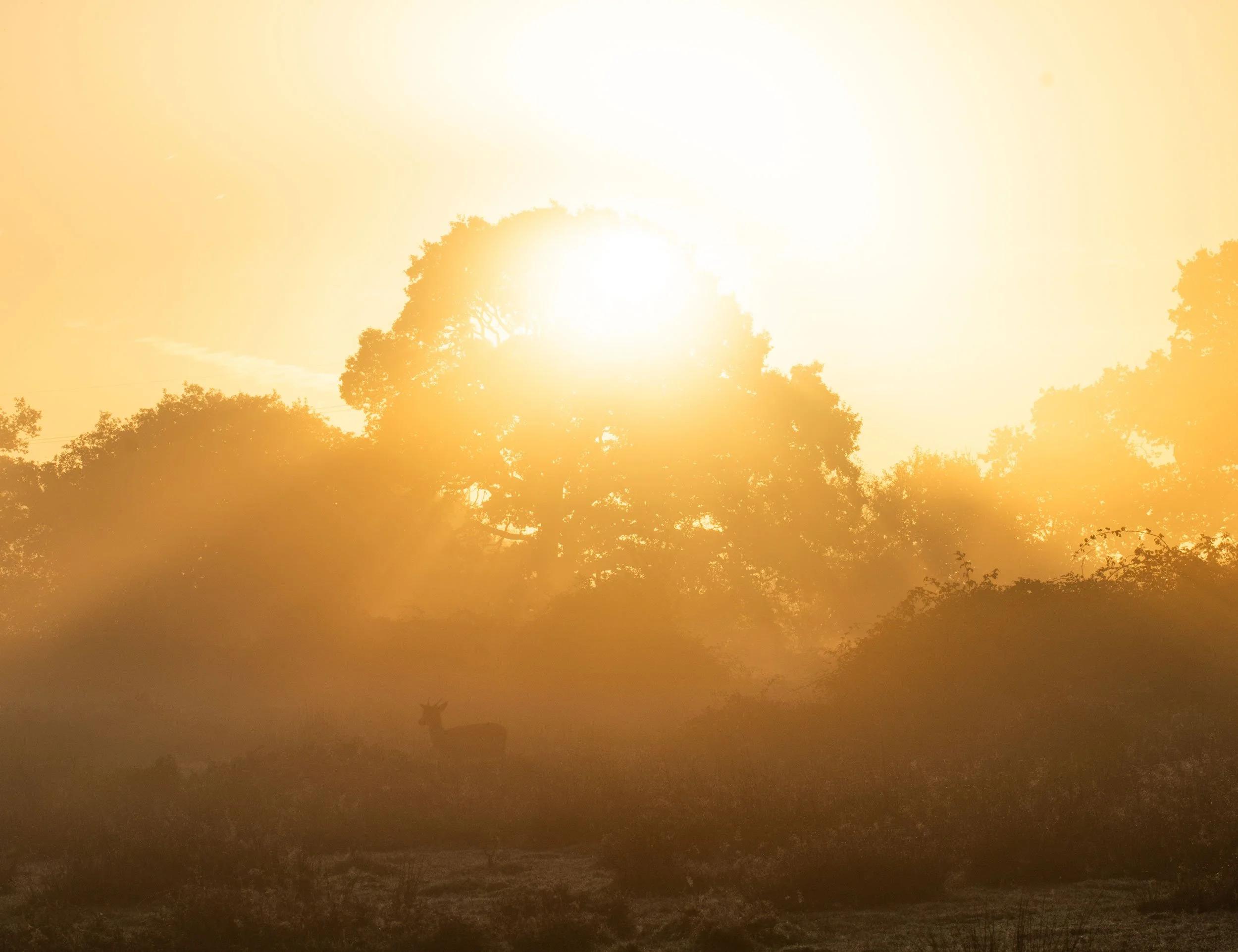
Fallow deer doe walking across the morning mist in Dagnam Park. 27th October 2024
Yes, there are colour images in this blog. The sunrise / sunset are some of the rare times I embrace colour.
Few experiences compare to watching the world wake up under a rising sun, and for photographers, sunrise is a magical time to capture the natural world at its most serene. Dagnam Park near Romford in Essex offers a unique opportunity to photograph one of Britain’s most elegant and elusive creatures, the fallow deer, in a setting that is tranquil, atmospheric, and often bathed in a soft golden light during early autumn mornings. Here, we'll explore what makes photographing fallow deer so special and how to make the most of a sunrise shoot at this picturesque park.

The first hour of sunrise is known as the "golden hour," when the sunlight is soft, diffused, and warm, creating perfect conditions for nature photography. In Dagnam Park, the landscape is awash in amber hues during this time, providing an ideal background for wildlife photography. Arriving about 30 minutes before sunrise allows you to set up quietly and catch the very first light as it filters through the trees, illuminating the deer and the surrounding fields with a gentle glow.
On this occasion I actually left my house at 5.30am to arrive at 6.30am for a 6.45am sunrise. Alas, the clocks had gone back and I arrived at the same time I left the house, so had over an hour of darkness which was actually immensely wonderful. But I don’t recommend.
Tip: Check the sunrise time the day before, and be prepared to walk to a suitable vantage point in semi-darkness. Bring a headlamp or flashlight, but keep it dimmed to avoid startling the deer.

For photographing fallow deer, having the right equipment makes a significant difference. Consider the following essentials:
Telephoto Lens (200-400mm): Deer are naturally cautious, so a telephoto lens will help you maintain distance without disturbing them while capturing close-up details.
Tripod: With lower light at sunrise, a stable tripod is key for sharp images, especially if you’re aiming for slower shutter speeds. Personally, I take a monopod as I find it easier to walk with.
Wide-Angle Lens (optional): If you're interested in landscape shots with the deer in the foreground, a wide-angle lens can add depth and context to your photos.
Remote Shutter Release: To avoid camera shake, especially in low-light conditions, a remote shutter release is helpful for achieving crisp shots.
Tip: For those using a DSLR or mirrorless camera, consider shooting in manual or aperture-priority mode to control depth of field and allow more light.

Dagnam Park has several open areas where fallow deer are known to roam, particularly at dawn. Quietly scan the fields and edges of the woodland areas, where they are more likely to appear, often grazing or moving slowly in groups.
Best Practices:
Move quietly and avoid sudden movements.
Always stay downwind, as deer have a keen sense of smell.
Respect the deer's space; if they seem startled, you may be too close.
Wear neutral colors to blend into the environment.

Composing a memorable wildlife shot often means more than simply centering the subject. Here are some composition ideas for photographing fallow deer:
Use the Light: Backlit shots work beautifully at sunrise. Position yourself so that the deer is between you and the rising sun, creating a rim light around their silhouettes, especially if the deer have large antlers.
Rule of Thirds: Position the deer slightly off-center to create a more balanced and natural-looking photo.
Include the Environment: Dagenham Park’s woodland and grassy expanses make beautiful backdrops. Capturing the deer within the broader setting adds depth and context to your image.
Focus on Details: A close-up of the deer’s face, or even just the antlers against the light, can make for a striking shot. Watch for moments when they pause, perhaps with a side glance or while grazing, as these intimate moments can be very expressive.

At sunrise, light levels change quickly. Using the correct exposure settings helps maintain the natural tones and details in both the deer and the landscape:
ISO: Start with a low ISO (100-400) to reduce noise but be prepared to increase it slightly as the light fades before the full sunrise.
Aperture: A medium to wide aperture (f/4 to f/5.6) allows for a soft background while keeping the deer in sharp focus.
Shutter Speed: Deer can move suddenly, so a shutter speed of at least 1/200s or faster is advisable to avoid motion blur.
Tip: If you’re dealing with a very low-light situation, increase ISO instead of reducing shutter speed to avoid motion blur, especially if the deer are moving.

There are times I embrace black and white, this is one of them.
Wildlife photography is as much about patience as it is about skill. Fallow deer are wary creatures, and approaching them requires calmness and respect. By waiting quietly and observing their natural behavior, you’ll not only increase your chances of capturing compelling shots, but you’ll also find the experience deeply rewarding. Let the deer’s behavior guide your photography; some of the best moments happen when you’re simply watching and waiting for them to interact with each other or react to the environment.
