Standing Tall in the small market town of Faversham
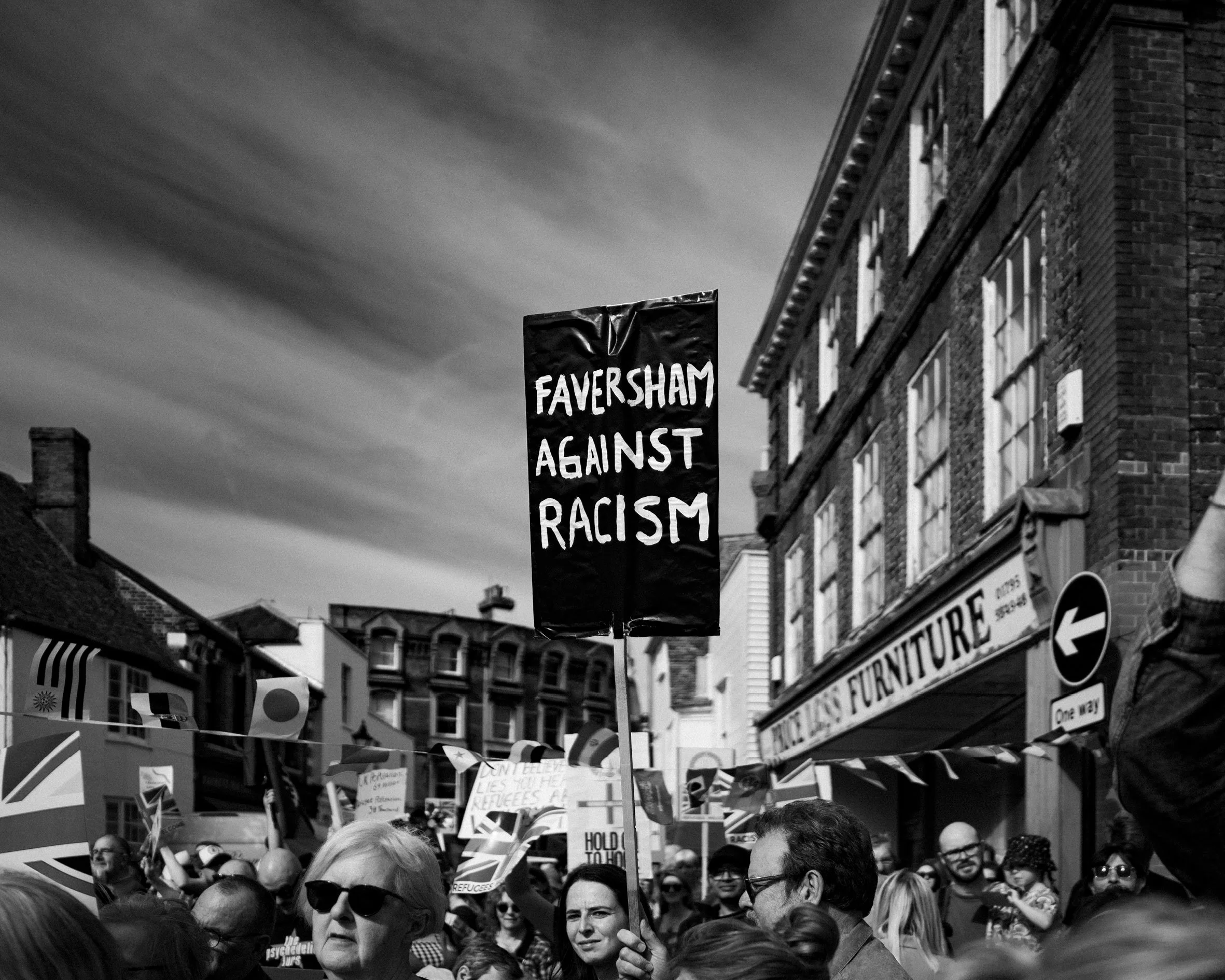
On Saturday 6th September 2025, the usually calm and welcoming market town of Faversham, Kent was shaken. For the past five years that I’ve called this place home, it has felt like a community rooted in acceptance and kindness. But this weekend, that sense of safety was put to the test.
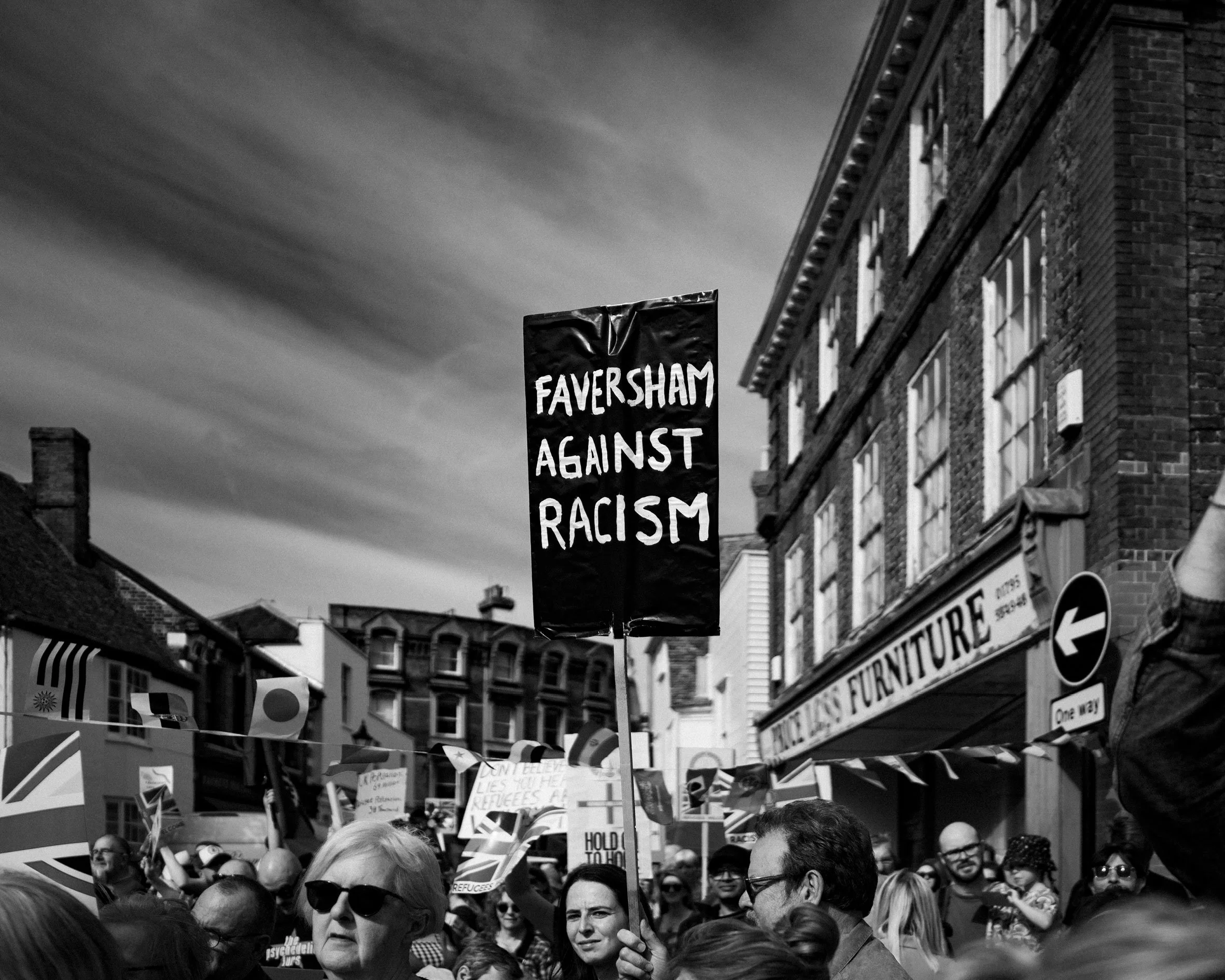
On Saturday 6th September 2025, the usually calm and welcoming market town of Faversham, Kent was shaken. For the past five years that I’ve called this place home, it has felt like a community rooted in acceptance and kindness. But this weekend, that sense of safety was put to the test.

An anti-immigration protest was organised to descend on our town. In response, a counter-demonstration quickly came together, people from Faversham and beyond standing against the far-right presence, and thankfully, outnumbering them.

In the days leading up to the protest, the signs were already there. Dozens of St George’s Cross flags appeared around Faversham. It should be a symbol of pride, community, and shared history, but instead, it had been hijacked yet again by fear, ignorance, and divisive rhetoric.

But, the message from the far-right is depressingly simple: “If you don’t look like me, sound like me, or worship like me, we don’t want you here.” It’s a message built not on truth, but on fear and misinformation, drip-fed through echo chambers and amplified online. Their hatred shown in both voice and of course, gestures.


On Saturday, the streets were loud. Both groups chanted, both stood firm. In the end, the counter-demonstrators chose not to escalate the situation, stepping aside to let the march continue rather than risk violence.


The far-right protestors headed towards Acacia Court, a facility used to house minors seeking asylum. At the time of the protest, I believe it held just two unaccompanied minors. Think about that, two children, alone in a foreign country, they were the supposed “threat” that justified a march of hatred.

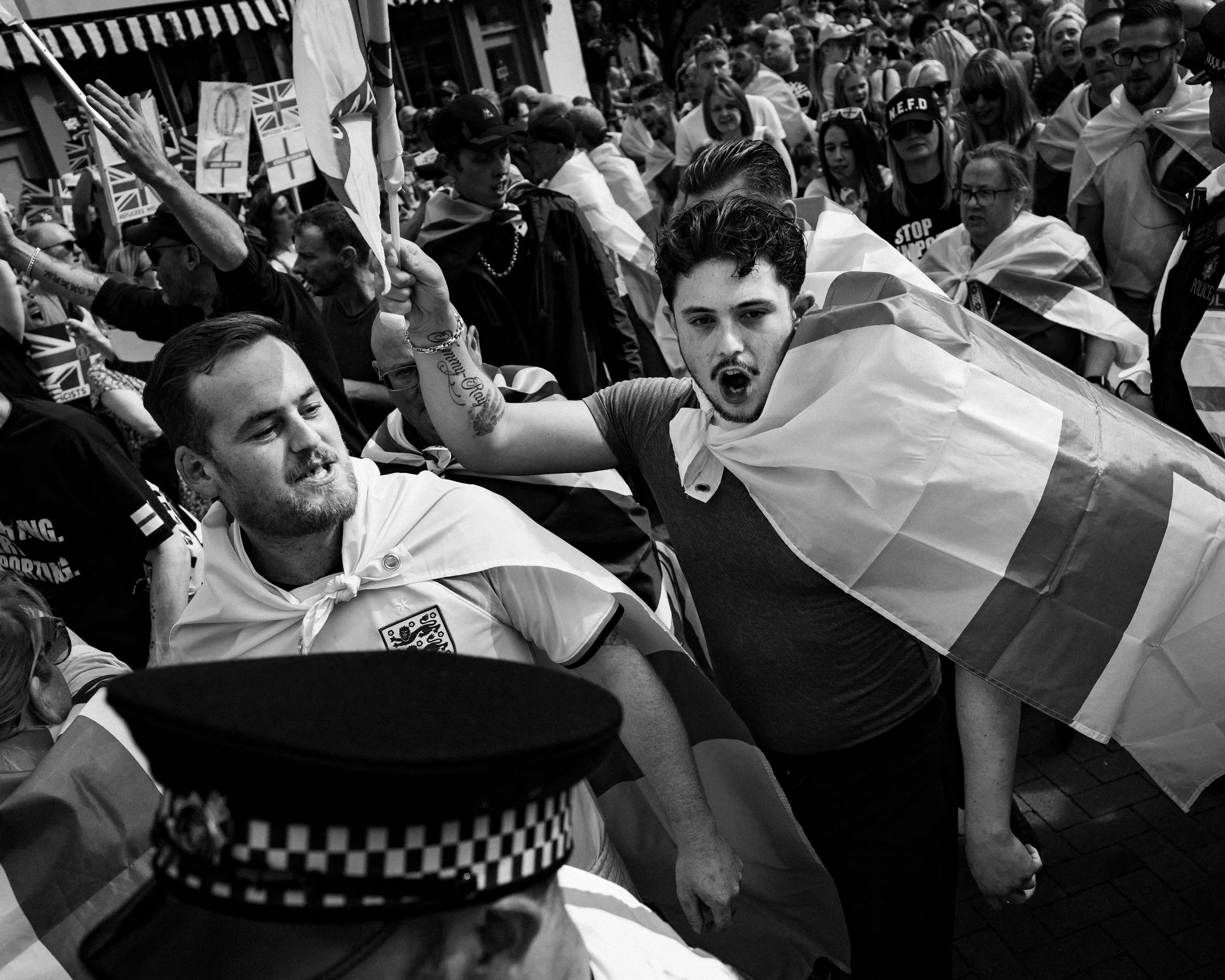
Thankfully, they were met once again by counter-demonstrators when they arrived. The thought of what might have happened if the far-right had broken through into the building doesn’t bear thinking about.

This weekend was more than just a protest. It was a sign of something deeper, a fracture in our society. People no longer talk. They consume the narratives handed to them via social media and between those who think similar, rarely questioning, rarely listening, and never challenging.

Ultranationalism has never ended well. History tells us that. When people define their pride in opposition to others, hating those they’ve never met, clinging to achievements they never made, the only outcome is disintegration.

We need to remind ourselves: the people crossing the Channel in small dinghies are not our enemies. They are human beings, fleeing circumstances we can barely imagine. If we want to find real threats to our communities, we need to look upwards, not sideways.
Those who come here with nothing are not breaking society. Those who sit on billion-dollar yachts while whole towns struggle to survive, they are the ones draining us.
Faversham stood up on Saturday. It showed resistance. But it also showed how fragile our sense of community can be in the face of manipulation. The real test ahead is whether we choose fear and division, or empathy, truth, and unity.

We are, and always will be, stronger together.
Photographing a Protest in the Rain, National March for Palestine, London – July 19
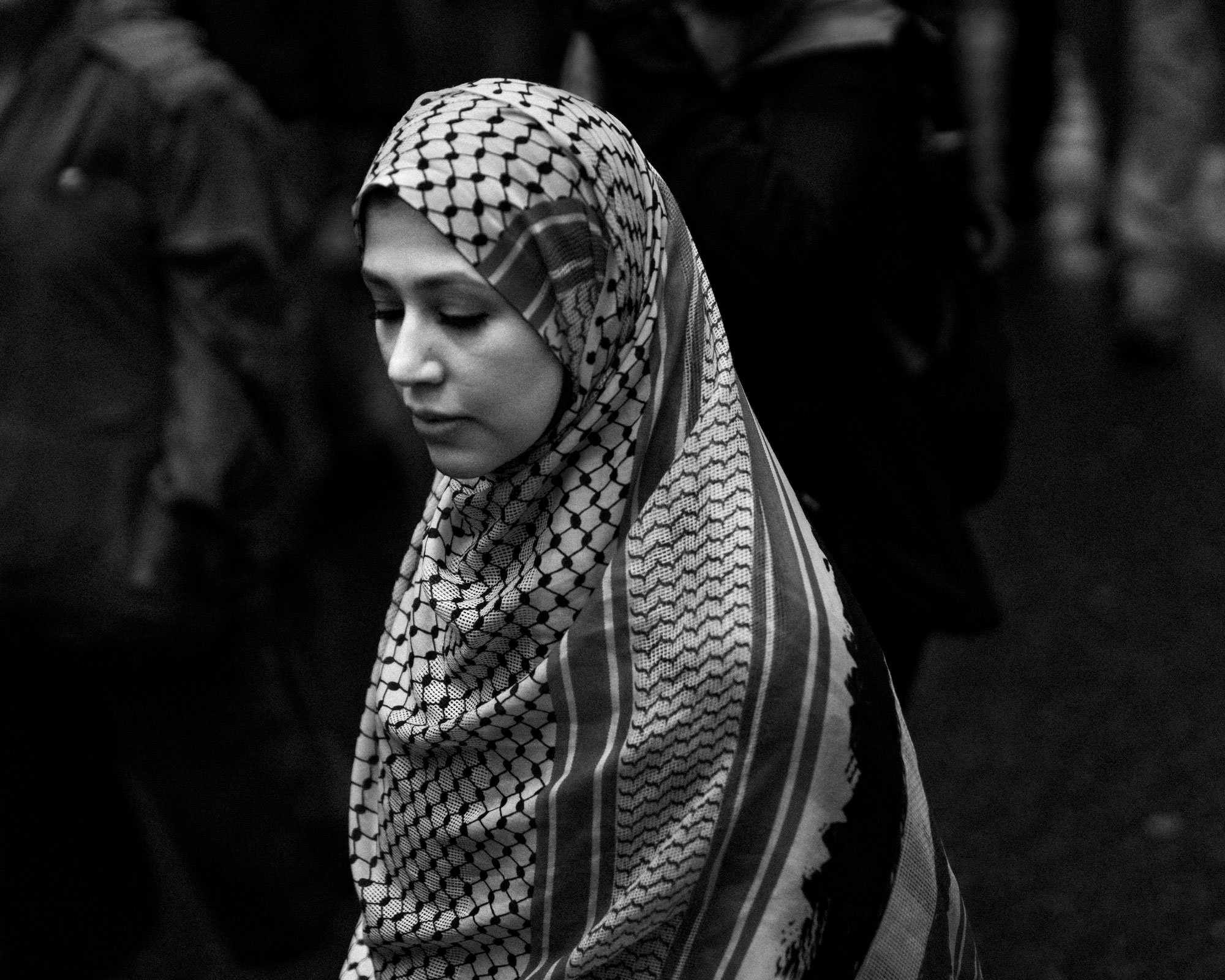
On Saturday 19th July, I joined an estimated 80,000 people in central London for the National March for Palestine. The forecast promised torrential rain, and for once, it didn’t disappoint. From the moment I stepped off the train, the sky unleashed its fury, but not even relentless downpours could drown out the voices calling for justice and an end to the suffering in Gaza.
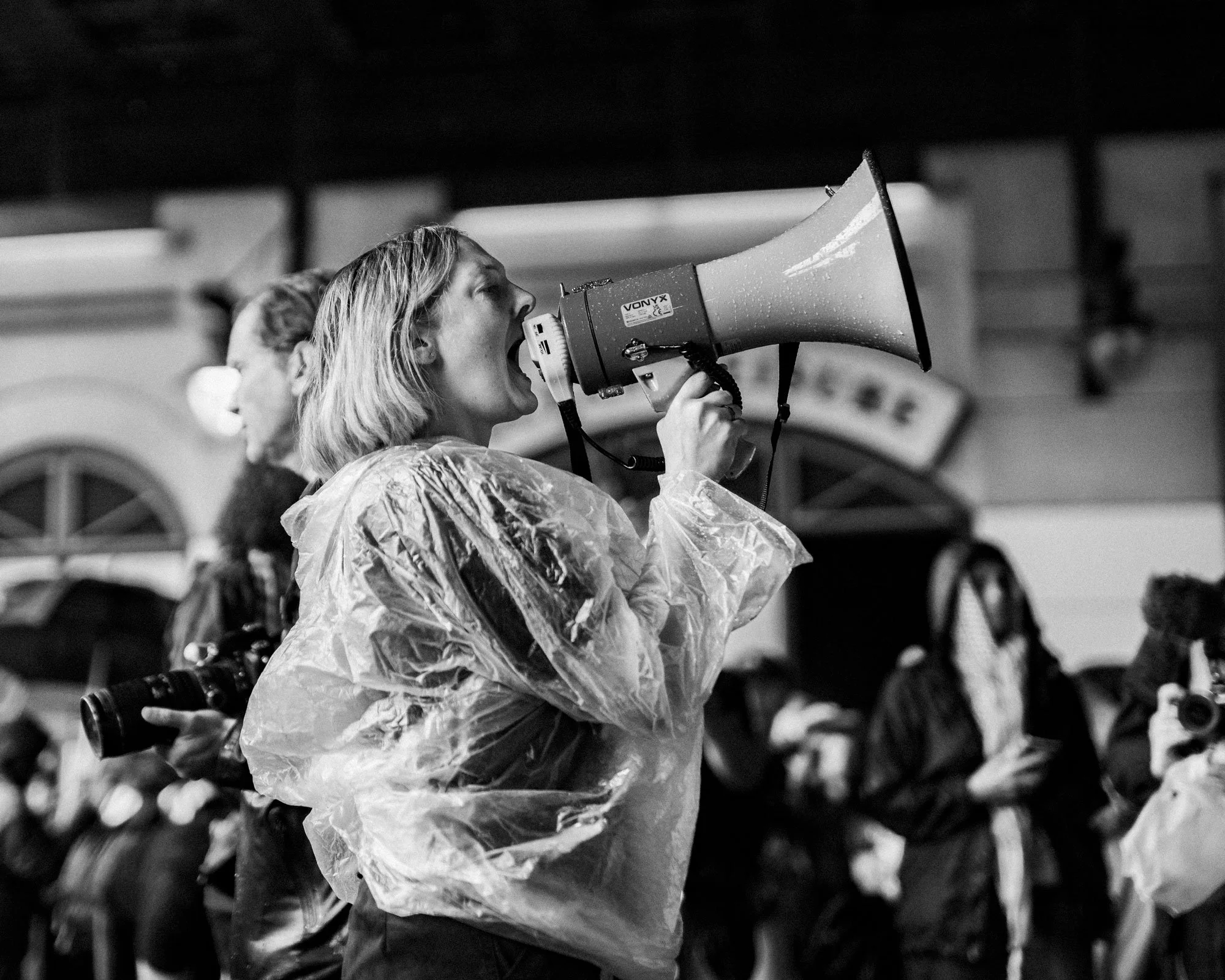
On Saturday 19th July, I joined an estimated 80,000 people in central London for the National March for Palestine. The forecast promised torrential rain, and for once, it didn’t disappoint. From the moment I stepped off the train, the sky unleashed its fury, but not even relentless downpours could drown out the voices calling for justice and an end to the suffering in Gaza.


As a photographer, I’m used to adapting to whatever conditions the day throws at me, but this was another level. Sheets of rain swept across the crowd, soaking banners, placards, and people alike, but the spirit remained unshaken. What struck me most was the sheer determination. The turnout was huge, and despite the elements, there was a powerful unity in the air, diverse communities marching side by side, chanting, singing, and standing up for what they believe in.


It’s a strange and disturbing time when holding a flag or peacefully protesting for the lives of Palestinian civilians can land you on the wrong side of a political narrative. To be labelled a threat for calling for a ceasefire, for opposing the bombing of hospitals and schools, feels dystopian. I’m ashamed of my government’s complicity and even more disillusioned with a police force that seems increasingly comfortable enforcing unjust mandates. History has taught us time and time again that "just following orders" is never an acceptable defence.


That said, the protest itself was overwhelmingly peaceful, if incredibly loud. As the march moved toward Downing Street, the weather gradually turned. The sun finally made an appearance, drying drenched signs and lifting dampened spirits. The shift in weather felt symbolic, a brief moment of light after weeks of devastation and darkness being inflicted overseas.
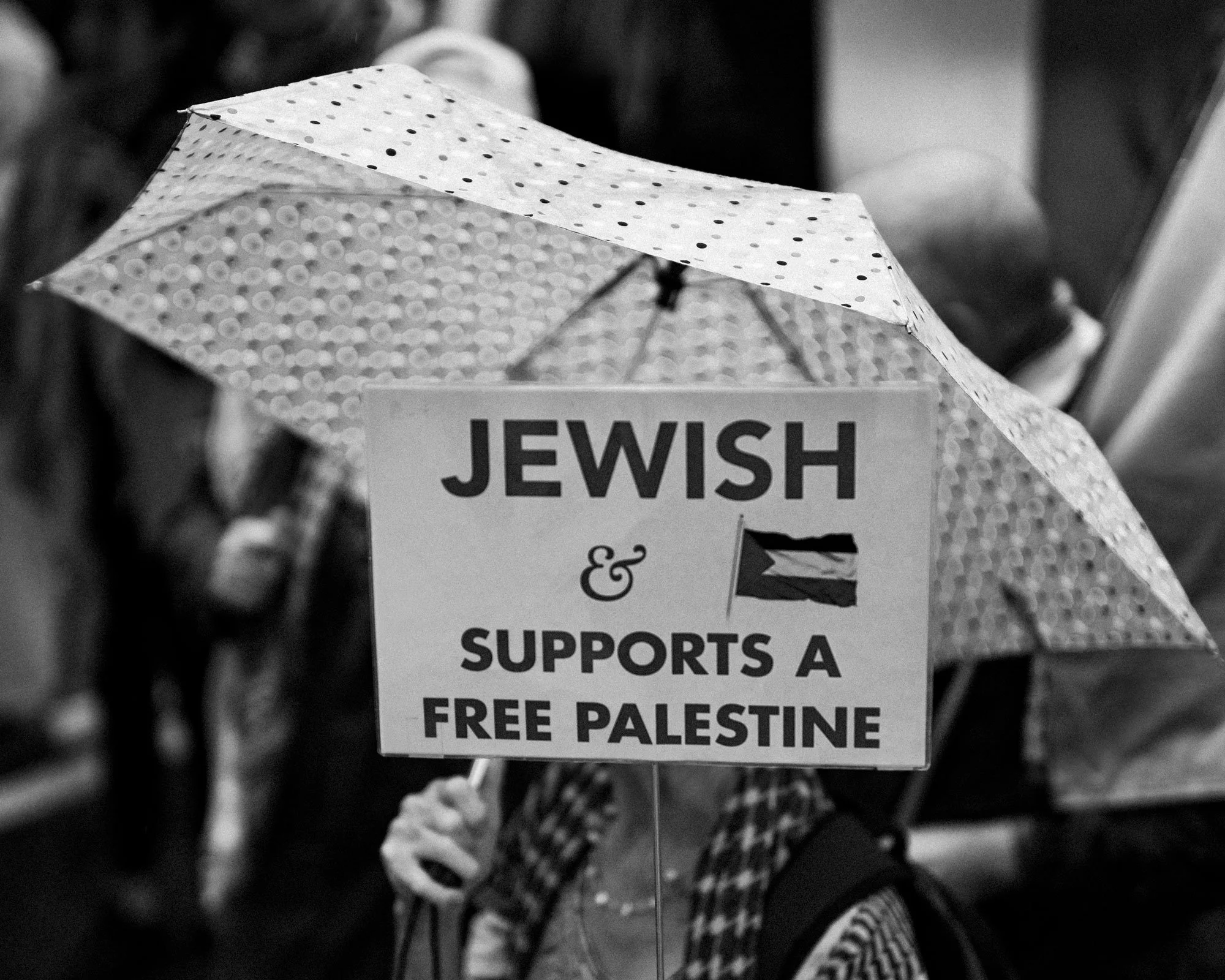

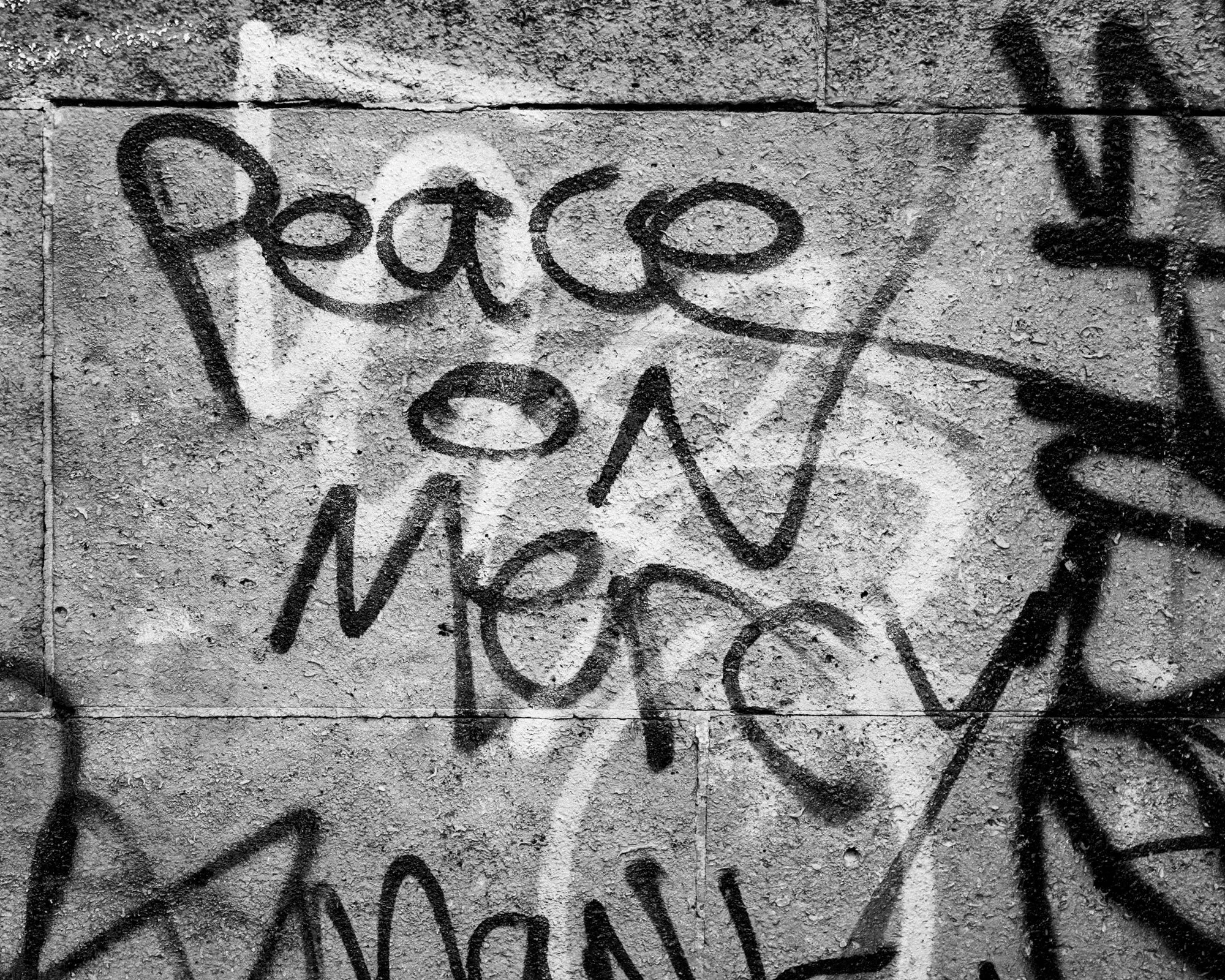
Photographing the protest, however, was a challenge. My camera, like me, wasn’t made for such wet conditions. It started acting up partway through, displaying error messages that I didn’t want to see in the middle of a massive crowd. Fearing permanent damage, I had to pack it away earlier than I would’ve liked. Thankfully, it’s since come back to life, but I can’t help but feel I missed capturing so many moments of resilience, beauty, and defiance that the day offered.


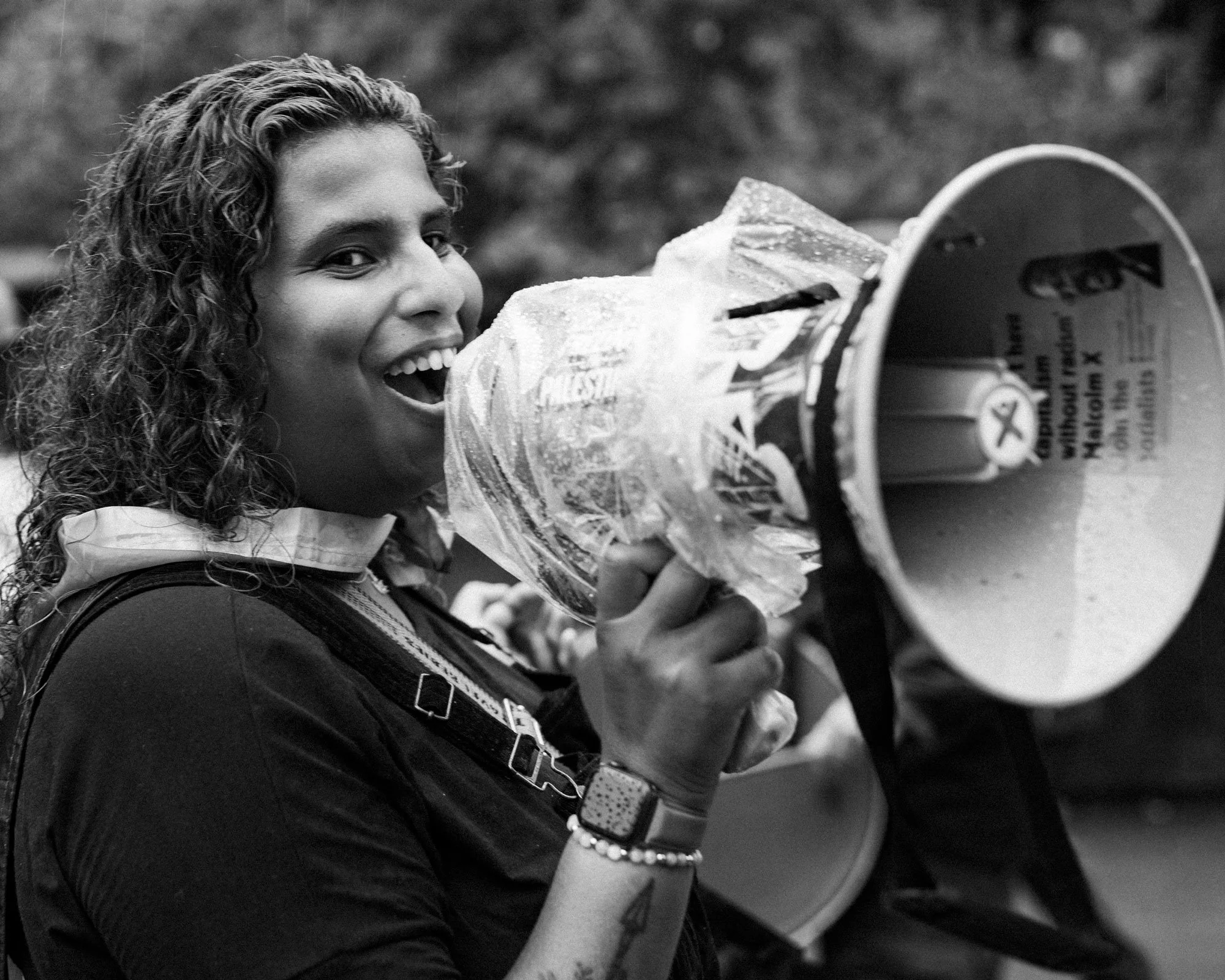
Still, what I did manage to document speaks volumes. The sea of umbrellas and the flags billowing in the wind, the drenched faces shouting for peace, it all tells a story. Not just of protest, but of people refusing to look away.
And that’s something worth photographing, rain or shine.


Attending the National Demonstration for Palestine in London – A Peaceful Protest Met with Heavy-Handed Policing
On January 18th 2025, thousands gathered in London for the National Demonstration for Palestine, a movement calling for justice, peace, and an end to the ongoing genocide in Gaza. It was a day filled with passion, solidarity, and an unwavering demand for truth to be told. Despite the overwhelmingly peaceful nature of the protest, the event was marred by an aggressive and disproportionate police response, leading to 77 shocking arrests of non-violent demonstrators.
On January 18th 2025, thousands gathered in London for the National Demonstration for Palestine, a movement calling for justice, peace, and an end to the ongoing genocide in Gaza. It was a day filled with passion, solidarity, and an unwavering demand for truth to be told. Despite the overwhelmingly peaceful nature of the protest, the event was marred by an aggressive and disproportionate police response, leading to 77 shocking arrests of non-violent demonstrators.


From the moment the demonstration began, it was clear that the energy was one of unity and peaceful resistance. Attendees from all walks of life assembled with banners, Palestinian flags, and chants calling for an end to the violence in Gaza and an impartial media representation of the conflict.


Among the many speakers who took to the stage was Jeremy Corbyn, the former Labour leader and a longtime advocate for Palestinian rights. He, along with several other speakers, condemned the ongoing atrocities and highlighted the international legal rulings that have accused Israeli officials of genocide. The message was clear: justice must prevail, and the world must not turn a blind eye to the suffering of the Palestinian people.


Despite the peaceful nature of the march, the police presence was unusually heavy and aggressive from the outset. Many demonstrators noted how officers seemed prepared for conflict, even though none was brewing. There was an unsettling tension, as if the authorities were waiting for an excuse to clamp down on protestors.
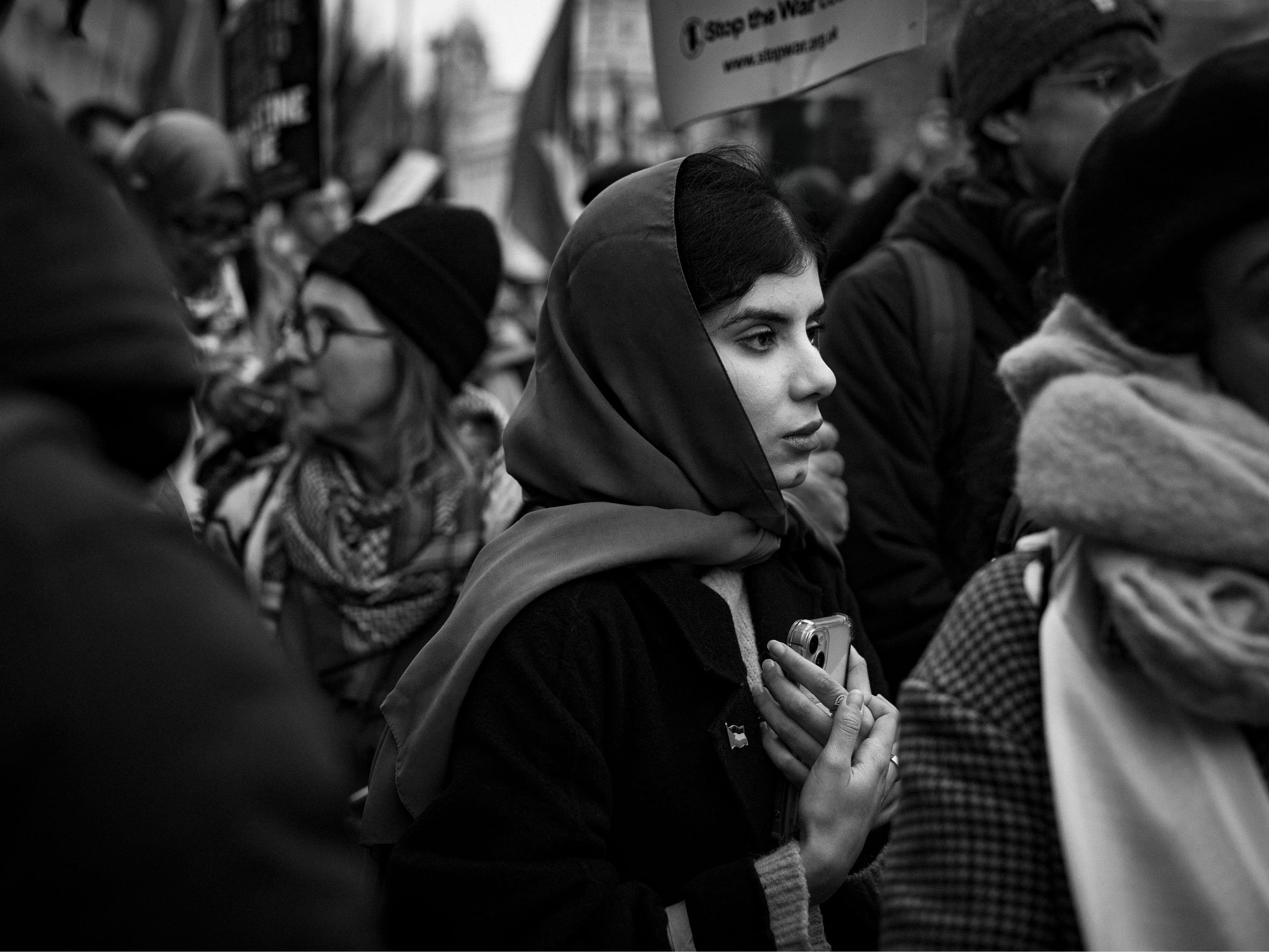

Unfortunately, that’s exactly what happened. 77 peaceful demonstrators were arrested, an unprecedented and deeply troubling turn of events, especially given that the previous 24 protests over the past 16 months had seen minimal confrontations. It was clear to many that the police response was not about maintaining order but rather about intimidation and suppression.


A significant aspect of this protest was the growing frustration with the BBC’s biased reporting on the conflict. Protestors voiced their anger at the way the broadcaster continues to frame the war in Gaza, often portraying only one side as victims while ignoring the overwhelming evidence of war crimes and genocide being committed against Palestinians. This frustration is compounded by the fact that both the International Court of Justice (ICJ) and the International Criminal Court (ICC) have taken action, acknowledging the reality of the atrocities and even issuing arrest warrants for senior Israeli officials. And yet, the BBC remains complicit in one-sided narratives that fail to hold the perpetrators accountable.


Many suspect that the heavy-handed police response at the protest was not a coincidence but rather a direct order from higher powers seeking to silence dissent. The establishment seems intent on discouraging public support for Palestine by criminalising peaceful protestors and allowing mainstream media to continue its biased reporting.


Despite the repression, the movement for Palestinian justice is stronger than ever. The excessive police response on January 18 has only reinforced the necessity of speaking out against injustice. The UK government and media must be held accountable for their roles in enabling the oppression of Palestinian voices, both at home and abroad.


Anti Fascist Protest
I took my camera down to a protest in London during the chaos the UK had experienced during the far right riots. This was an Anti-Fascist protest that started at the London office of the Reform Party.
I took my camera down to a protest in London during the chaos the UK had experienced during the far right riots. This was an Anti-Fascist protest that started at the London office of the Reform Party.
This is a late share as I had a heart attack but now I’m back on my feet it’s about time to catch up with stuff.


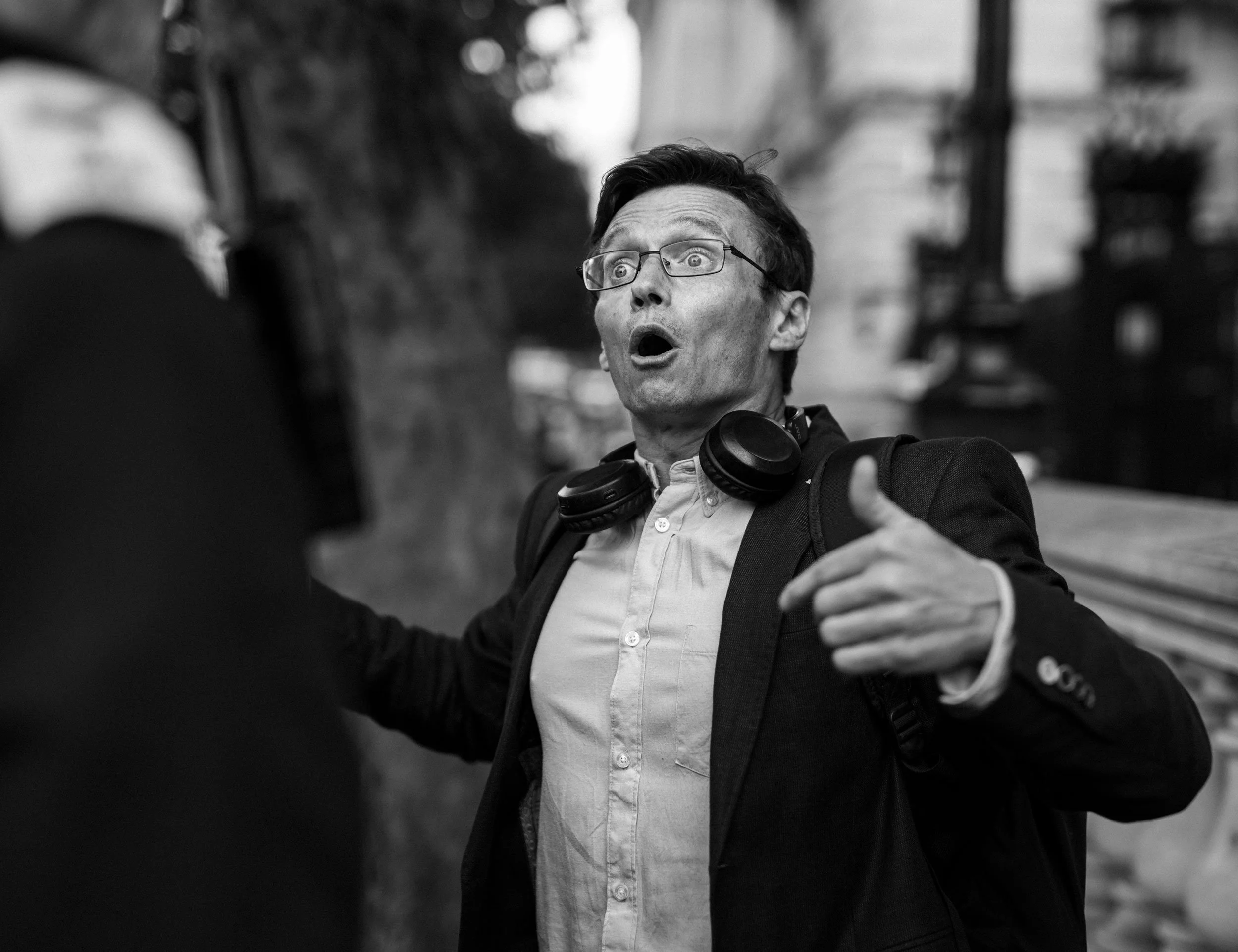
Protest then made its way up to Trafalgar Square and along the way there were several who found the protest offensive.

Nothing escalated and the whole protest itself was very peaceful


Wonderful peaceful turnout and a good message spread.