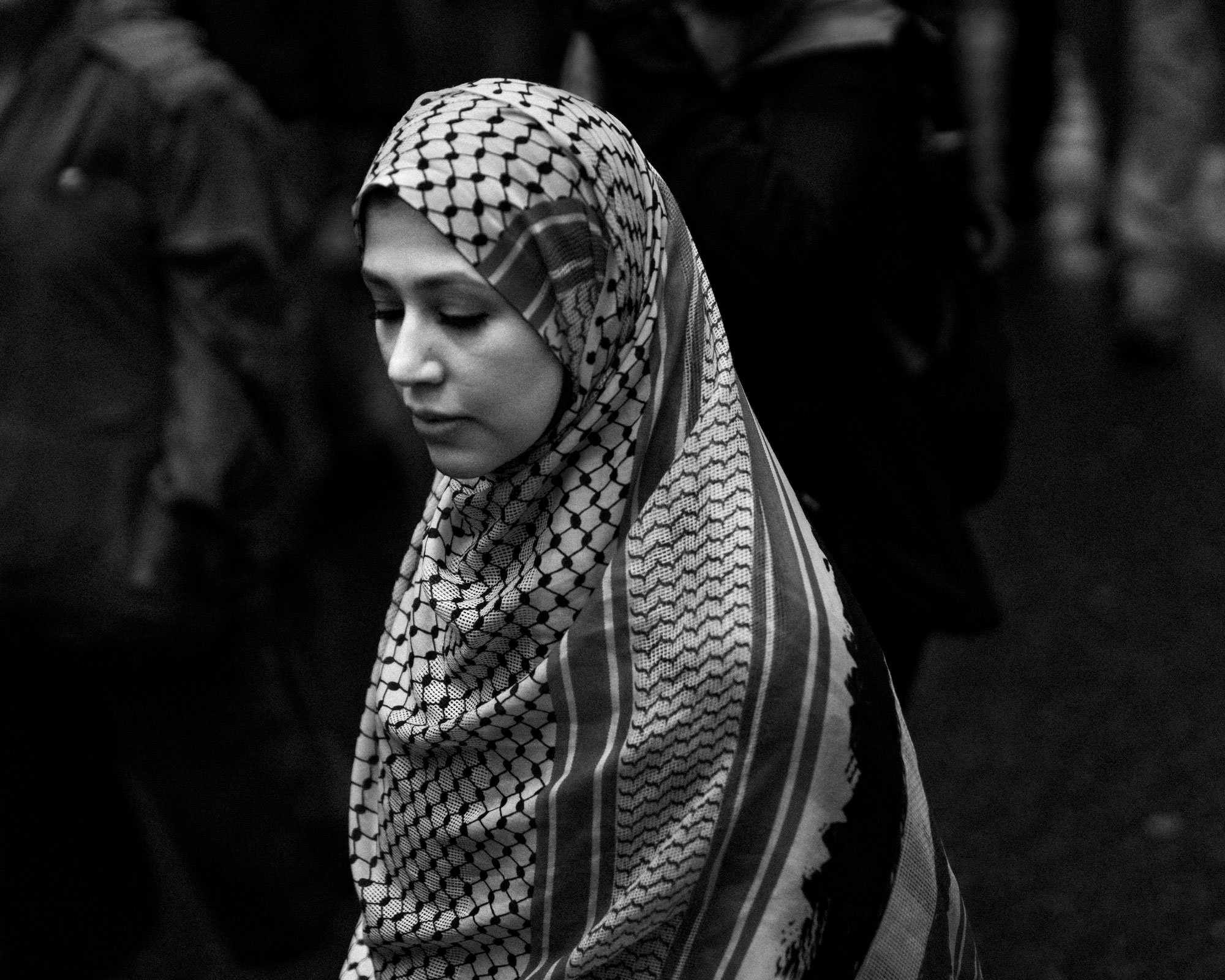
Photographing a Protest in the Rain, National March for Palestine, London – July 19
On Saturday 19th July, I joined an estimated 80,000 people in central London for the National March for Palestine. The forecast promised torrential rain, and for once, it didn’t disappoint. From the moment I stepped off the train, the sky unleashed its fury, but not even relentless downpours could drown out the voices calling for justice and an end to the suffering in Gaza.
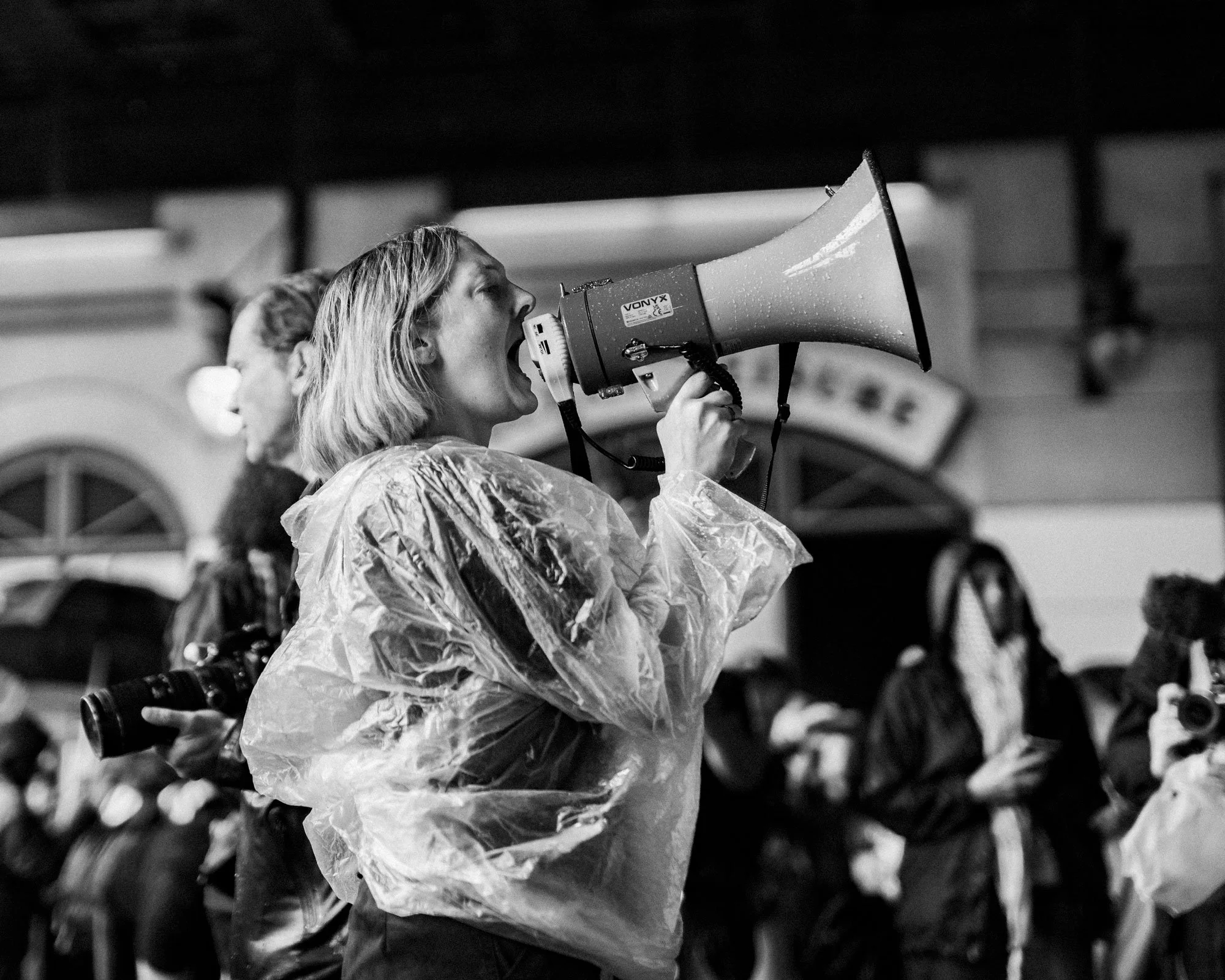
On Saturday 19th July, I joined an estimated 80,000 people in central London for the National March for Palestine. The forecast promised torrential rain, and for once, it didn’t disappoint. From the moment I stepped off the train, the sky unleashed its fury, but not even relentless downpours could drown out the voices calling for justice and an end to the suffering in Gaza.


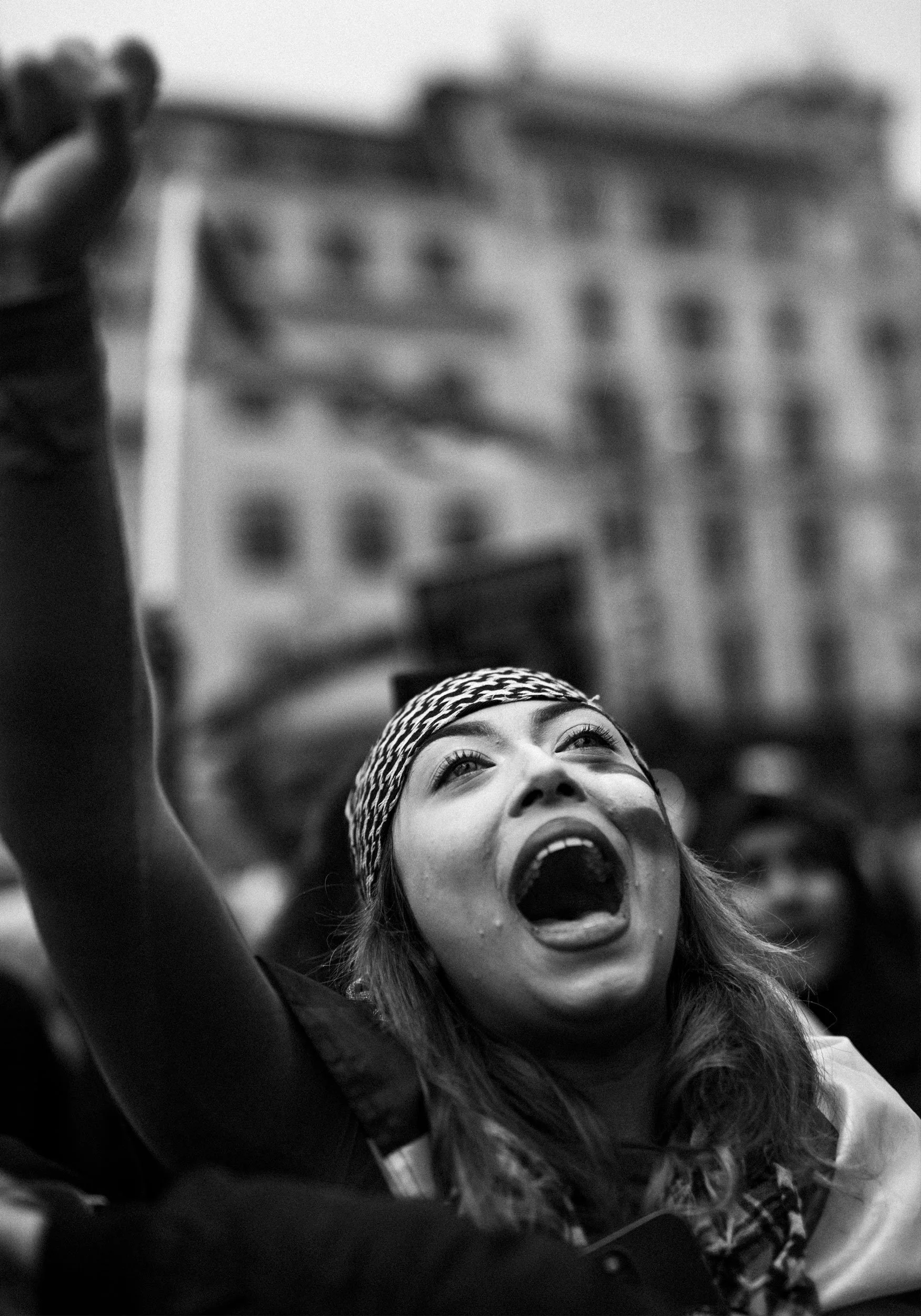
As a photographer, I’m used to adapting to whatever conditions the day throws at me, but this was another level. Sheets of rain swept across the crowd, soaking banners, placards, and people alike, but the spirit remained unshaken. What struck me most was the sheer determination. The turnout was huge, and despite the elements, there was a powerful unity in the air, diverse communities marching side by side, chanting, singing, and standing up for what they believe in.


It’s a strange and disturbing time when holding a flag or peacefully protesting for the lives of Palestinian civilians can land you on the wrong side of a political narrative. To be labelled a threat for calling for a ceasefire, for opposing the bombing of hospitals and schools, feels dystopian. I’m ashamed of my government’s complicity and even more disillusioned with a police force that seems increasingly comfortable enforcing unjust mandates. History has taught us time and time again that "just following orders" is never an acceptable defence.


That said, the protest itself was overwhelmingly peaceful, if incredibly loud. As the march moved toward Downing Street, the weather gradually turned. The sun finally made an appearance, drying drenched signs and lifting dampened spirits. The shift in weather felt symbolic, a brief moment of light after weeks of devastation and darkness being inflicted overseas.
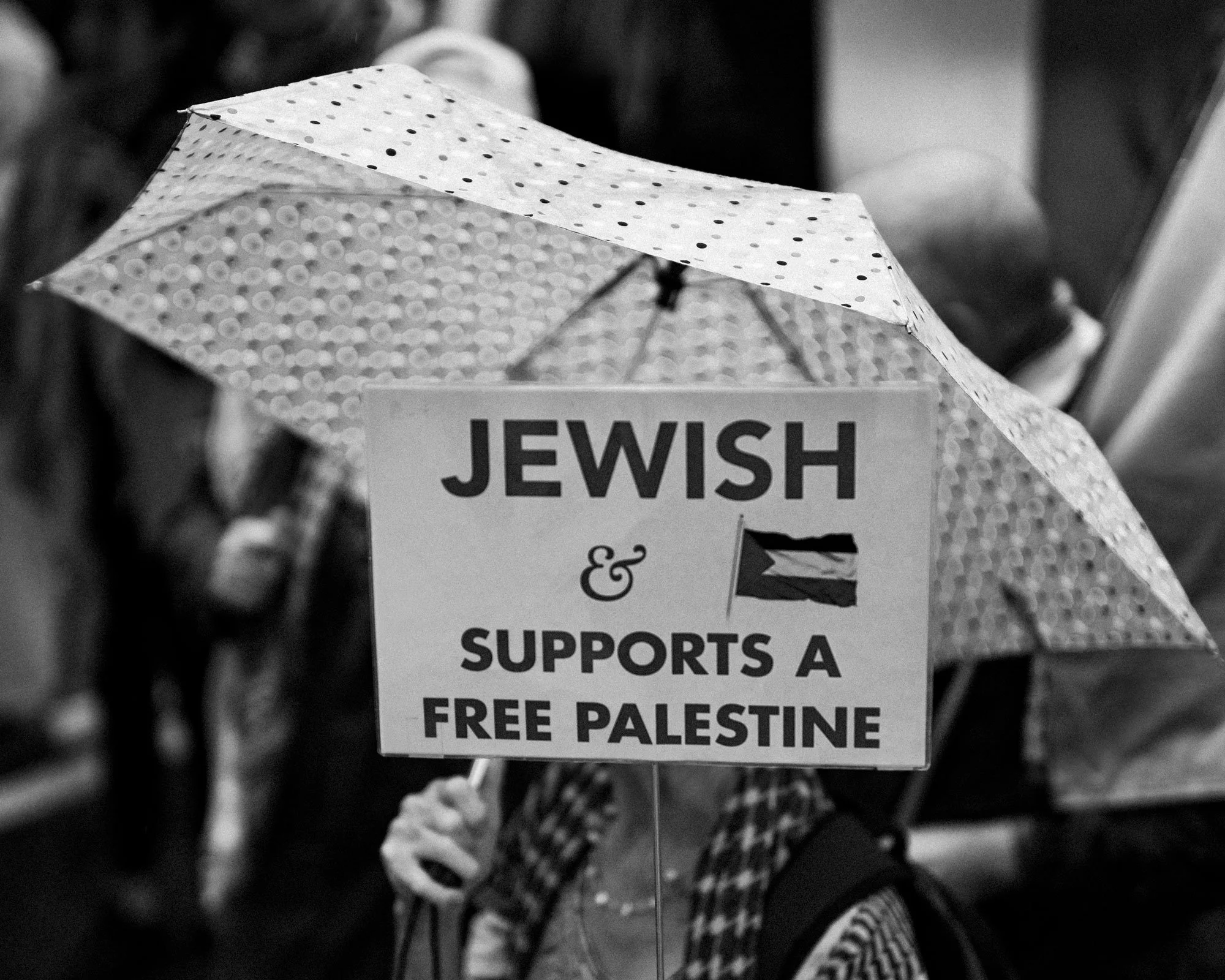

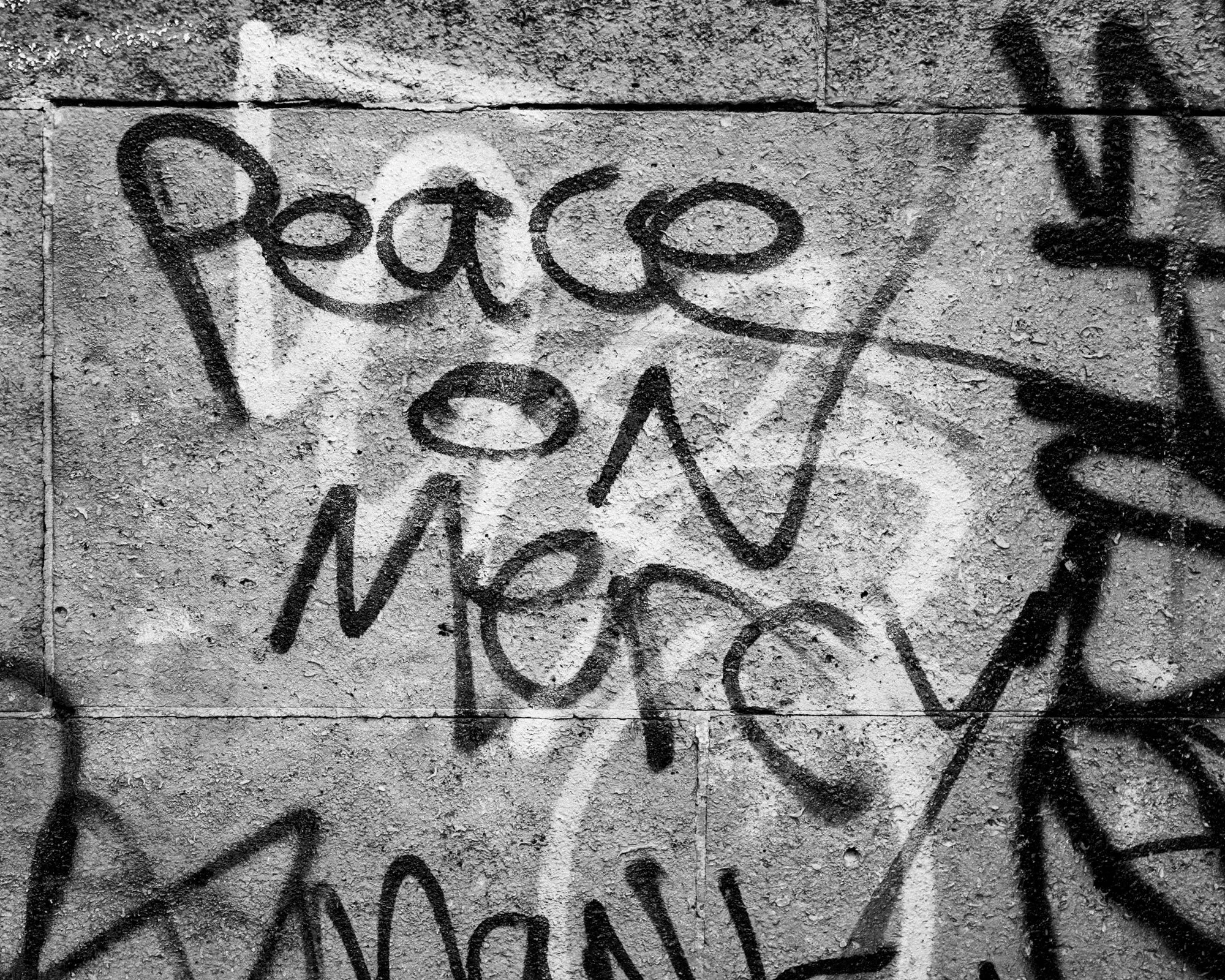
Photographing the protest, however, was a challenge. My camera, like me, wasn’t made for such wet conditions. It started acting up partway through, displaying error messages that I didn’t want to see in the middle of a massive crowd. Fearing permanent damage, I had to pack it away earlier than I would’ve liked. Thankfully, it’s since come back to life, but I can’t help but feel I missed capturing so many moments of resilience, beauty, and defiance that the day offered.


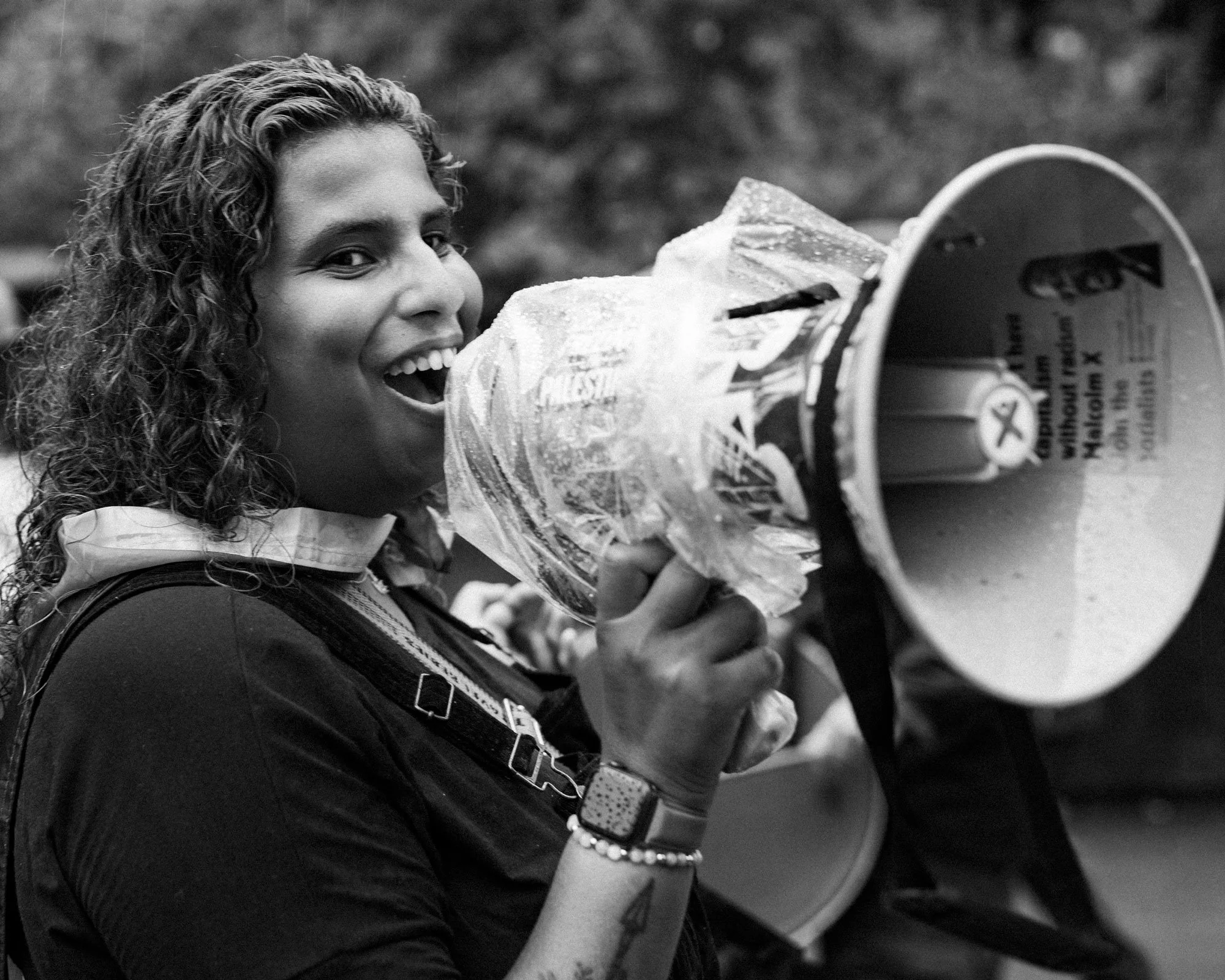
Still, what I did manage to document speaks volumes. The sea of umbrellas and the flags billowing in the wind, the drenched faces shouting for peace, it all tells a story. Not just of protest, but of people refusing to look away.
And that’s something worth photographing, rain or shine.


Escalation and Diversion
As tensions escalate in the Middle East, the spectre of a new Israeli military action against Iran is once again looming over the region. Officials in Tel Aviv cite threats from Tehran’s nuclear ambitions and regional proxies as justification for potential strikes. However, critics warn that this aggressive posturing may serve another, more cynical purpose: deflecting global scrutiny from Israel’s ongoing military campaign in Gaza.
As tensions escalate in the Middle East, the spectre of a new Israeli military action against Iran is once again looming over the region. Officials in Tel Aviv cite threats from Tehran’s nuclear ambitions and regional proxies as justification for potential strikes. However, critics warn that this aggressive posturing may serve another, more cynical purpose: deflecting global scrutiny from Israel’s ongoing military campaign in Gaza.
In recent months, Israel’s actions in Gaza have drawn increasing international condemnation. Civilian casualties have mounted, and humanitarian organizations have decried what they describe as disproportionate use of force and collective punishment. Yet, despite these concerns, meaningful accountability has remained elusive. Many observers argue that Western governments, particularly the United States and some European allies, have continued to offer near-unconditional diplomatic and military support to Israel.
Now, with headlines turning once more to Iran, a familiar pattern appears to be re-emerging. The narrative of existential threat, while not without historical context, can be a powerful tool for shifting focus. An Israeli strike on Iranian targets, whether pre-emptive or retaliatory, would dominate international news cycles, potentially side lining the human cost of the Gaza offensive.
Critics argue that the justification for such a strike often relies on contested intelligence and speculative threats. They recall how similar narratives were used to justify past military interventions in the region, many of which resulted in protracted conflicts, civilian suffering, and long-term destabilization.
This moment calls for heightened scepticism and moral clarity. It is not conspiratorial to question the motives behind sudden escalations, especially when they follow a playbook that has been used before. It is responsible citizenship. Western governments must not allow themselves to be drawn into another conflict based on partial information or political convenience. They must also hold allies accountable when international law and human rights norms are breached.
The people of Gaza and Iran alike deserve peace, dignity, and a future free from the cycles of war and retaliation. To achieve that, the world must look beyond official narratives and insist on transparency, justice, and above all, humanity.