The Decline of Thought
We don’t think anymore. We consume. We scroll. We parrot. Rarely are our ideas our own. And this isn’t a coincidence, it’s by design.
We don’t think anymore. We consume. We scroll. We parrot. Rarely are our ideas our own. And this isn’t a coincidence, it’s by design.
Smartphones and social media have become a pacifier for many adults (let alone children). Hours vanish into TikTok or Instagram, life traded for cheap dopamine hits. Meanwhile, the number of people who don’t read is at a shockingly high level. The number who don’t read at all? Criminally high.
And this suits the powerful just fine. As Pieter Vanhuysse warns:
“An electorate that has lost the capacity for long form thought will be more tribal, less rational, largely uninterested in facts or even matters of historical record, moved more by vibes than cogent argument and open to fantastical ideas. If that sounds familiar, it may be a sign of how far down the path the West has already travelled.”
Or as The New York Times bluntly put it:
“Oligarchs attempting to shape policy to their advantage will benefit from the fact that few will have the attention span to track or change policies.”
An intelligent, critical population is dangerous. It notices inequality. It questions power. It fights back. But a distracted, dopamine-chasing one? Harmless. Easy to rule.
Which brings us to politics and figures like Nigel Farage. The masters of scapegoat politics. They point you “over there”: at immigrants, at trans people, at the poor. Never at the yacht-owning oligarchs, the billionaires, the real architects of inequality. A person in a dinghy is not your problem. The person in a £1bn yacht is. Immigrants didn't privatise British Gas, water, electric, rail, mail or telecoms. They didn't cut council funding or fill our seas with sewerage so that shareholders can get a bigger sum in their pockets. And they aren't the ones trying to now privatise the NHS, and when that's gone, well, just look at America to see the horrific outcomes of a private healthcare system.
And yet, while we argue among ourselves, trade insults on social media, flick through reels, and forget to read, the powerful get stronger. The cycle tightens.
Smartphones and social media aren’t just neutral tools anymore. They’ve become a cancer, eating away at thought, reason, community. And unless we break the cycle, we’ll keep stumbling further into tribalism, distraction, and decay.
So please, Read more. Think more. Play more. Create more. Stop trading your life for digital dopamine. Imagine what you could do with that time and a little effort. I removed myself from almost all social media platforms at the end of 2024. I have rejoined Instagram but with strict controls (a 20 minute timer then it's off) It has been a revolution in my life. I am easily addicted to things, so a cheap dopamine hit on me was too easy for the algorithms.
The decline of thought is not inevitable. But it will take intention to fight it. And fight it we must.
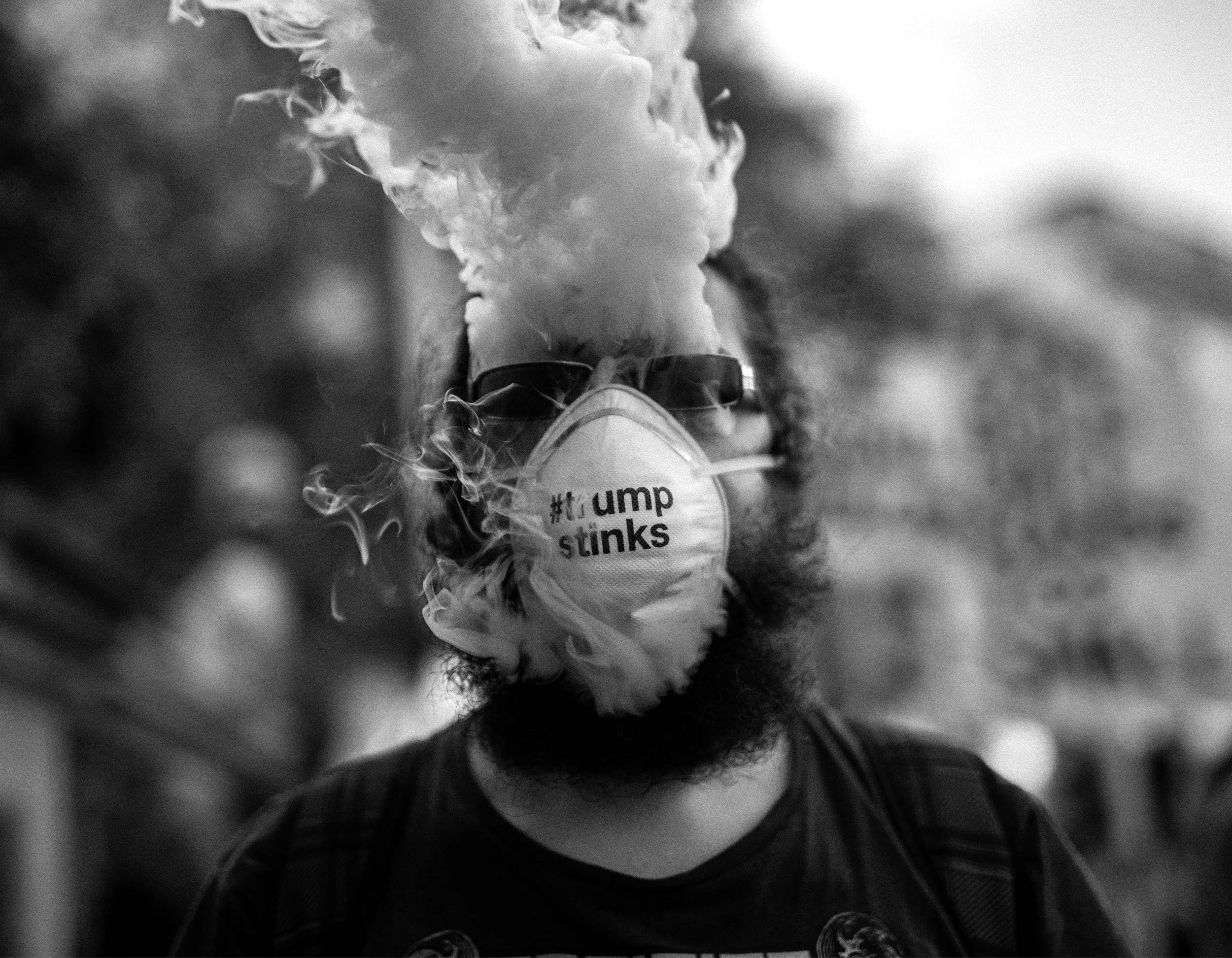
The Politics of Scapegoating
Politics has always had a flair for distraction. When the walls start closing in and the public begins to ask difficult questions, like why schools are underfunded, why hospitals are overcrowded, or why wages stagnate while the cost of living soars, the political elite reach for their oldest trick in the book: scapegoating.

Politics has always had a flair for distraction. When the walls start closing in and the public begins to ask difficult questions, like why schools are underfunded, why hospitals are overcrowded, or why wages stagnate while the cost of living soars, the political elite reach for their oldest trick in the book: scapegoating.
“Look over there,” they cry. “It’s them, they're the problem!” In the past, it was Communists, Black people, Indian people, Gay people. Now, the spotlight of blame shines on trans people, Muslims, and immigrants. The targets shift, but the playbook stays the same.
Why? Because scapegoating works, until people start seeing through it.
Let’s call it what it is: a con. While we're busy arguing about bathrooms, borders, and headscarves, politicians are quietly dismantling the public sector and selling off what’s left to the highest bidder.
They strip public assets, schools, hospitals, postal services, and funnel the proceeds into the pockets of the already wealthy. These are not the actions of responsible leaders trying to manage a struggling economy. These are the actions of public thieves.
Take Nigel Farage, for instance. He blames immigrants for everything from housing shortages to the NHS crisis. “We can’t afford it anymore,” he says, referring to one of the UK’s most cherished institutions.
But let’s be clear: we absolutely can afford the NHS.
Does it need reform? Perhaps. Should experts be involved in making it better? Absolutely. But what Farage and those like him really want is to privatise it. Not to fix it, but to monetise it—to let pharmaceutical giants and private insurance companies carve it up and feast on its remains.
And who pays the price? You do.
Your taxes won't go down. Your services will.
Instead of receiving care through a publicly funded system, you’ll be forced to buy insurance policies, like millions of Americans who face medical bankruptcy for the crime of getting sick.
The truth is uncomfortable but unavoidable: Islam is not the problem. Immigrants are not the problem. Trans people are not the problem. Greed is the problem.
And those who weaponise that greed, the politicians, lobbyists, media moguls, and corporate donors, are the ones pulling the strings.
They take positions of power not to serve the public, but to enrich themselves, using fear and division as tools to keep us distracted. They invent enemies so we don't notice the real one: a system that’s being rigged in real time against the people it’s meant to serve.

More and more of us are waking up. We see through the scapegoating. We understand that every time a politician points a finger at a vulnerable group, we should ask: What are they trying to hide?
We must stop falling for the bait. Stop letting ourselves be distracted by lies that pit us against one another. Start demanding accountability, transparency, and policies that serve the many, not just the few. Because when we finally look past the scapegoats, we’ll see the truth staring right at us:
The problem isn't over there. It's at the top.